

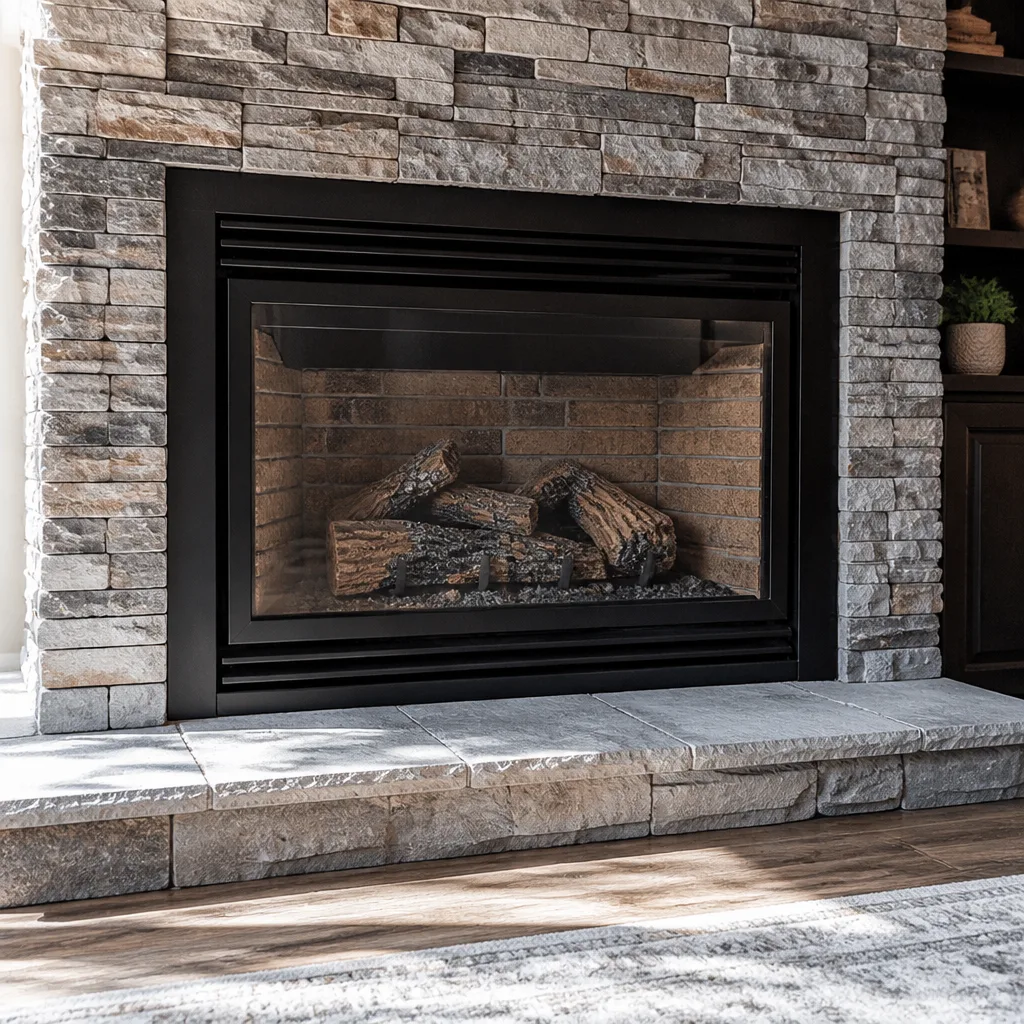
 Gas fireplace service
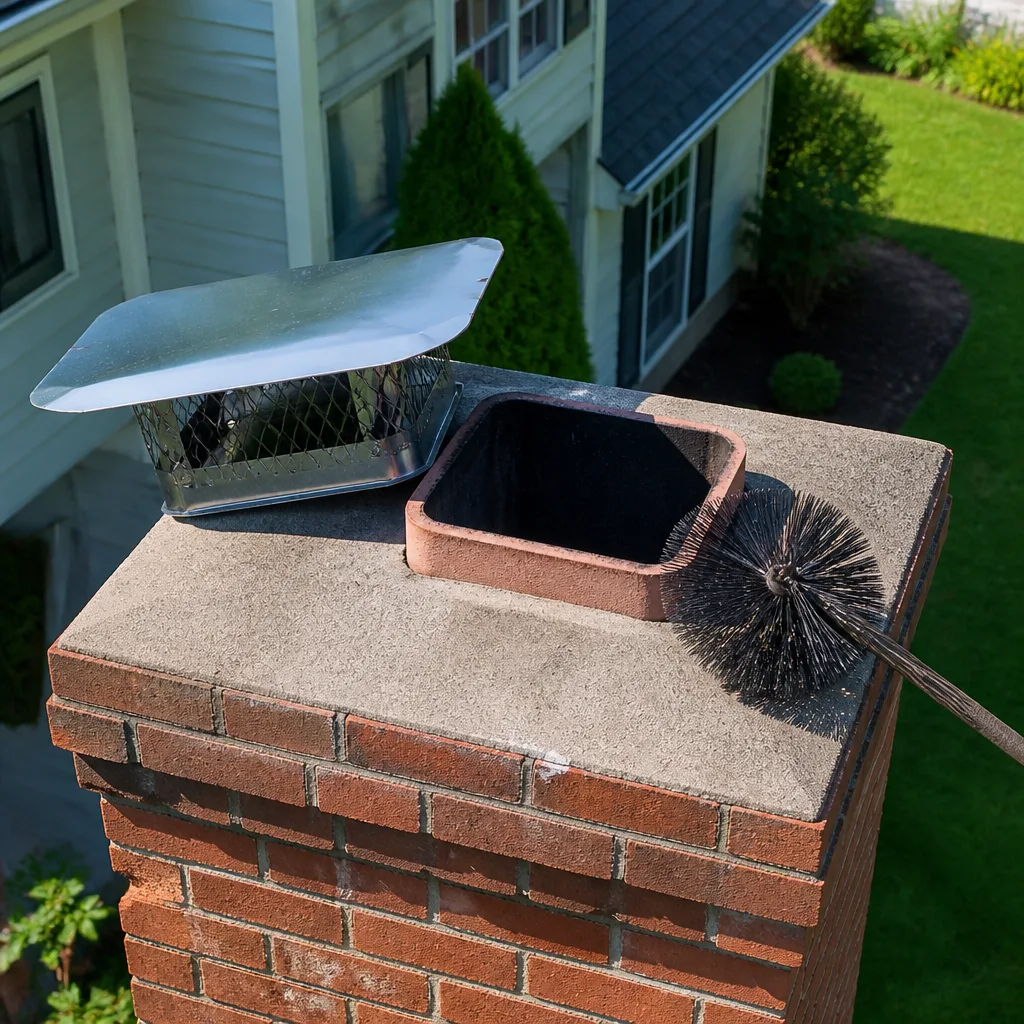 Sweep & inspection
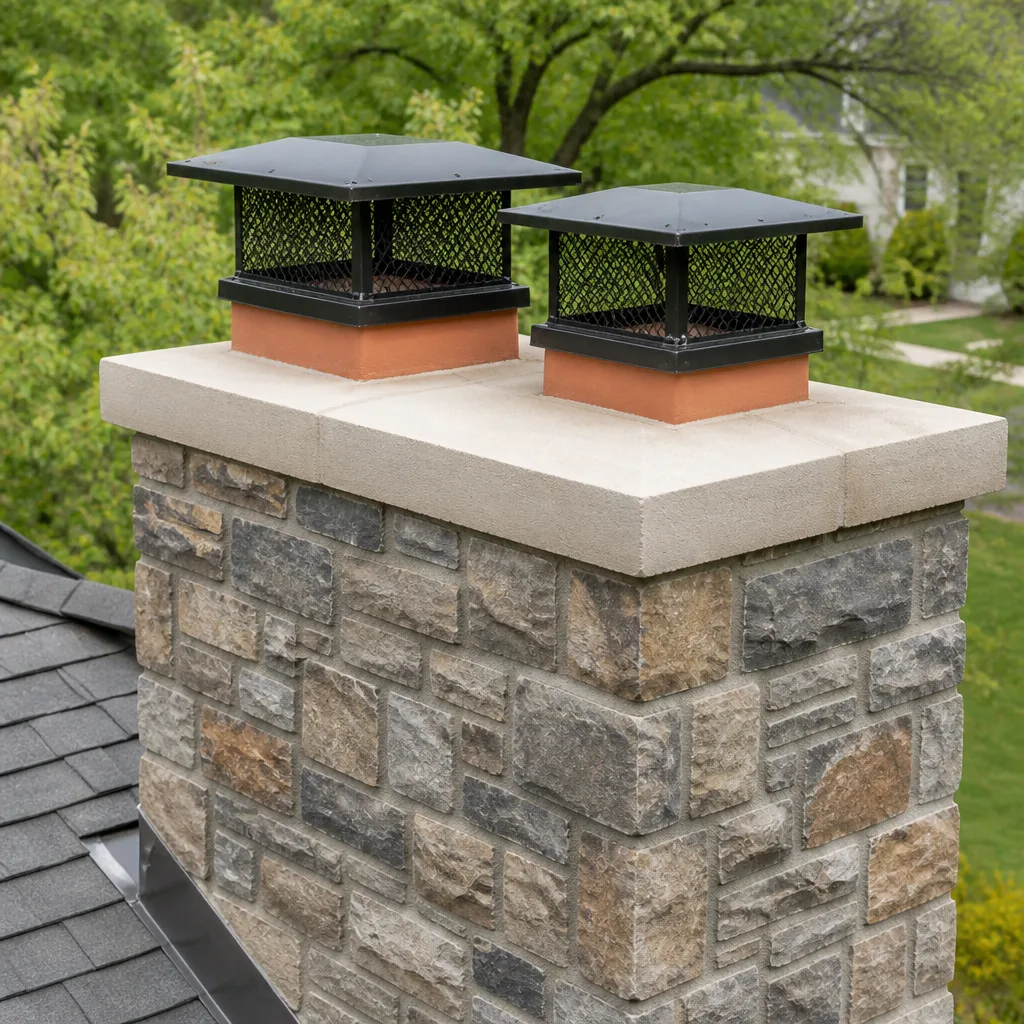 Caps & crowns
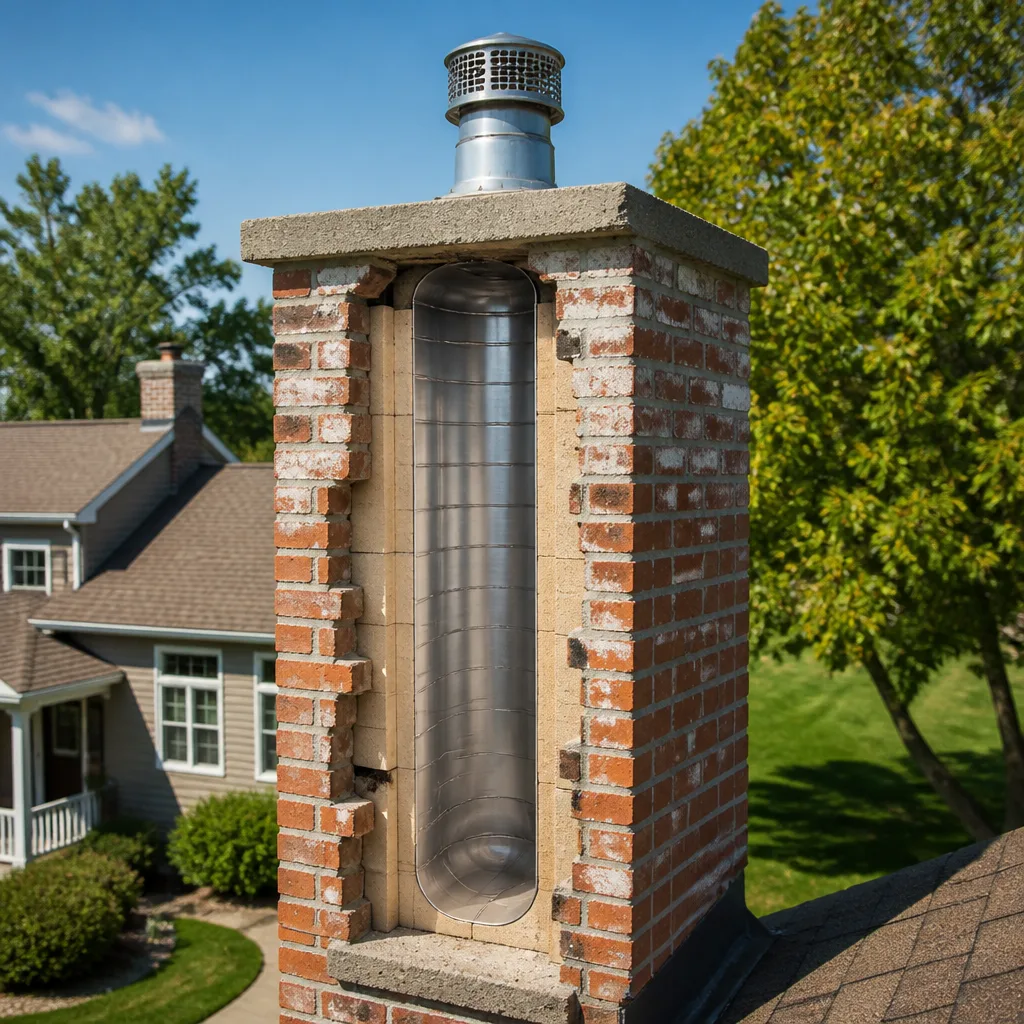 Flue relining
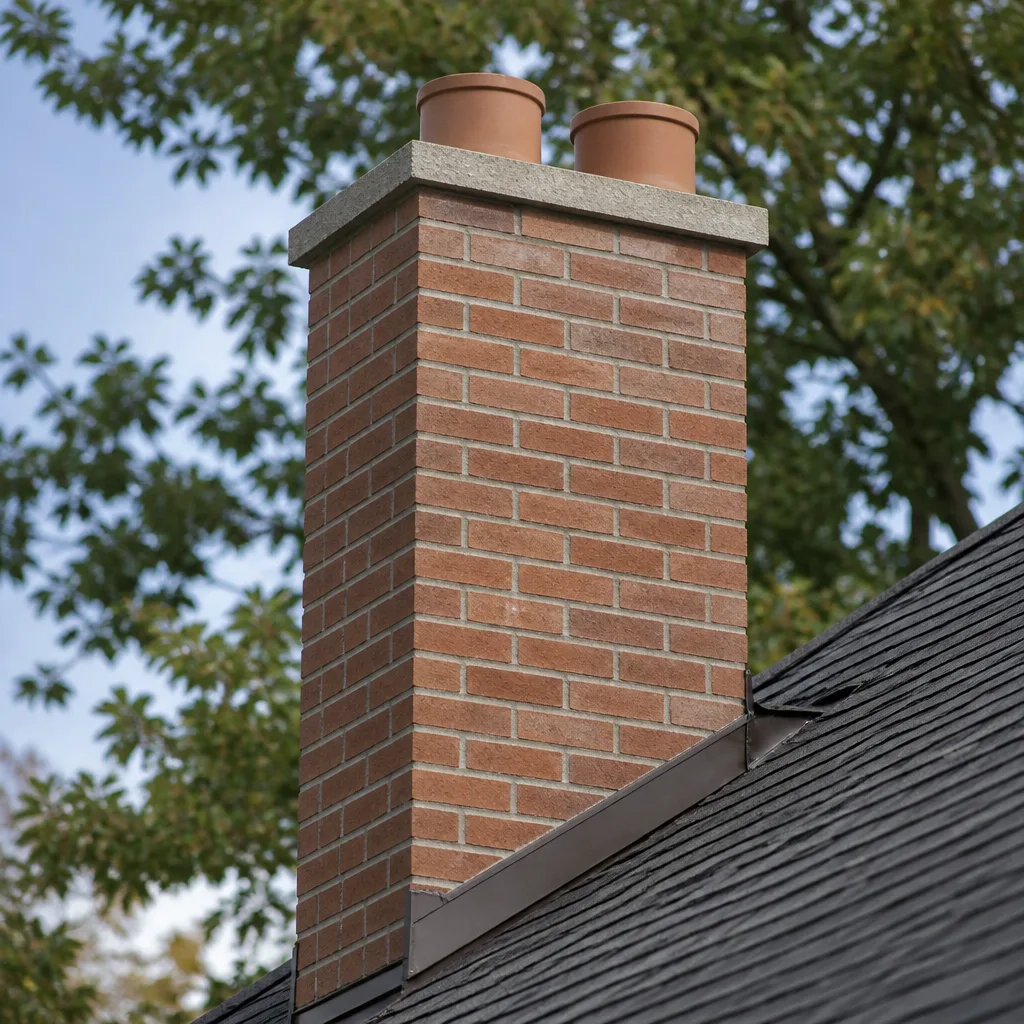 Masonry repair
Level 1 sweep and inspection to the NFPA 211 annual standard - flue, crown, cap, and flashing checked and photographed
Chimney sweep logs do not sweep chimneys. They loosen some creosote - which then falls where a brush and vacuum still have to collect it.
Why Provo Homeowners Choose HeatShield Chimney Cleaning
We provide independent HeatShield chimney cleaning and repair service in Provo, and we’re not affiliated with or authorized by the manufacturer. What sets our work apart is that we treat HeatShield coatings as a system to be diagnosed and restored, not a surface to be scrubbed and forgotten. Our technicians have up to 15 years of experience, we clean, inspect, and repair in a single visit, and we use HeatShield resurfacing materials – not generic patching compounds – when a flue needs rebuilding. Call (855) 340-2065. We answer 24/7. Fast dispatch from 7am to 7pm, Sunday through Friday.
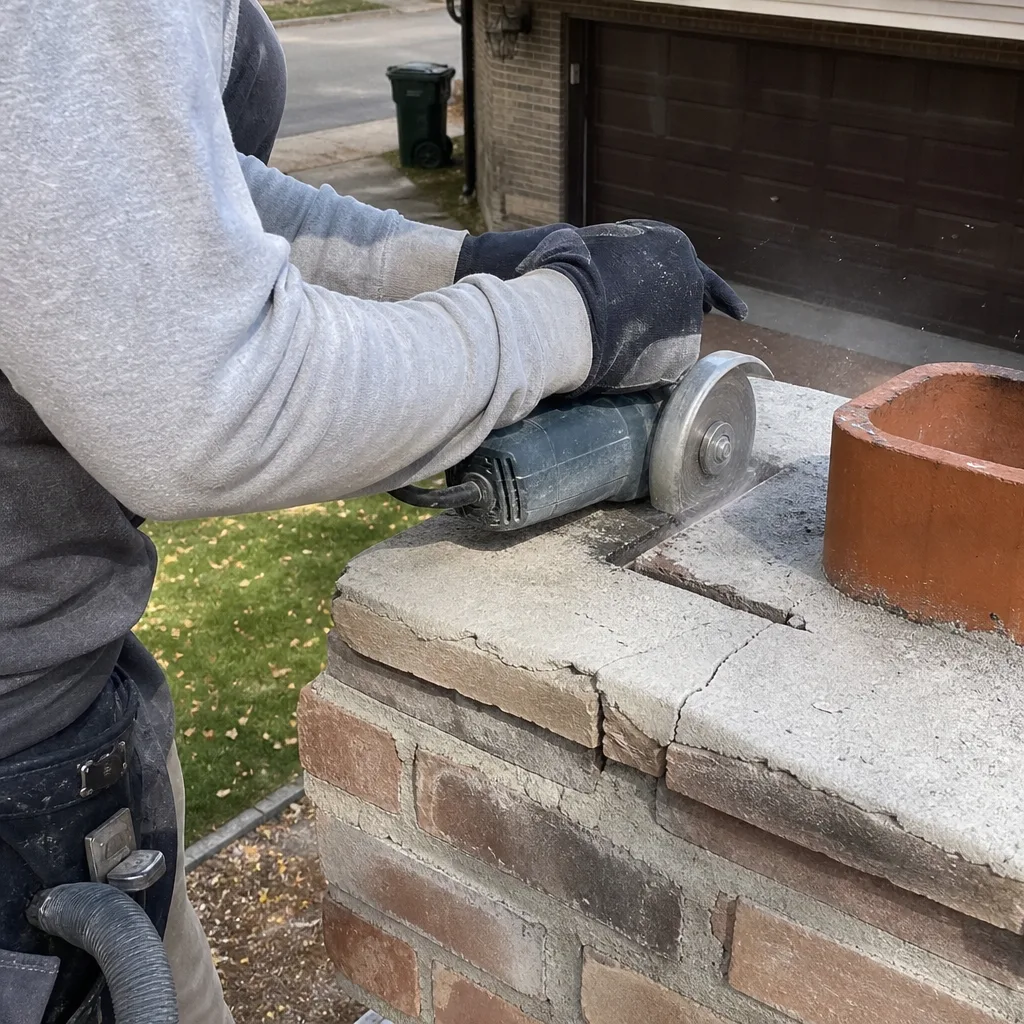
Provo has its own way of wearing a flue down. Utah Valley’s winter inversions trap cold air against the Wasatch Front, and burning habits shift with the air-quality advisories that come with them. Intermittent supplemental burning builds heavy creosote, and the dry climate’s freeze-thaw swings crack masonry crowns and flue tile. HeatShield systems take all of that in a way a bare clay liner never had to. Understanding how the coating behaves under those conditions is the whole job.
Why Trust Chimney Sweep Provo for Your HeatShield Chimney Cleaning?
HeatShield coatings fail in specific ways, and each failure points to a different fix. A technician who has only swept flues tends to read a flaking patch as heavy soot. We read it for what it usually is: a moisture problem working from behind the coating out. That difference in diagnosis decides whether a flue gets cleaned and left alone or cleaned and resurfaced.
Our familiarity runs across the HeatShield families – Cerfractory Flue Sealant, the Resurfacing System, Insulated Liners, and Crown Coat – and each one has its own tolerances. We use quality parts that fit HeatShield equipment and follow practices that keep an existing HeatShield installation warranty-safe: no harsh rotary tooling against a resurfaced flue, no acid cleaners that attack the coating, and no assumptions about adhesion without looking first. Where a repair is made, we use OEM HeatShield components whenever they’re available, so the system’s parts stay matched to the system. When OEM parts are discontinued or priced out of reason, we’ll tell you plainly and recommend a quality alternative rather than improvise.
That’s the core of what we’re known for in Provo: unbiased, brand-specific knowledge, applied by technicians who can clean, inspect, and repair without sending you to a second contractor.
Styles & brands we work with
- Sweep & inspection
- Caps & crowns
- Flue relining
- Masonry repair
- Gas fireplace service
Common HeatShield Chimney Cleaning Problems We Fix in Provo
These are the patterns we find most often in HeatShield-lined chimneys around Provo. None of them are random. Each traces back to moisture, heat cycling, or burning habits that our climate makes easy to slip into.
- Cerfractory coating cracking and spalling. Freeze-thaw cycles push trapped moisture against the coating, and it flakes away in thin sheets. Once it spalls, the rough surface grabs creosote in patches that a brush can’t reach evenly. This is the most common HeatShield failure we see in Provo, and it’s why waterproofing matters as much as the resurfacing itself.
- Delamination from the original flue tiles. A resurfaced flue depends on adhesion between the coating and the substrate. Poor initial prep leaves a weak bond, and thermal shock from fast, hot fires over cold masonry pries it loose. You’ll notice a hollow sound when tapped or visible separation at a seam. Left alone, it becomes a path for gases to bypass the flue.
- Insulation breakdown in insulated liners. When the insulation loses its integrity, the flue cools faster and flue gases condense sooner. That means wetter creosote reaching the top of the chimney, which builds faster and is harder to sweep than dry soot. A liner that once ran clean can start glazing within a couple of seasons.
- Crown Coat deterioration letting water in. A failing Crown Coat lets water pool at the top of the flue. From there it works down into the HeatShield system and starts the damage cycle underneath – coating, insulation, masonry, in that order. Provo’s dry summers and wet spring thaws accelerate it.
- Creosote trapped in cracks and fissures. Once creosote gets into the texture of a damaged coating, brushing removes the surface layer only. The material deeper in the cracks stays, holds heat, and adds to the risk.
Here’s how a typical HeatShield job usually goes in a home like this. A homeowner notices crumbling debris in the firebox and drafts that don’t pull the way they used to. Inspection finds the Cerfractory coating cracked and flaking from years of thermal cycling and moisture exposure, with creosote packed into the cracks. A qualified technician removes the creosote, cleans the flue thoroughly, and applies a new HeatShield resurfacing layer to restore a smooth, safe flue – then waterproofs the masonry to keep the same thing from happening again.
Why the Provo Season Makes This Worse
Burn-ban days under Utah’s inversion program cut against the way a lot of Provo homes actually heat. Wood is a supplement, so fires get burned in bursts – a cold night, a few days off during an alert, then a heavy reload. Wet or softwood burned that way builds glazed creosote fast. Then the first clear day brings a call for a sweep. That’s exactly the moment when a HeatShield flue needs to be inspected under the coating as well as in it, because glazed creosote forms best on a cool, moisture-soaked surface. In Provo’s older downtown brick homes, we routinely find cracked clay tile behind a HeatShield layer that needs addressing before it’s safe to burn again.
HeatShield Parts & Our Repair-vs-Replace Approach
The choice between repair and replacement comes down to how much of the HeatShield system is still doing its job. A coating that’s failing in one section, with sound substrate behind it, is repairable. A coating that’s delaminating across the full flue, or an insulated liner whose insulation is gone, is usually a replacement conversation.
We diagnose with a Level 2 Inspection first. A camera run through the flue shows what the surface looks like, where moisture is getting in, and how the joints are holding – and you see the same images we do, before any recommendation is made.
For repairs, we use OEM HeatShield components whenever available to keep the system matched and intact. If a part is discontinued or the cost of OEM puts repair past the value of replacement, we’ll say so and lay out the alternatives honestly, including whether a different liner system is the smarter investment for your chimney. Nothing gets recommended without evidence you can look at. And when the right answer is “this can wait until after the burning season,” we’ll tell you that too.
Call (855) 340-2065 to book an inspection and see where your HeatShield system stands.
Our HeatShield Service Process – Step by Step
- 1
Diagnosis. A Level 2 Inspection with camera documentation, checking the HeatShield coating for adhesion, cracking, and spalling, and inspecting the crown, cap, and masonry for water intrusion. We also look at your burning history – what wood, how often, how it lines up with local air-quality advisories – because that shapes what we find inside.
- 2
Repair or resurfacing. Creosote removal first, down to bare substrate where a new layer will go. Then the HeatShield Resurfacing System or Cerfractory Flue Sealant is applied in the correct sequence, with cure time respected before any fire is lit. For insulated liners, we assess whether the insulation can be restored or whether replacement is the safer path.
- 3
Testing. A draft check at the appliance and a smoke or visual verification of the full flue, plus a check that the cap and crown are weather-tight. If the Crown Coat was recoated or repaired, we verify drainage before we leave.
- 4
Warranty-safe handoff. You get the inspection photos and a written summary of what was found, repaired, or watched. We flag any maintenance requirement specific to HeatShield coatings – no harsh chemical cleaners, no rotary tooling against a resurfaced surface – so future service doesn’t undo the repair.
See the difference
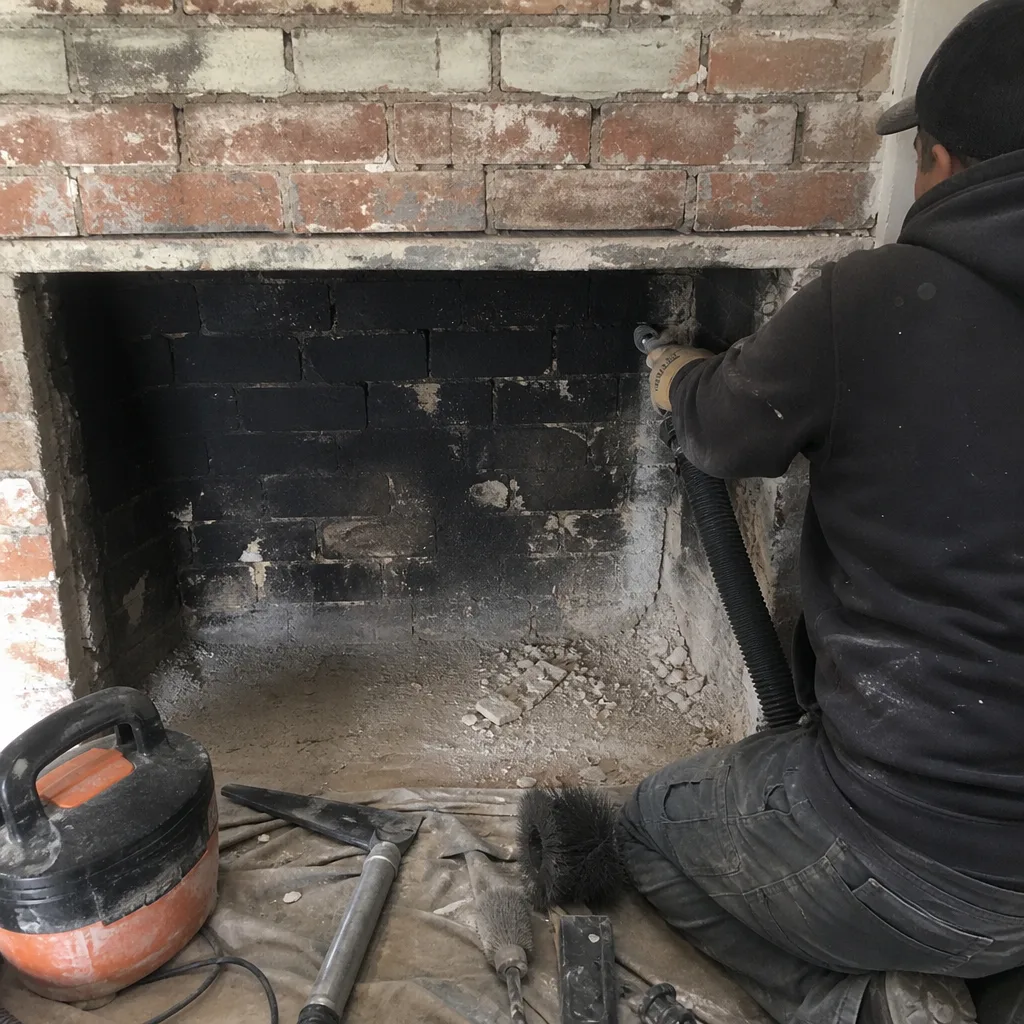 Before
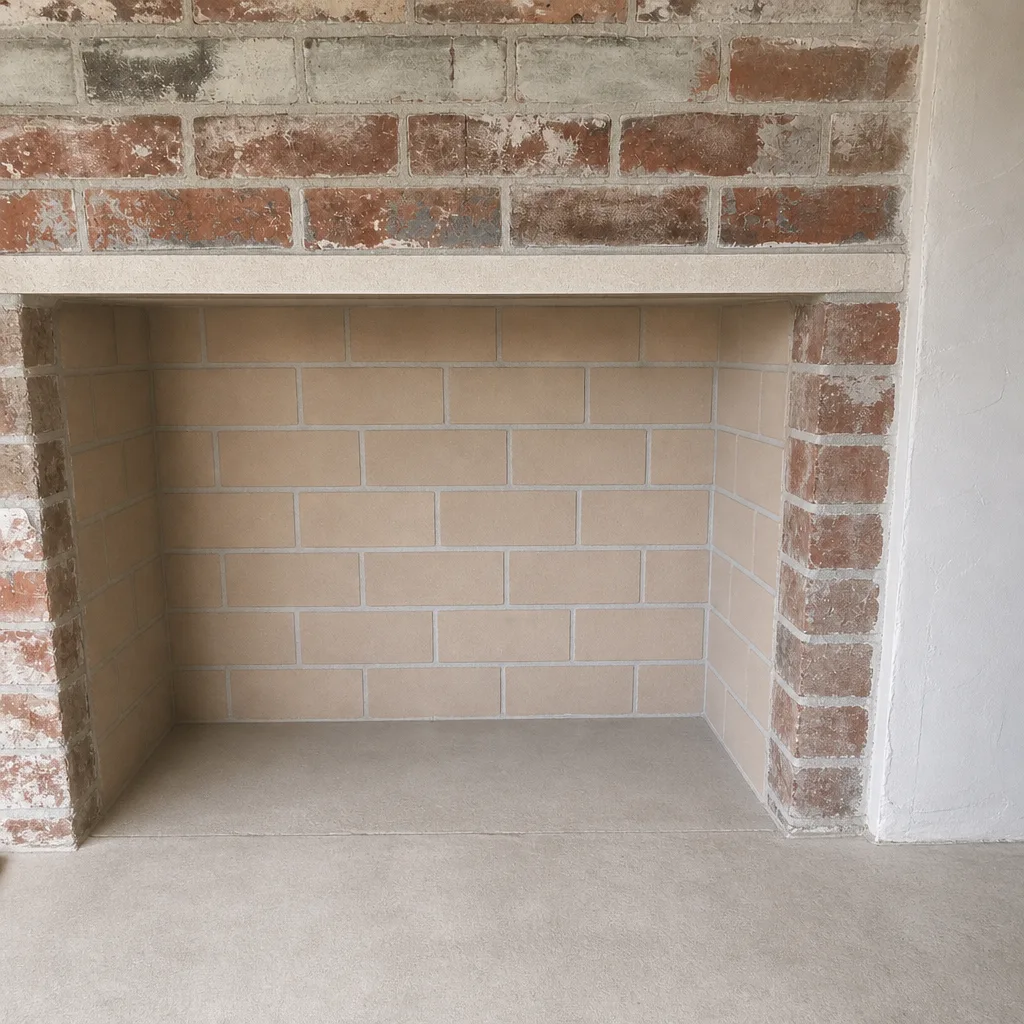 After
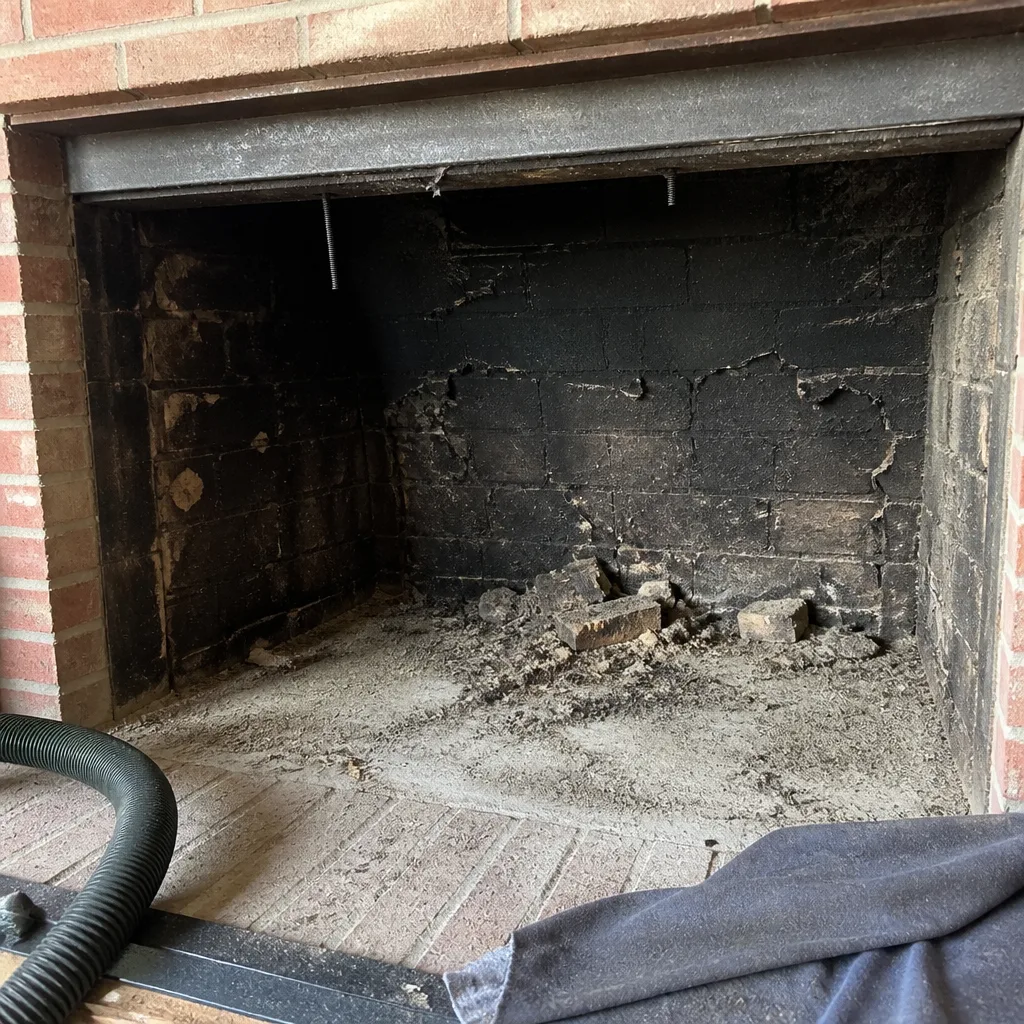 Before
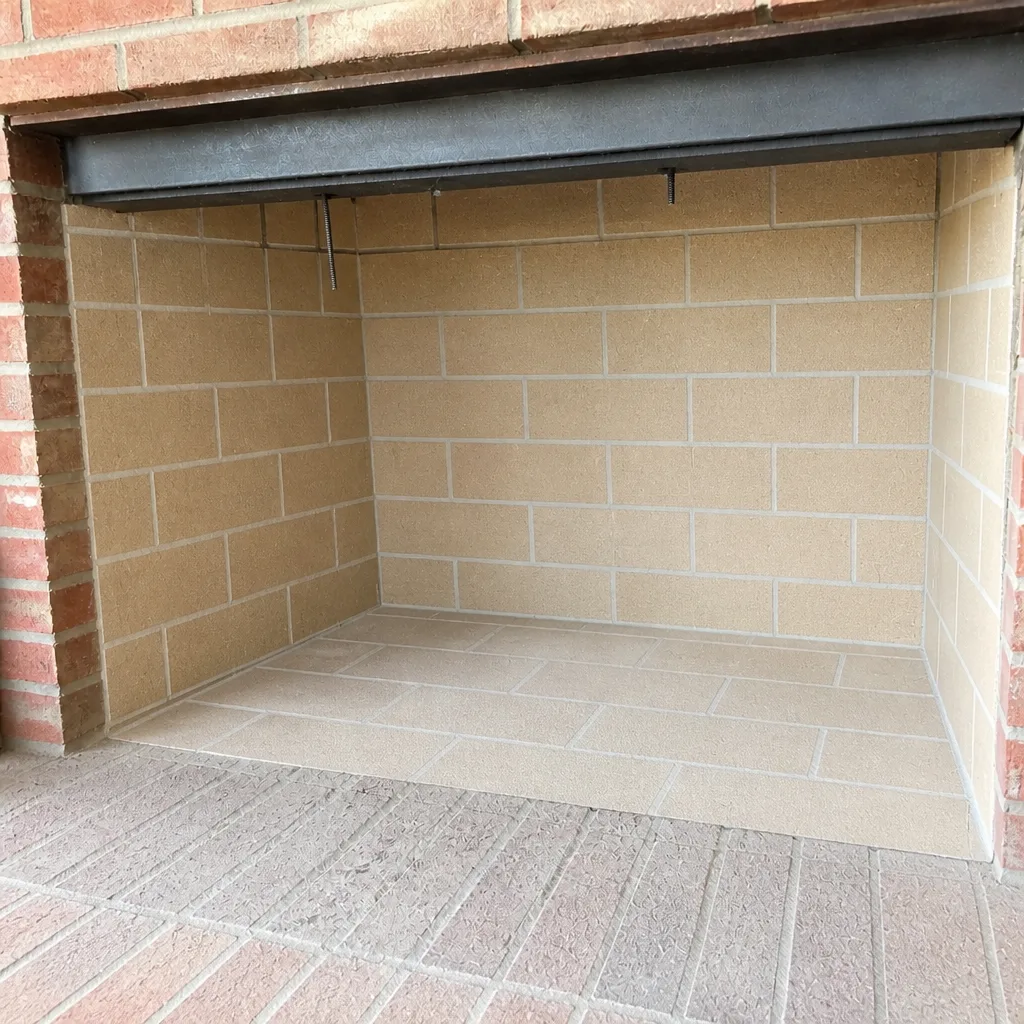 After
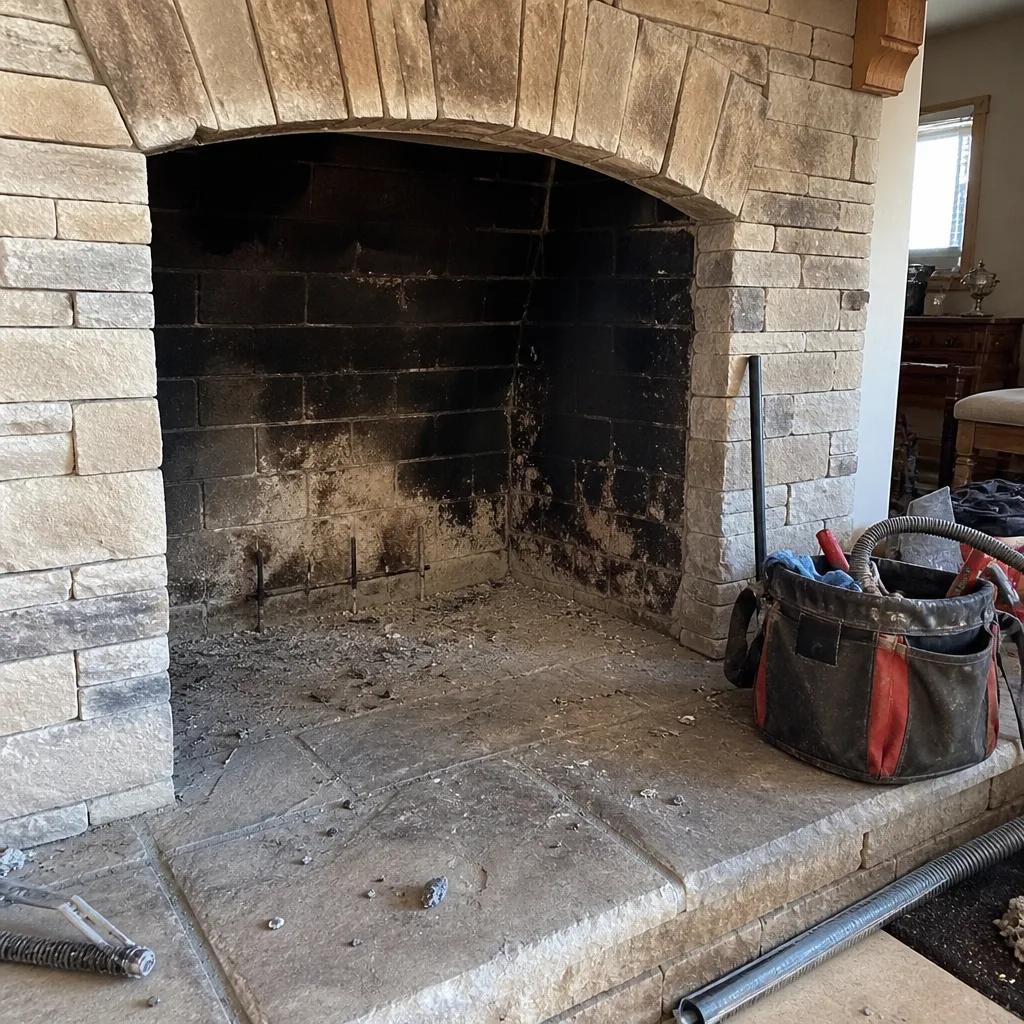 Before
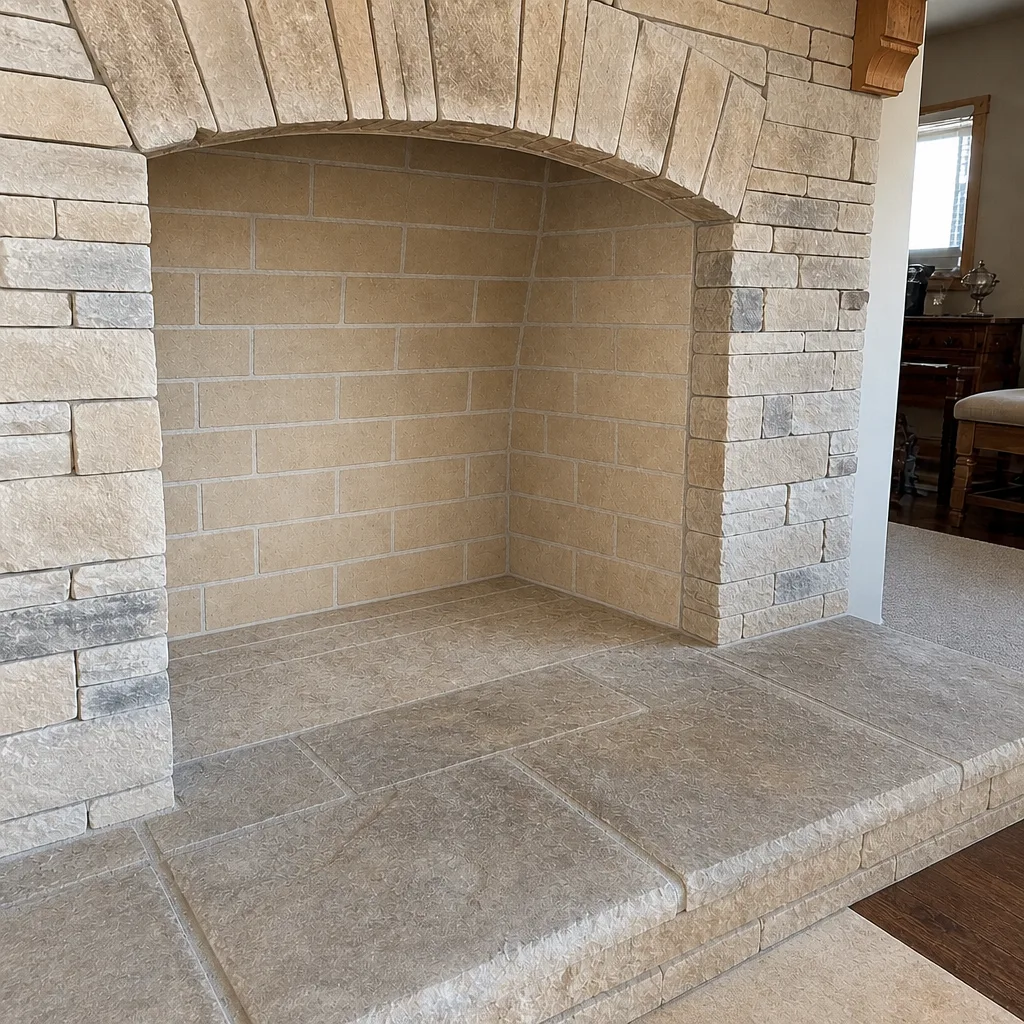 After
HeatShield Products We Service & Install in Provo
We service and install the four HeatShield product families a Provo chimney is most likely to have in it. The Cerfractory Flue Sealant is the resurfacing layer that goes onto damaged flue tile to restore a smooth interior, and it’s usually the first part of a repair we assess. The Resurfacing System is what brings a heavily deteriorated flue back to a working surface. HeatShield Insulated Liners get inspected for insulation integrity and cleaned with brush methods that won’t damage the liner wall. HeatShield Crown Coat is the crown-side barrier that keeps water out, and we evaluate it on every inspection because its condition determines how long a repair lasts. We don’t claim to stock any of this. What we do is diagnose, clean, repair, and waterproof the system as a whole.
We Also Service These Brands
HeatShield is one system in a broader toolkit. We work across a roster of professional-grade brands, which means we aren’t locked into any single brand’s answer to a problem. DuraFlex stainless-steel liner systems cover flue relining for chimneys whose HeatShield layer can’t be saved. Gelco caps and venting components handle exterior terminations and keep weather and animals out of a flue we’ve just repaired. If your HeatShield system has reached the end of its service life, we can walk you through a reline without sending you to a separate contractor.
FAQs – HeatShield Chimney Cleaning Service in Provo
No. We’re an independent HeatShield service provider and we have no affiliation with or authorization from the manufacturer. That independence is deliberate. We don’t answer to a brand when we advise on repair or replacement, and we can tell you honestly when a different liner system is the better investment for your chimney. We work with HeatShield products because we know how they fail and how to restore them, not because the brand sent us.
Yes. For repairs, we use OEM HeatShield components whenever they’re available, so the system stays matched and intact. When an OEM part is discontinued or its cost makes repair unreasonable, we’ll recommend a quality aftermarket alternative and explain why, rather than install whatever is closest to hand. Every part decision is documented in your written summary. Call (855) 340-2065 if you have a specific HeatShield product and want to know what we’d use.
Most HeatShield cleaning and inspection visits fit into a single visit of a few hours. Resurfacing work is longer, because the flue has to be cleaned down to bare substrate, the coating applied in the correct sequence, and cure time respected before the chimney can be used again. We set the timeline in the written estimate before any work begins, so you know what you’re planning around. Book a visit by calling (855) 340-2065.
We service and install the HeatShield Cerfractory Flue Sealant, the Resurfacing System, HeatShield Insulated Liners, and HeatShield Crown Coat. That covers the resurfacing side of the system and the crown side, which matters because the two fail together. If water is getting past a failing Crown Coat, the coating underneath starts failing next, and a repair that ignores the crown rarely holds. Call us to find out which of these your chimney actually has.
A properly done cleaning shouldn’t. The risk to a HeatShield system comes from the wrong methods: harsh acid cleaners that attack the coating, rotary tooling driven against a resurfaced surface, or pressure washing that forces water into the masonry. We follow methods that respect the coating and document what was done, which is exactly what a warranty claim would need. We can’t speak on HeatShield’s behalf or promise an outcome on your warranty, so keep your installation paperwork. For an exact quote on HeatShield-appropriate cleaning, call (855) 340-2065 – estimates are free.
We don’t quote a price on this page because it depends on the flue and the coating condition. What we can tell you is how it’s set: a free inspection, a written estimate per job, and the written estimate is the final price – no surprises added later. Cleaning and inspection typically sit well below resurfacing work, and the inspection is what tells us which you’re facing. Call (855) 340-2065 for an exact quote – estimates are free.
Cerfractory is a resurfacing material applied to the flue interior, while a clay tile liner is a stacked ring of tile joints the length of the chimney. The tile joints are the weak points – they shift, crack, and let gases escape – and Cerfractory seals over that interior to restore a smooth surface. It should be resurfaced when cracking, spalling, or flaking shows up, or when a camera inspection finds creosote packed into fissures. In Provo, moisture intrusion is often the trigger. Call (855) 340-2065 to find out whether your flue is a resurfacing case or something else.
Standard poly brushes are generally safe on a HeatShield surface, but metal brushes and rotary tooling driven hard against a coating can abrade it. The bigger risk is cleaning a coating that’s already delaminating – brushing it can lift more of the surface. That’s why we inspect before we sweep a HeatShield flue rather than after. If the coating is failing, we’ll talk about repair first. Call (855) 340-2065 to book an inspection and sweep together.
The main signs are a draft that feels weak or cold, a flue that runs wetter than it used to, and creosote building faster than your burning habits would suggest. It affects creosote because a failed insulation layer lets flue gases cool sooner, and cooler gases condense into wetter, stickier creosote that clings to the liner wall. A liner that once ran clean can start glazing within a season or two. For a camera inspection of your liner insulation, call (855) 340-2065 – estimates are free.
It’s formulated for masonry crowns, but whether it’s the right choice for your crown depends on the crown’s condition – a badly cracked crown often needs rebuilding before any coating goes on. Provo’s climate works against it both ways. Dry summer heat cures and hardens the masonry, and freeze-thaw cycles in winter open hairline cracks. Wet spring thaws then push water into those cracks and pool it at the crown. Coating a crown in poor condition just traps that water underneath. Call (855) 340-2065 to have your crown assessed properly.
Replacement becomes the smarter call when the coating is delaminating across the full flue rather than in sections, when the original tile behind it is failing, or when an insulated liner’s insulation is gone. In those cases resurfacing again just delays the same outcome. The alternative is a stainless-steel reline; DuraFlex liner systems are what we use for that. A camera inspection is what separates a repair case from a replacement case, and you see the images before we recommend either. Call (855) 340-2065 – estimates are free.
Book Your HeatShield Service in Provo, UT
If your HeatShield-lined chimney is due for a sweep, or you’ve seen debris in the firebox and a draft that won’t pull, book an inspection before the burning season gets going. We clean, inspect, and repair in a single visit, and nothing gets recommended without camera evidence you can look at. Call (855) 340-2065. We answer 24/7. Fast dispatch from 7am to 7pm, Sunday through Friday. Estimates are free, and the written estimate sets the final price.
Written by the team at Chimney Sweep Provo.