
Last updated November 15, 2026
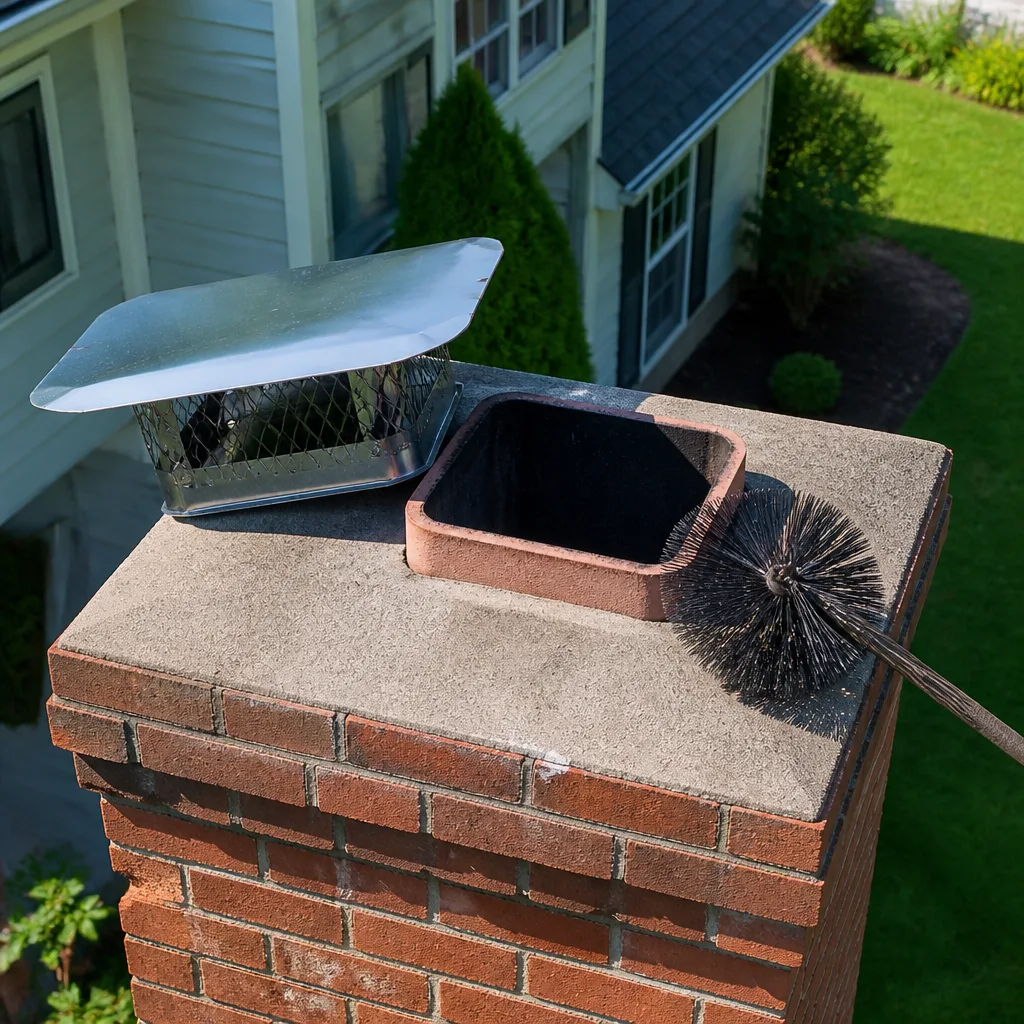 Sweep & inspection
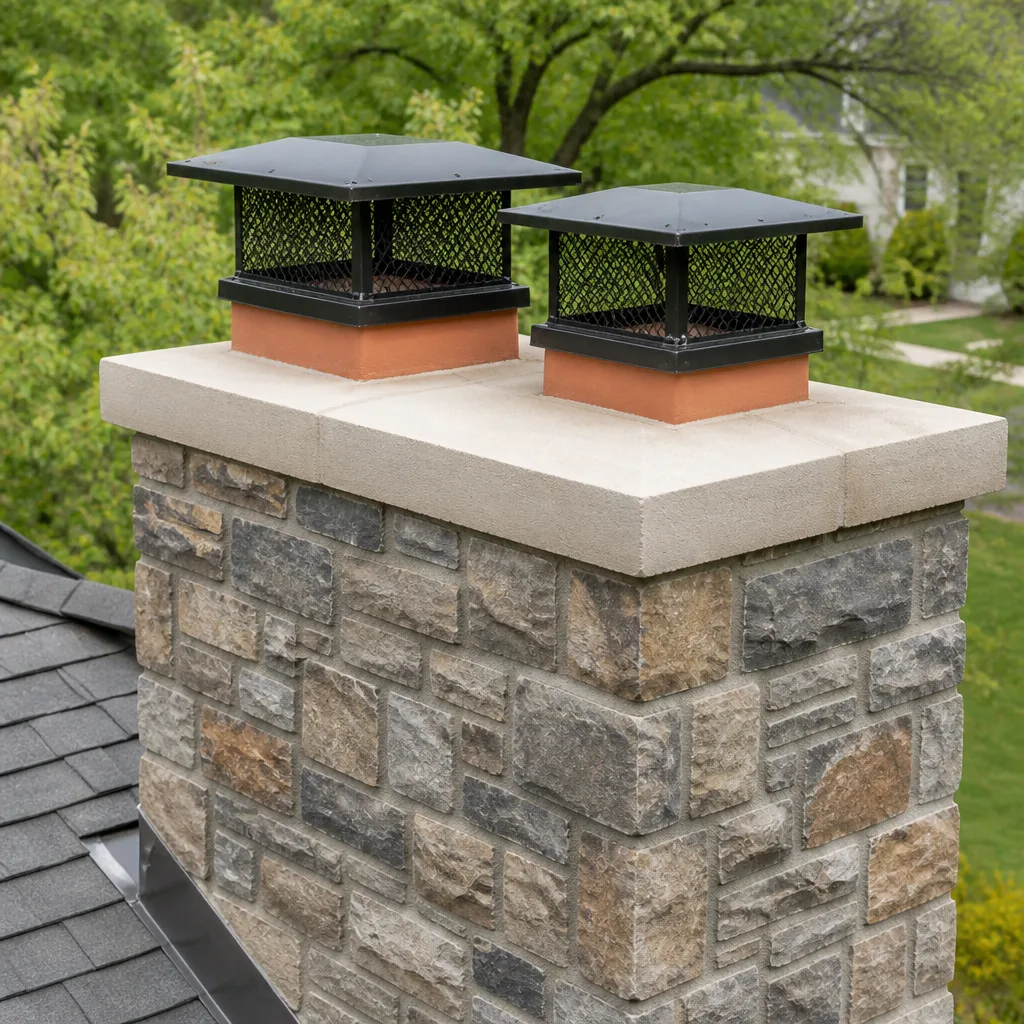 Caps & crowns
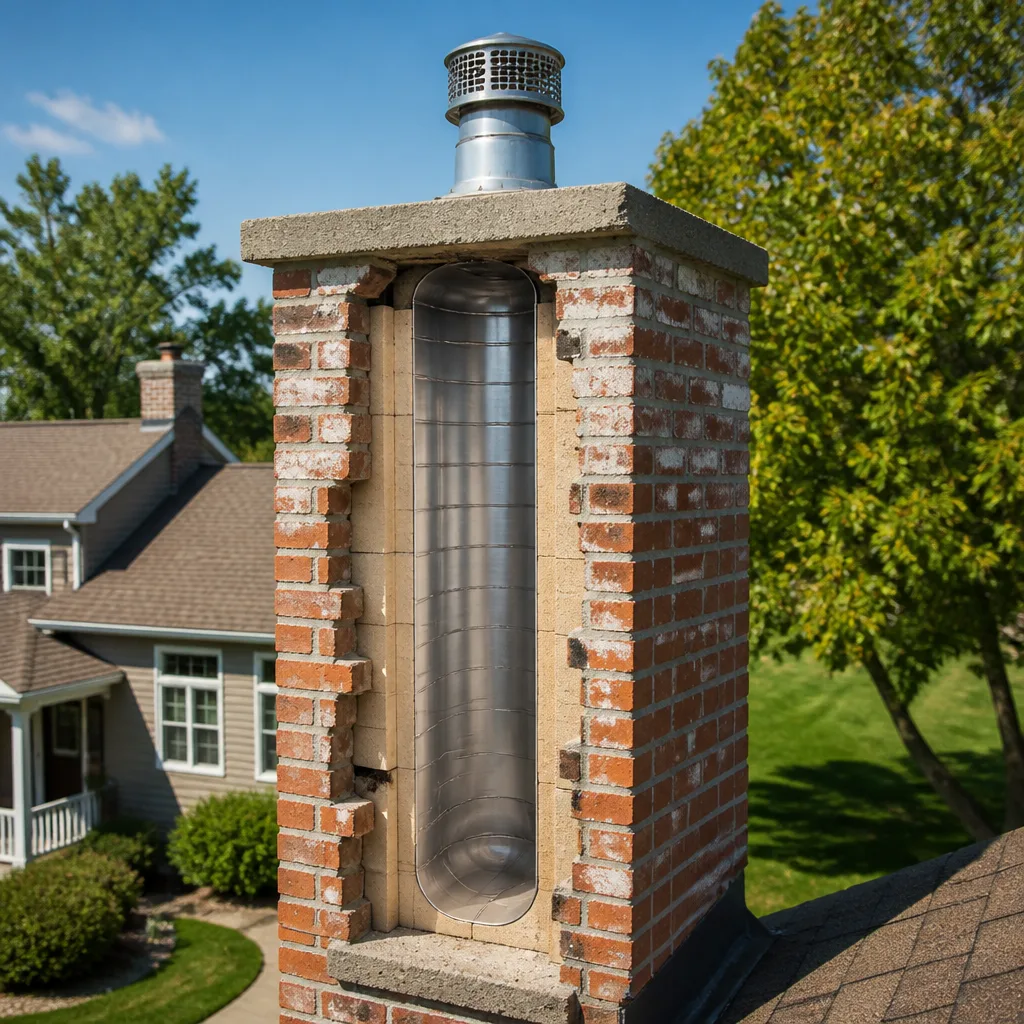 Flue relining
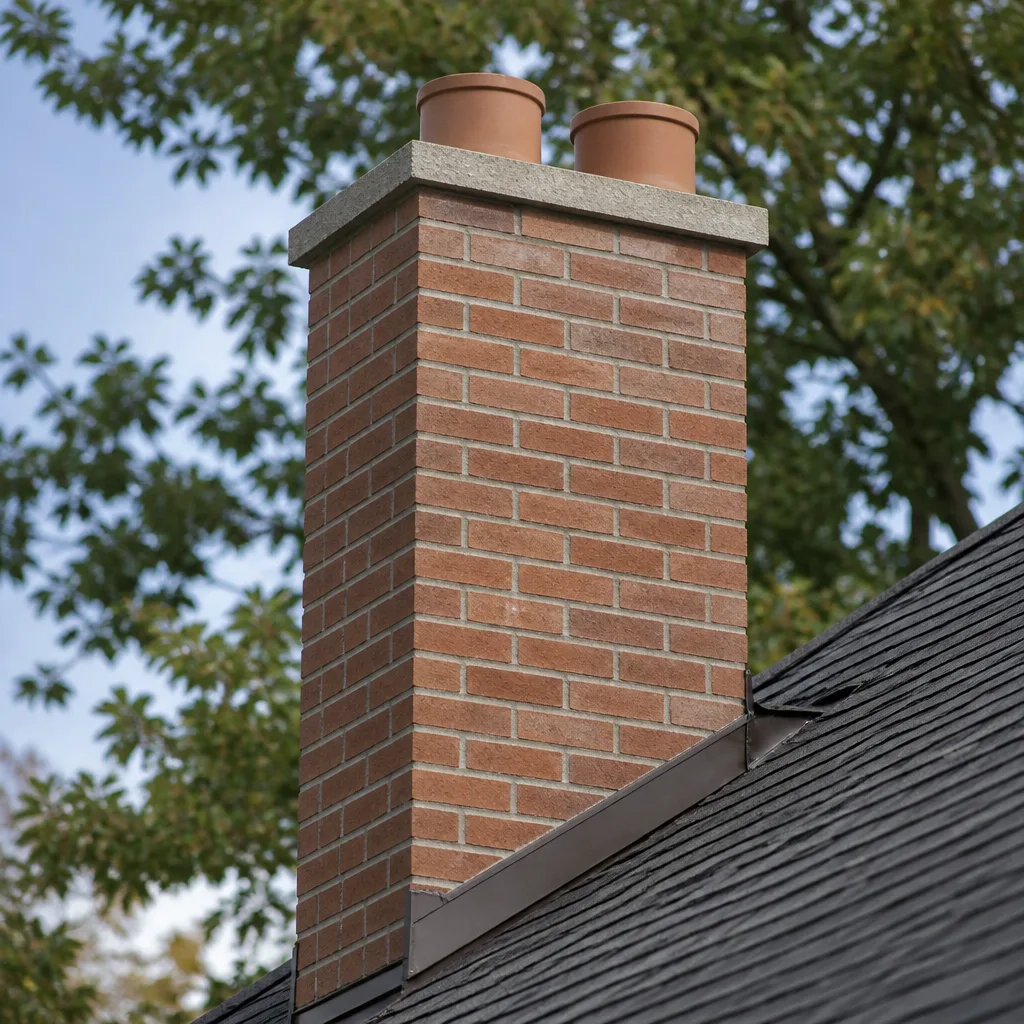 Masonry repair
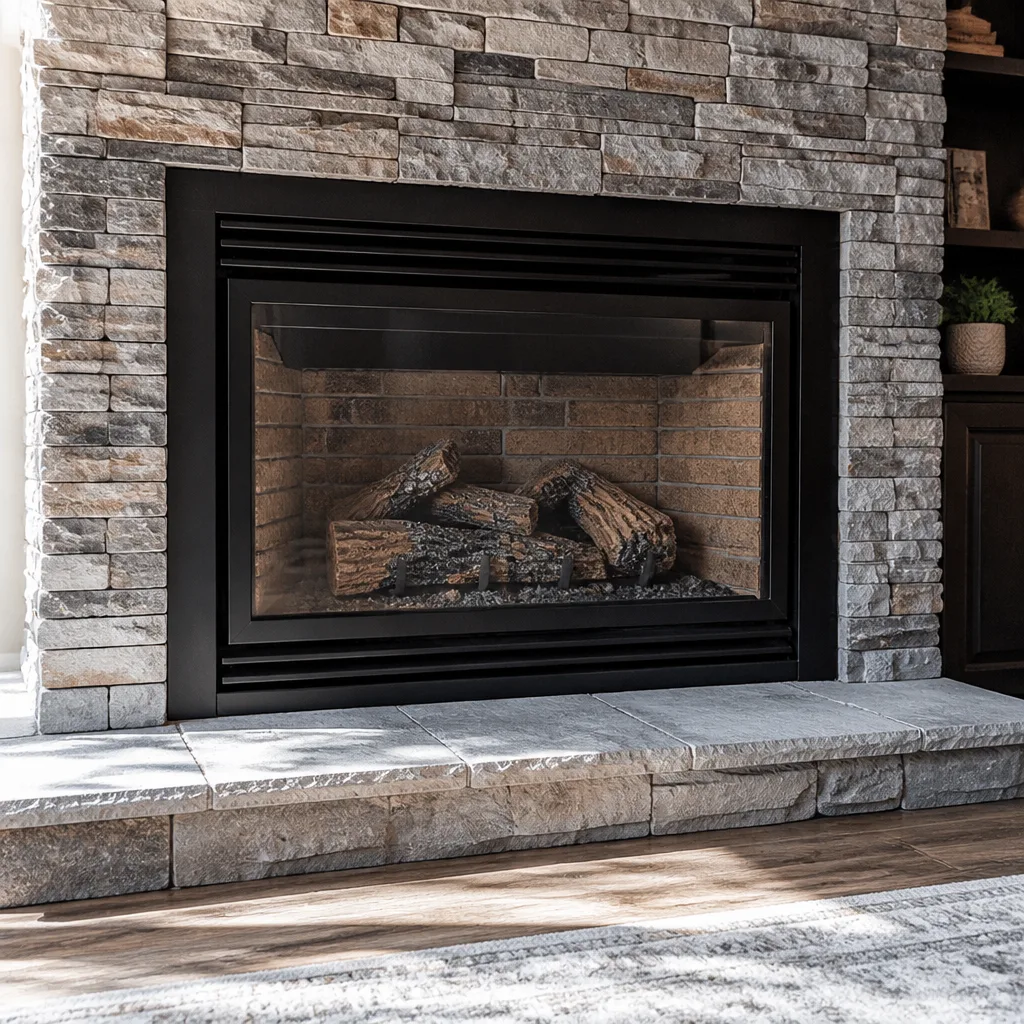 Gas fireplace service
Level 1 sweep and inspection to the NFPA 211 annual standard - flue, crown, cap, and flashing checked and photographed
Chimney sweep logs do not sweep chimneys. They loosen some creosote - which then falls where a brush and vacuum still have to collect it.
Chimney Cleaning Permits, Codes & Inspections in Provo, UT: What You Need to Know
Most homeowners in Provo assume that anything a chimney sweep does is maintenance, and maintenance is permit-free. That’s true for sweeping. It stops being true the moment the work changes the chimney itself. A relined flue, a structurally replaced cap, or a newly installed wood-burning insert all cross the line from cleaning into alteration, and alteration is where Provo City’s adopted building code starts asking questions. The trouble is that most sweep-only companies never mention the line exists. This guide walks through it: what stays exempt, what needs a permit, which department reviews it, how an NFPA 211 Level II inspection fits a Utah home sale, and how Utah County’s wood-burning curtailment rules affect when you schedule the work. If you’d rather start with the basics, our Chimney Sweep Provo page covers the sweep itself.
Quick Answer
Routine chimney cleaning in Provo does not require a permit. Work that alters the chimney structure or its venting does: liner replacement, structural cap replacement, insert installation and similar repairs generally trigger a permit under Provo City’s adopted building code, which follows the International Residential Code and the Utah Uniform Building Code. A Level II inspection under NFPA 211 is the standard called for during a home sale, and asking for documentation at the time of the work saves trouble at closing.
Styles & brands we work with
- Sweep & inspection
- Caps & crowns
- Flue relining
- Masonry repair
- Gas fireplace service
Table of Contents
- Maintenance vs. Alteration: Where Provo Draws the Permit Line
- Which Permit, Which Department: Mechanical vs. Building in Utah County
- The NFPA 211 Level II Inspection and Utah Home Sales
- Utah’s Clean Air Act, DAQ Curtailment, and When to Schedule
- What “Approved” Means on a Provo Inspection Report
- Documentation That Satisfies Insurers and Future Buyers
- How Provo’s Housing and Climate Shape Chimney Work
- Dryer Vent Codes: The Other Ventilation Requirement
Maintenance vs. Alteration: Where Provo Draws the Permit Line
The line between “no permit needed” and “permit required” isn’t about cost or how long the job takes. It’s about whether the chimney’s structure, venting or appliance configuration changes. Cleaning removes creosote and soot from a system that stays as it was. Repair changes the system.
Here’s how the split tends to fall for a Provo homeowner:
- Permit-exempt maintenance: sweeping the flue, removing creosote from the smoke chamber and firebox, checking and adjusting a damper, cleaning the cap and spark screen, and visual inspection.
- Usually permit-required: installing or replacing a flue liner, replacing a masonry or metal cap where the replacement changes the termination, installing a wood-burning insert or a new stove, rebuilding a chimney above the roofline, and any change to the flue’s size, material or routing.
- Depends on scope: resurfacing deteriorated mortar joints inside an existing flue with a ceramic system. Whether this is treated as repair or alteration can hinge on how the local authority reads the scope, so ask before the work is booked rather than after.
Provo City’s building code adopts the International Residential Code as its base, and Utah’s Uniform Building Code applies statewide. The IRC’s chimney and venting chapters are the ones that matter here, and they’re written around the assumption that a permit is pulled before a venting system is changed.
This is exactly why we don’t stop at cleaning. When we reline a flue with a DuraFlex stainless system or resurface cracked joints with HeatShield, that’s alteration work, and the homeowner should know it before the invoice arrives. Our chimney sweep work stays in the exempt column. The repair side has to be treated differently, and we’d rather say so upfront.
Which Permit, Which Department: Mechanical vs. Building in Utah County
Utah splits permits into categories, and a chimney job can land in either. Getting this right matters because applying for the wrong one stalls the project.
Mechanical permits
A mechanical permit is the usual fit when the work involves an appliance and its venting. Installing a wood-burning insert, replacing a stove, or installing a new flue liner for a gas or wood appliance generally falls here, because the permit is about the connection between appliance and vent.
Building permits
Building permits cover structural work. A chimney chase rebuild, masonry repair that changes the structure above the roofline, or removal of a chimney typically needs one. If a job involves both a new insert and structural masonry work, you may be looking at two permits.
Who reviews what
Provo City’s building department handles permitting and inspection within city limits. Unincorporated Utah County addresses fall to the county. If you’re not sure which jurisdiction your address sits in, that’s the first question to settle, and it’s an easy one to answer before any work is scheduled.
Ask three questions when you book repair work:
- Will this job require a permit, and which type?
- Who pulls it, the homeowner or the contractor?
- Who schedules the inspection, and will we get a copy of the sign-off?
A contractor who can’t answer those three questions in a sentence or two hasn’t done this work in Provo often enough.
The NFPA 211 Level II Inspection and Utah Home Sales
NFPA 211 defines the inspection levels used across the chimney trade, and Level II is the one that shows up in real estate transactions. It’s a more thorough look than the visual check done during routine service: it covers accessible portions of the chimney interior, the flue, connections, clearances and the appliance, using camera equipment where needed.
The practical reality in Utah County is that a home sale, an insurance review, or a change of occupancy tends to be the point where a chimney’s condition gets examined properly for the first time in years. Lenders and insurers want evidence, and a Level II inspection carries the documentation that satisfies them. It’s not strictly optional during a transaction in the sense that skipping it often comes back as a demand later, usually at the worst possible moment in the closing schedule.
What a Level II inspection covers:
- The flue interior, measured and checked for cracks, gaps, offset joints and obstructions
- Chimney clearances from combustible framing and roofing materials
- The firebox, smoke chamber and damper assembly
- The appliance connection and any visible venting components
- The cap, crown and exterior termination
We include camera inspection and a photo report with the sweep, so the evidence exists in a form you can hand to a buyer, an insurer or an adjuster. If you’ve been flagged during a home inspection and need documented service in a hurry, that’s a routine request for us. Call (855) 340-2065. We answer 24/7.
Utah’s Clean Air Act, DAQ Curtailment, and When to Schedule
Utah regulates wood burning during inversion periods, and Utah County gets some of the state’s most persistent winter inversions. The Utah Division of Air Quality issues mandatory and voluntary action days when particulate levels climb, and on mandatory days wood burning is restricted. Those rules affect how you use your fireplace in January, but they also shape when maintenance makes sense.
The implication is simple: get the chimney work done before burning season, not during it. Sweeping in late summer or early fall means the flue is clean and inspected before the first cold snap, when the valley’s air quality rules start limiting what you can burn anyway. Schedule it in December and you risk a mandatory action day landing on the same week you wanted the fireplace running.
A few practical notes for the Provo area:
- Inversions settle against the Wasatch Front and hold for days. Curtailment calls can come with little warning.
- A clean flue burns more efficiently, which reduces the smoke a wood fire produces and eases the load on a bad air day.
- If you burned unseasoned wood or a lot of paper last winter, your flue is carrying more creosote than usual. That’s an argument for an earlier sweep, not a later one.
- Gas fireplaces in newer Provo homes still need annual checks even though curtailment rules don’t apply to them. Venting problems don’t care what the air quality index says.
What actually happens if you skip it? Creosote accumulates in stages, and the later stages are the flammable ones. A chimney fire is a real risk, not a scare tactic. Carbon monoxide from a blocked or damaged flue is the other. Neither is common in a well-maintained chimney, and that’s the point of maintaining it.
What “Approved” Means on a Provo Inspection Report
When an inspector writes “approved” on a chimney report, it means the installation meets the adopted code as inspected, at the time of inspection, for the scope that was permitted. It’s a specific statement about a specific job, not a warranty that the chimney will never develop a problem.
What it isn’t:
- A guarantee the liner will last forever
- A statement that the whole chimney is sound, if only a partial scope was permitted
- A substitute for the annual maintenance inspection
How to request documentation that actually holds up:
- Ask for the inspection sign-off with the permit number visible, not just a verbal “it passed.”
- Get a written description of the work performed, including materials, so a future buyer can match it to the hardware in the chimney.
- Keep the manufacturer specification sheets for liner and cap components. A buyer’s inspector can verify compliance against them.
- File the photo report alongside the permit paperwork. Together they tell the whole story.
- Store it all somewhere a seller can find it years later. A folder in the house is better than an email archive nobody remembers.
We use industry-grade materials on this side of the job: DuraFlex for stainless relining, HeatShield ceramic resurfacing for deteriorated joints, and Gelco and Famco caps and venting covers so the termination at the roofline is weather-tight and code-compliant. The paperwork we leave behind names what went in.
Documentation That Satisfies Insurers and Future Buyers
The single most useful habit in chimney ownership is keeping a service record. Insurers ask about maintenance history after a claim. Buyers ask for it during inspection. Neither question is hard to answer if the paperwork exists and impossible to answer convincingly if it doesn’t.
What the record should contain:
- Date of each sweep and the name of the company that did it
- The inspection level performed and what it found
- Any repair work, with materials named and permit numbers noted
- Photographs of the flue before and after
- Inspection sign-offs for any alteration work
We can work with your insurer when a claim or review requires documentation, and the camera report we generate is written to be read by someone who wasn’t there. That’s the test. A report that only makes sense to the technician who wrote it isn’t documentation, it’s a note to self.
One thing worth saying plainly: we tell homeowners when work can safely wait. If a flue is sound and the creosote is light, a sweep and a note for next season is the honest recommendation. Nothing gets sold without camera evidence you can look at on the screen yourself.
How Provo’s Housing and Climate Shape Chimney Work
Provo’s housing stock runs from early twentieth-century homes near downtown and the Joaquin neighborhood through mid-century brick ranches toward Orem, out to newer construction in the foothills east of University Avenue and around the Grandview area. Each era brings its own chimney issues.
Older homes near downtown Provo often have unlined or clay-tile-lined masonry flues that have taken decades of heating cycles. Those are the ones most likely to need relining, and the ones where the permit question comes up most often. Mid-century homes tend to have straightforward masonry chimneys with caps that have weathered and need replacing. Newer homes in the foothills frequently have factory-built fireplaces and gas appliances where the venting configuration matters more than the masonry.
The climate adds its own pressures. Provo winters freeze and thaw repeatedly, which works on mortar crowns and caps. Spring runoff and summer monsoon moisture find cracks that developed over the winter. The mountain proximity means wind-driven rain and snow load against the termination, which is one reason a properly fitted cap matters more here than a hardware-store cover will handle.
We’re not the cheapest call you can make in Provo, and we don’t try to be. What we offer is a technician who can tell you what’s actually inside the flue, what code says about it, and what fixing it properly involves. Our technicians have up to 15 years of experience with exactly this kind of work. For the full picture of services across the city, see our Provo page.
Dryer Vent Codes: The Other Ventilation Requirement
Chimney codes get the attention, but the dryer vent is the other ventilation system in a Provo home that carries real fire risk. Lint accumulation in a vent run is one of the leading causes of residential structure fires, and the code requirements around dryer venting exist for that reason.
The basics homeowners should know:
- Vent runs should be as short and straight as possible, with limited bends
- Flexible foil or plastic ducting is a poor choice compared with rigid metal
- Terminations should have a proper hood or damper, not a screen that traps lint
- Vents that terminate in an attic, crawlspace or interior space are a code violation and a hazard
Provo homes with laundry rooms set back from an exterior wall often have long vent runs with several elbows, which is exactly the configuration that clogs fastest. Our dryer vent cleaning addresses it with the same camera-and-report approach we use on chimneys, so you see what came out and what the run looks like inside. It’s the same safety logic as the chimney: your flue, your dryer vent, one call, both checked.
Common Mistakes to Avoid
- Assuming all chimney work is permit-exempt. Sweeping is. Relining, insert installation and structural cap replacement usually aren’t. Ask before the work, not after.
- Not asking who pulls the permit. Some contractors leave it to the homeowner and don’t say so. Confirm this in writing before work begins.
- Skipping the Level II inspection during a sale. A buyer’s lender may require it anyway, and discovering that late can delay closing. Get it done early in the process.
- Scheduling the sweep mid-winter. Utah County inversion season means clean-air action days can interrupt your plans. Fall is the better window.
- Accepting a verbal “it passed.” Without the written sign-off and permit number, there’s no record a future buyer or insurer can verify.
- Ignoring the dryer vent while the chimney gets attention. Both are ventilation systems with fire risk, and both belong on the same maintenance schedule.
- Letting a sweep-only company hand off repair findings without a plan. A flag on an inspection is only useful if someone can fix it and document it. That’s why we reline and resurface rather than refer out.
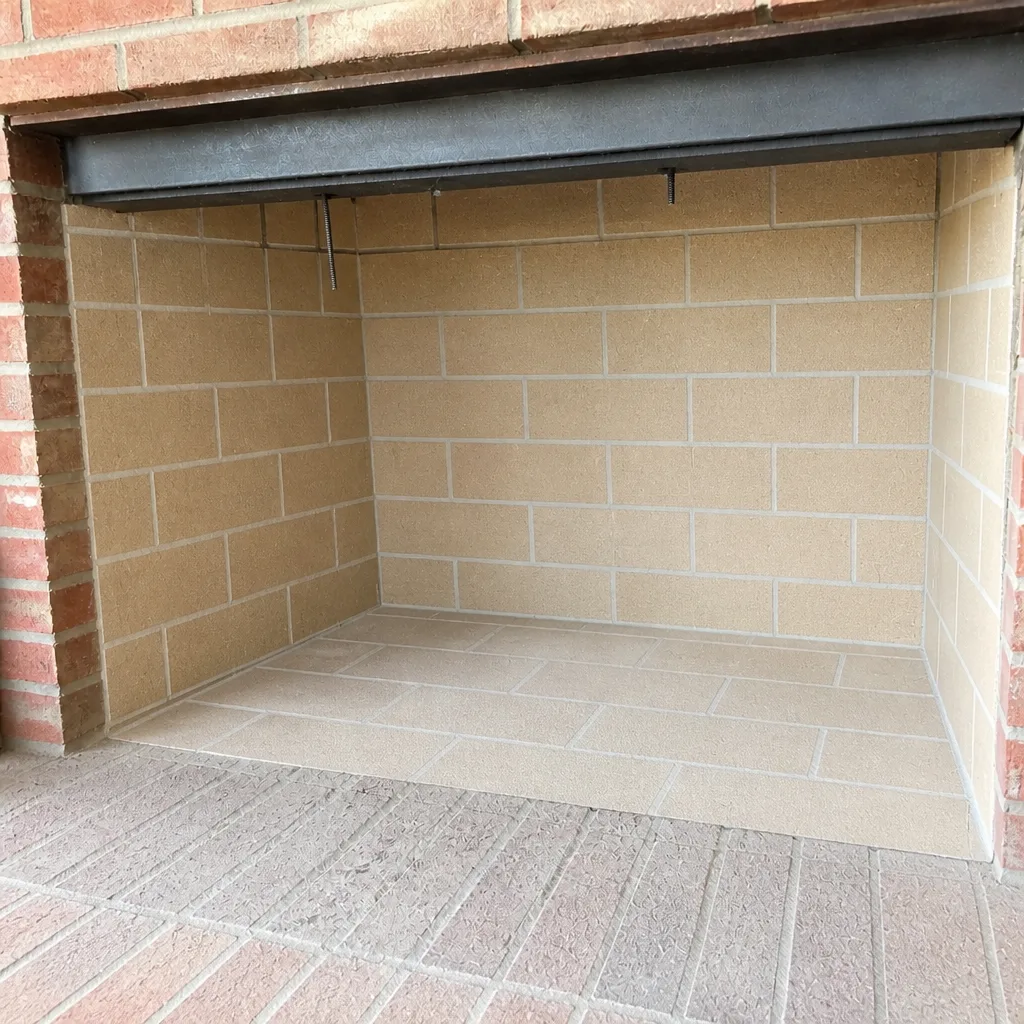
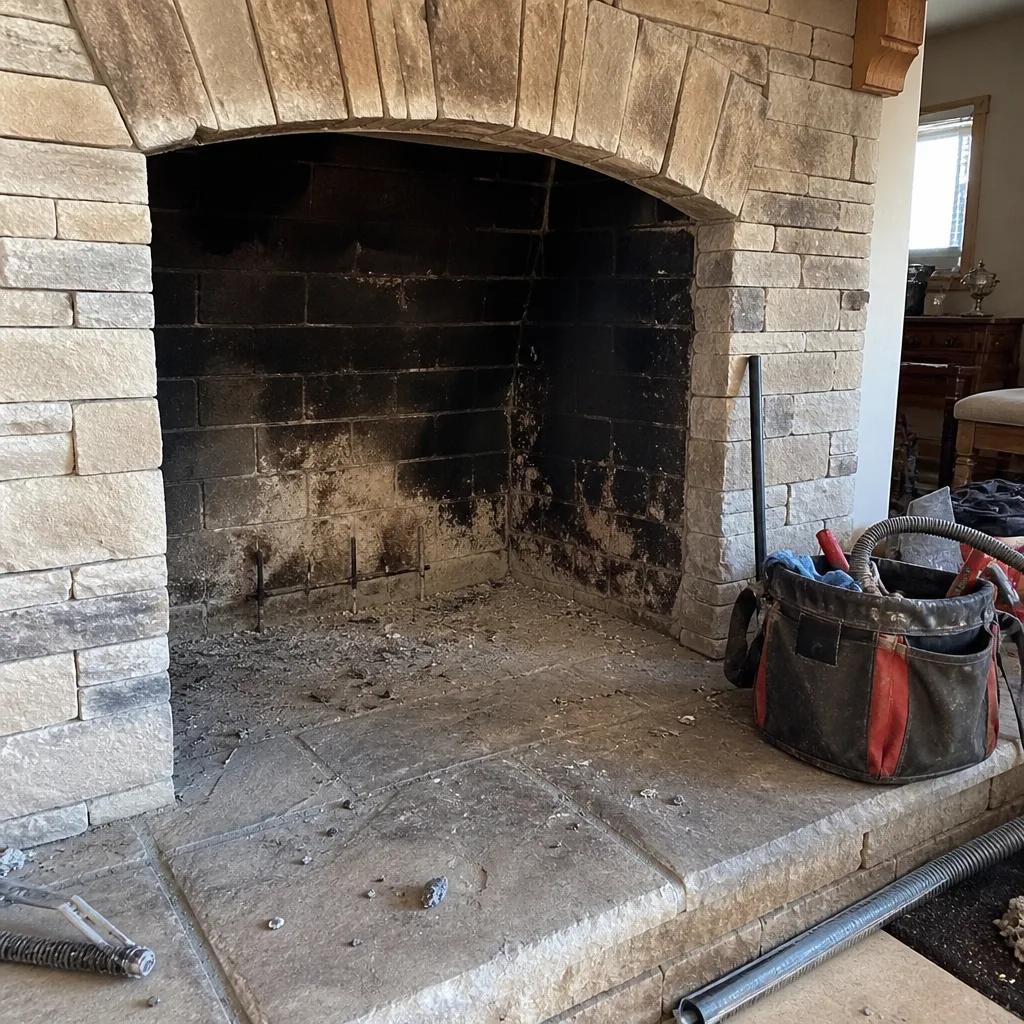
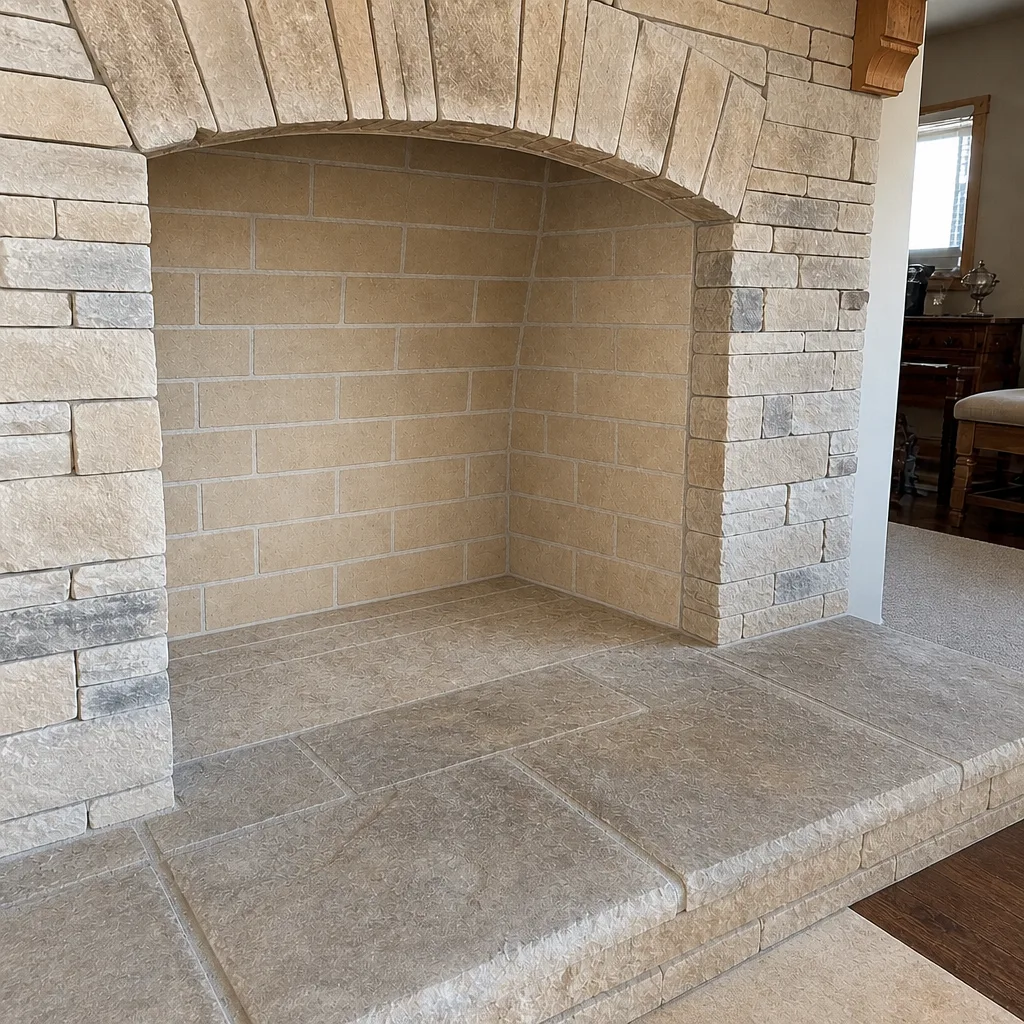
See the difference
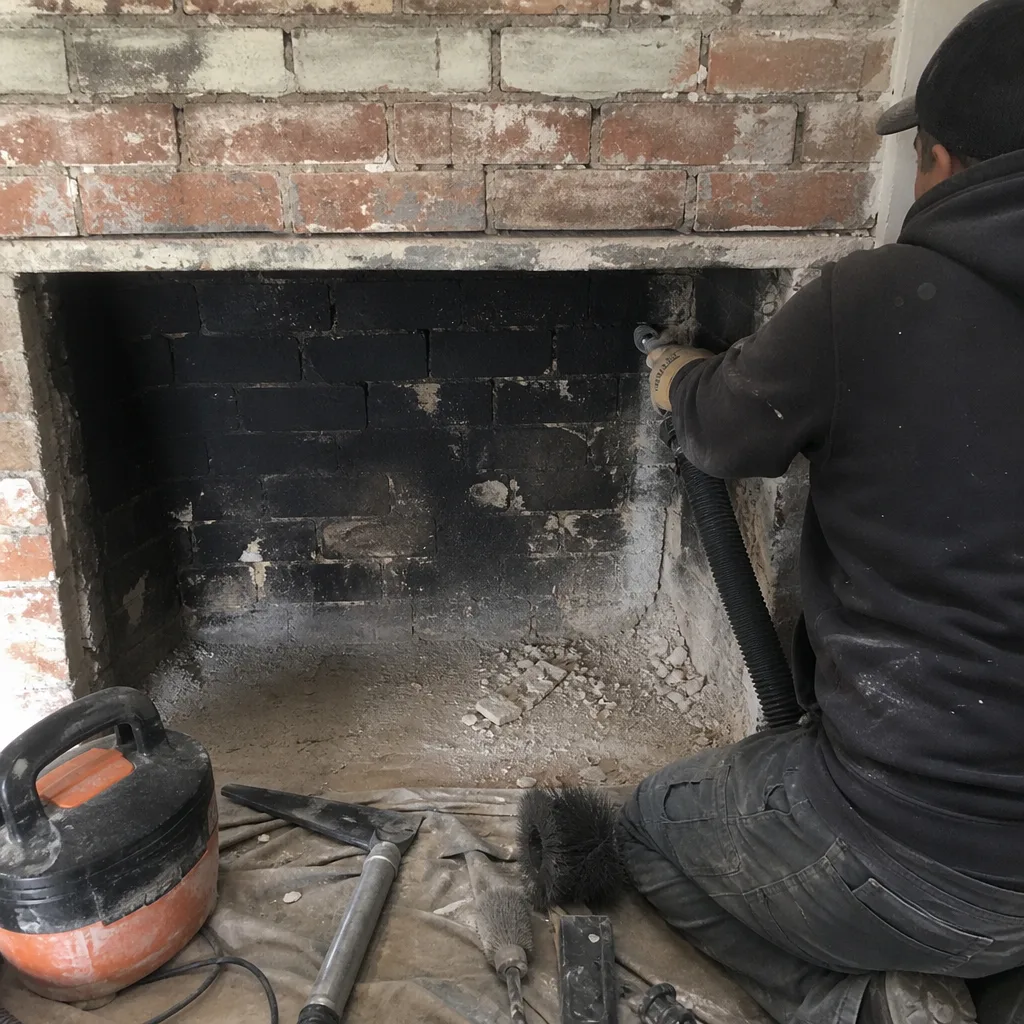 Before
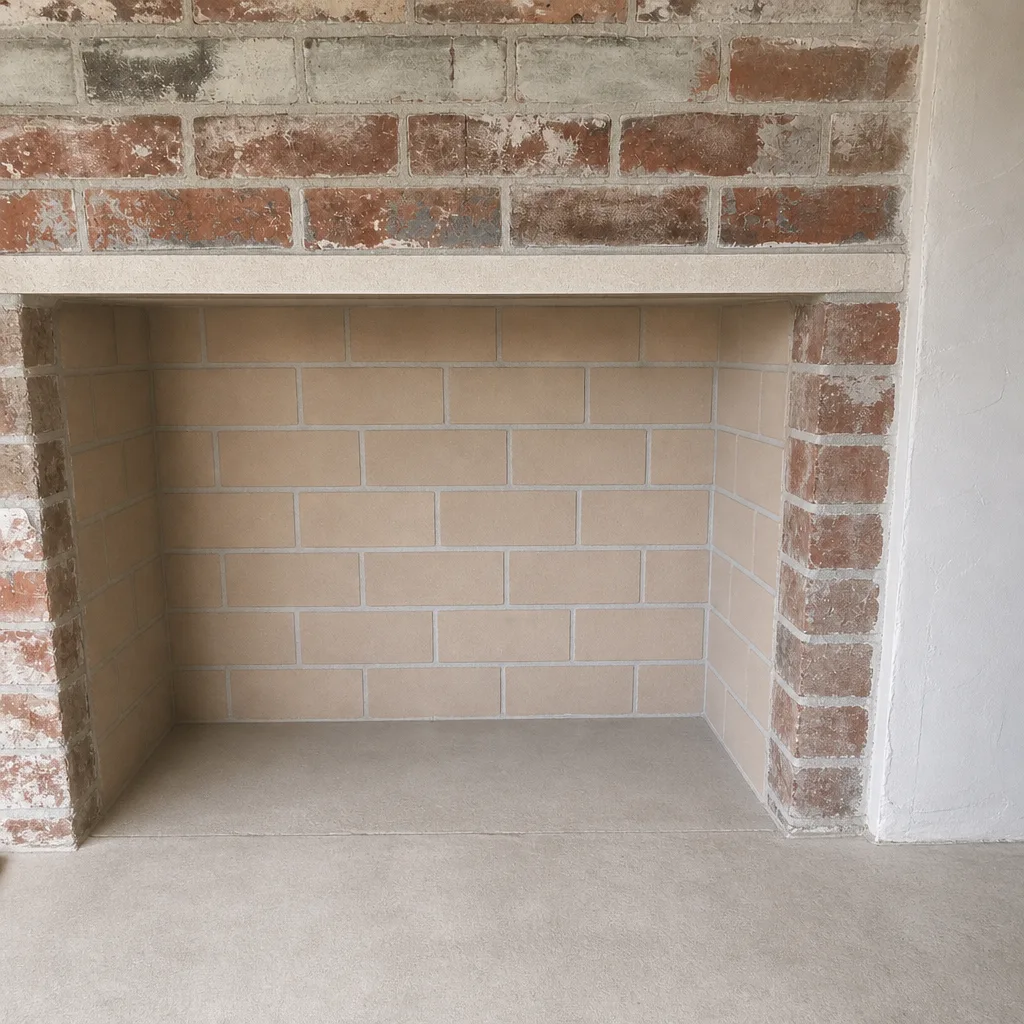 After
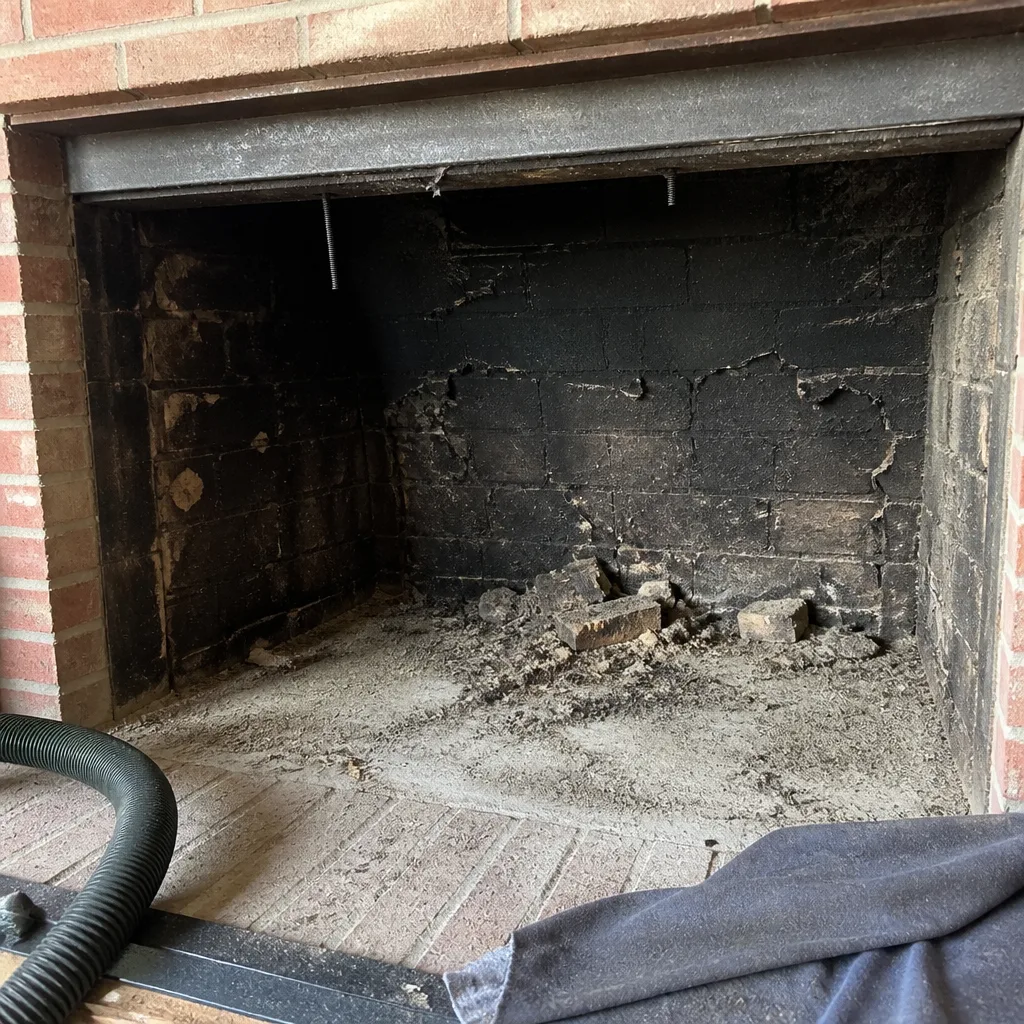 Before
 After
 Before
 After
When to Call a Professional
Call a professional when the work involves anything beyond routine cleaning: a cracked or damaged flue liner, a cap that’s failed structurally, an insert you want installed, or a home sale where a Level II inspection is needed and the clock is running. Call when your insurer asks for documentation you don’t have. Call when you smell smoke in the house with the damper open, or when a carbon monoxide alarm has sounded near a fuel-burning appliance. Call when your dryer takes two cycles to dry a load, which usually means a clogged vent. And call when you simply don’t know the last time the chimney was looked at. Chimney Sweep Provo offers free estimates in Provo. Call (855) 340-2065. We answer 24/7. Fast dispatch from 7am to 7pm, Sunday through Friday.
Frequently Asked Questions
No. Routine chimney cleaning in Provo is maintenance and doesn’t require a permit. A permit becomes necessary when the work alters the chimney structure or its venting, such as a liner replacement, structural cap replacement or insert installation. Call (855) 340-2065 if you’re unsure which category your job falls into, and we’ll tell you straight.
Usually yes. Liner replacement changes the venting system, which brings it under Provo City’s adopted building code and typically requires a mechanical or building permit depending on scope. The department that reviews it depends on whether your address is inside Provo city limits or in unincorporated Utah County. Call (855) 340-2065 for an exact quote. Estimates are free.
A Level II inspection is a thorough examination of the accessible chimney interior, clearances and appliance connection, using camera equipment where needed. It’s the standard called for during a real estate transaction in Utah, and while it may not be legally mandatory, buyers and lenders frequently require it. Getting it done early avoids surprises at closing. Call (855) 340-2065 to schedule one.
Most chimneys should be swept annually, and more often if you burn heavily or burn unseasoned wood. In Provo, scheduling in late summer or early fall gets the work done before burning season and ahead of Utah County’s winter inversion curtailment days. Call (855) 340-2065 to book a sweep and inspection.
Creosote builds up in stages, and the later stages are flammable, which raises chimney fire risk. A blocked or damaged flue also raises carbon monoxide risk. Neither outcome is inevitable, but annual inspection is what catches problems while they’re still small. Call (855) 340-2065 for a free estimate on an inspection.
You need one when the camera shows cracked tiles, gaps at the joints, or a flue that’s too large for the appliance, and you don’t need one when the flue is sound. We show you the evidence on screen before recommending anything, and we say plainly when work can safely wait. Call (855) 340-2065 to see where your chimney stands.
The Bottom Line
Provo homeowners get caught out by the permit question because nobody explains where maintenance ends and alteration begins. Sweeping stays exempt. Relining, insert installation and structural repair generally don’t, and the permit type depends on the scope and your jurisdiction. Layer on the NFPA 211 Level II inspection that home sales call for, the seasonal timing Utah County’s air quality rules impose, and the documentation insurers and buyers want, and the value of a chimney company that diagnoses, repairs and documents becomes obvious. One call, one visit, both venting systems checked. That’s the whole approach.
Call (855) 340-2065 for a free estimate. We answer 24/7. Fast dispatch from 7am to 7pm, Sunday through Friday.
Written by the team at Chimney Sweep Provo.