
Last updated November 15, 2026
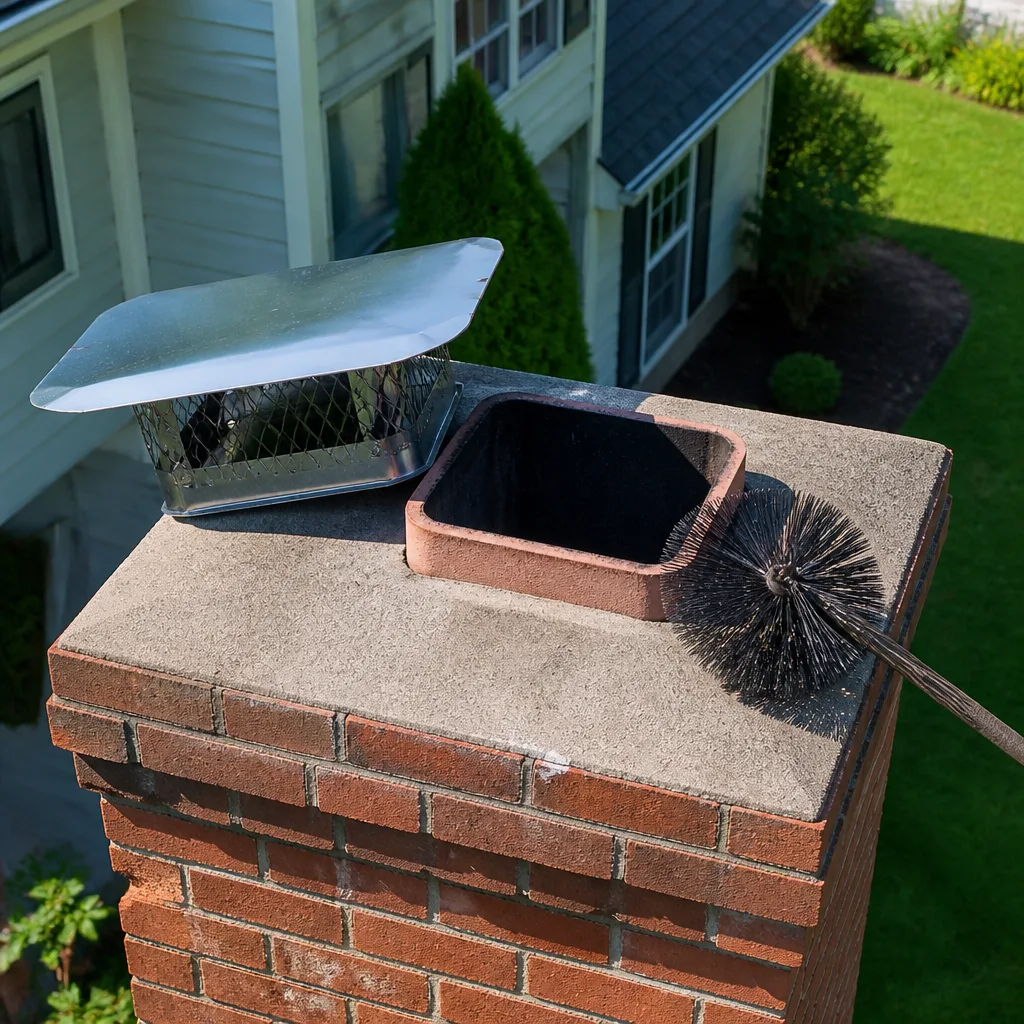 Sweep & inspection
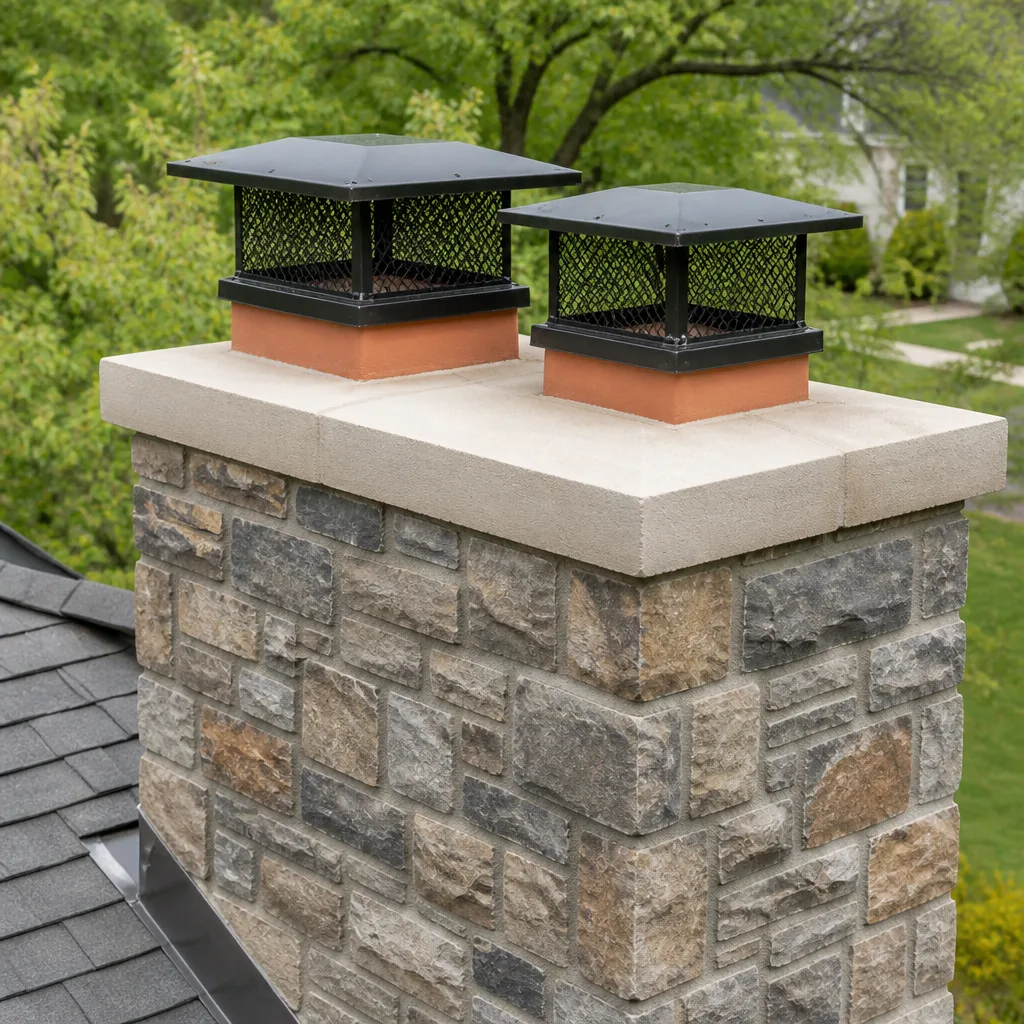 Caps & crowns
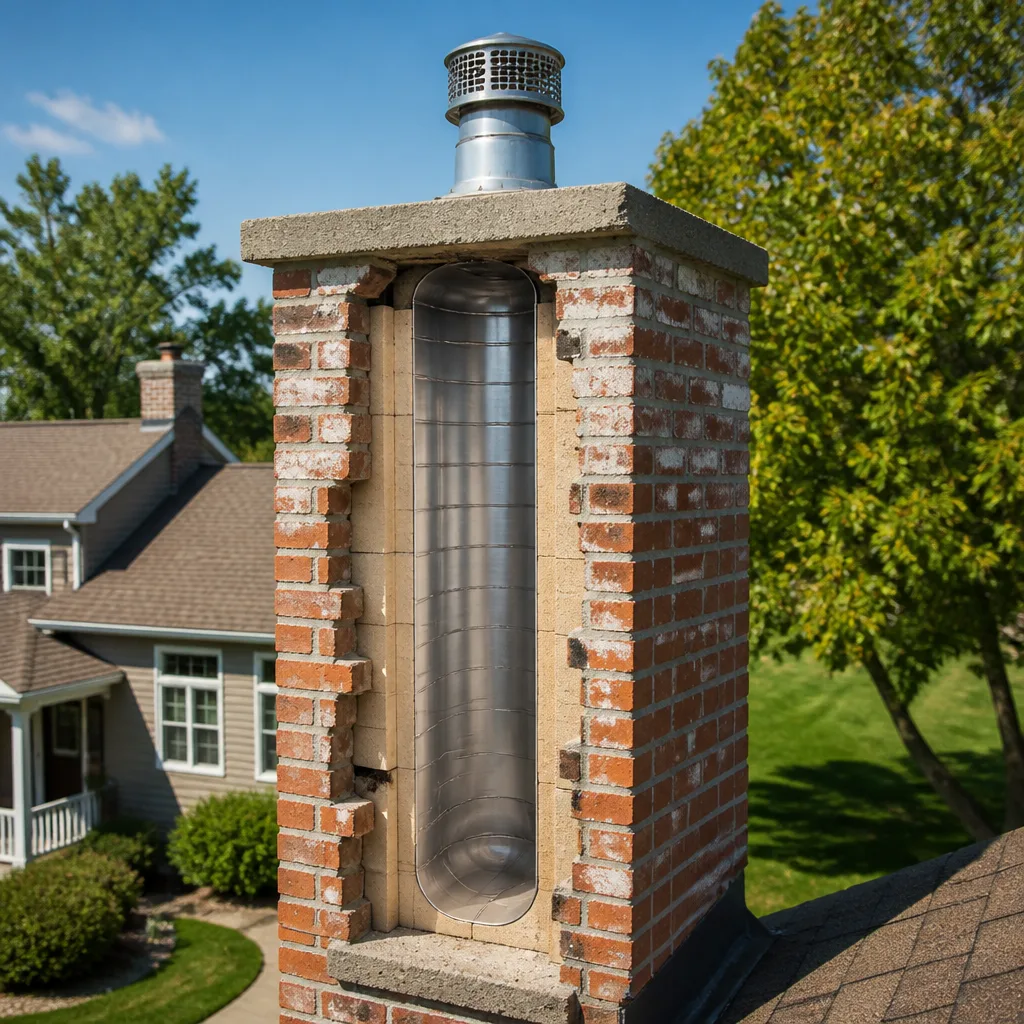 Flue relining
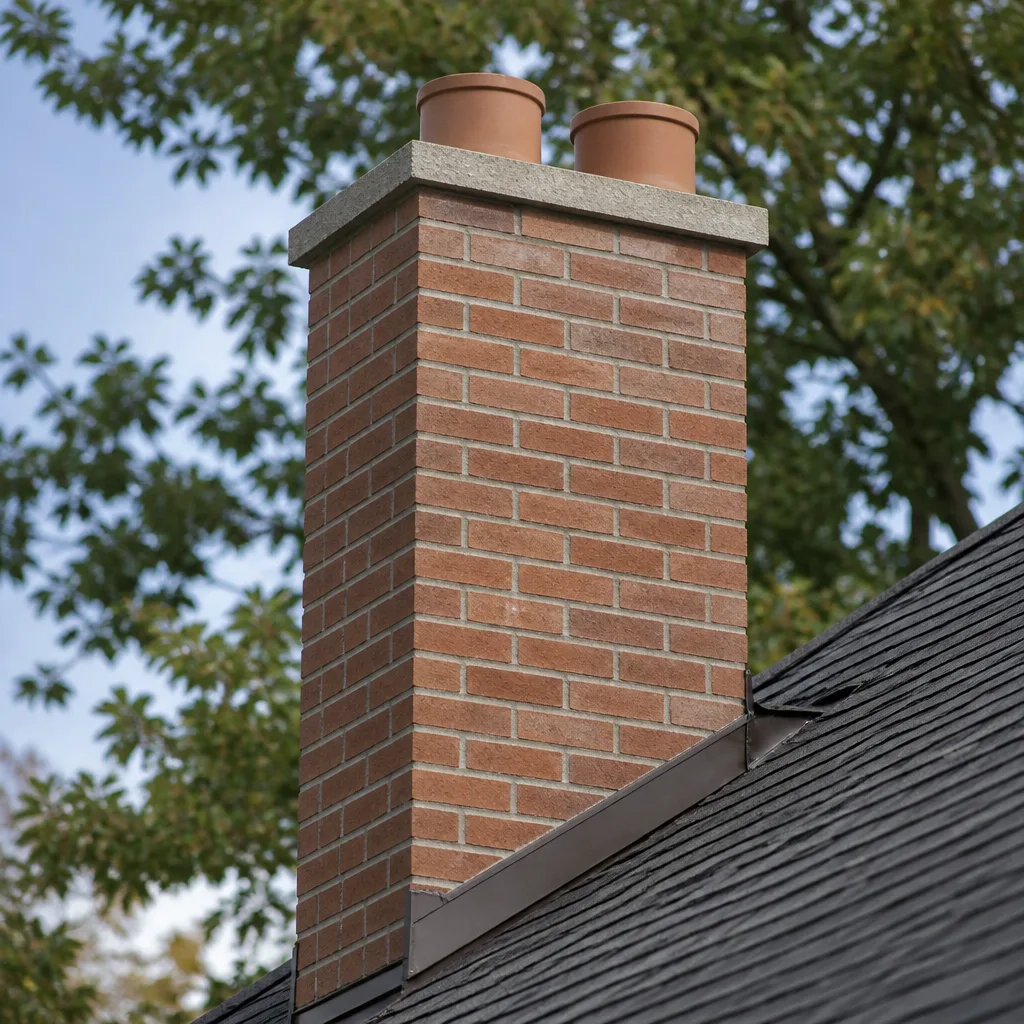 Masonry repair
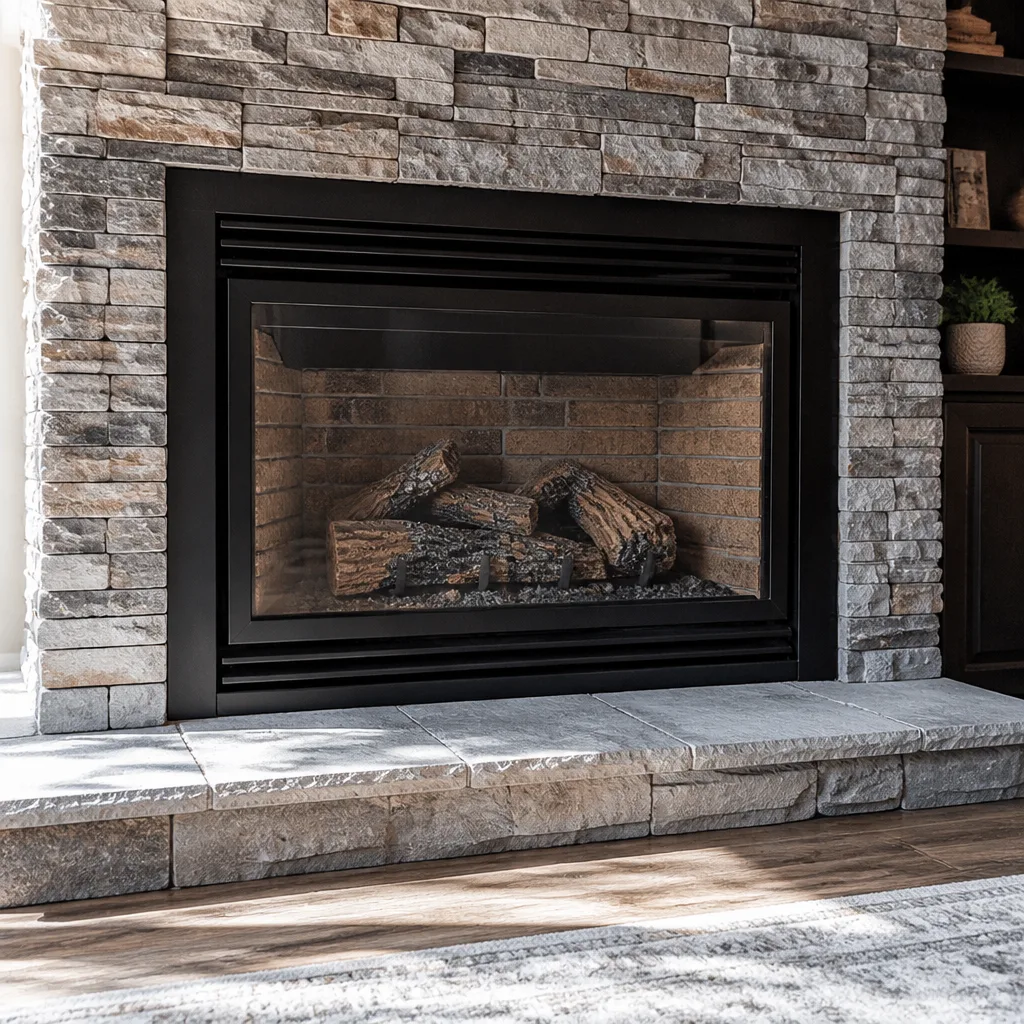 Gas fireplace service
Level 1 sweep and inspection to the NFPA 211 annual standard - flue, crown, cap, and flashing checked and photographed
Chimney sweep logs do not sweep chimneys. They loosen some creosote - which then falls where a brush and vacuum still have to collect it.
Chimney Cleaning Cost Breakdown: The Provo Homeowner’s Reference for 2026
The coupon in your mailbox says $89. It’s a real number, and it buys a real service: a standard sweep of a flue carrying light, stage 1 creosote. What it doesn’t buy, and what no coupon can promise before anyone looks inside your chimney, is the rest of the job. In Provo homes built between the 1970s and 1990s, the first inspection often turns up something the coupon never covered: a glaze of stage 2 creosote, a hairline crack in the flue tiles, a cap that’s come loose. Roughly one in three Provo homes over 20 years old will show at least one of these at first look. This guide breaks down what each service actually costs in 2026, what’s always a separate line item, and how to read a quote so the final number matches the one you agreed to.
Quick Answer
A standard chimney sweep in Provo typically runs $150 to $300, a Level II camera inspection adds $100 to $250, and dryer vent cleaning runs $100 to $200. If the inspection finds damaged flue tiles, HeatShield resurfacing generally costs $80 to $150 per linear foot, and a full stainless liner replacement typically lands between $2,500 and $5,000. The written estimate always sets the final price, and nothing should be recommended to you that you haven’t seen on camera yourself.
Styles & brands we work with
- Sweep & inspection
- Caps & crowns
- Flue relining
- Masonry repair
- Gas fireplace service
Table of Contents
- Why Chimney Pricing in Provo Is a Decision Tree, Not a Number
- What Each Service Costs in Provo in 2026
- How Provo’s Housing Stock Predicts What You’ll Need
- What’s Included in a Base Sweep and What’s Always Separate
- Stage 2 Creosote: The $150 Decision Versus the $2,500 One
- Dryer Vent Cleaning and Bundle Economics
- How to Read a Chimney Quote Line by Line
- How Often You Actually Need Service in Provo
Why Chimney Pricing in Provo Is a Decision Tree, Not a Number
Every chimney quote starts with the same three questions, and the answers branch from there. What kind of system do you have? How much creosote is in it, and at what stage? What condition are the flue walls in? Those three answers determine whether you’re paying for a sweep, a sweep plus resurfacing, or a full reline, and the gap between the cheapest branch and the most expensive one is wide.
Think of it as a tree with three main branches:
- Branch one: Light, flaky stage 1 creosote and sound flue walls. This is the sweep-only path. Standard pricing applies.
- Branch two: Glazed or tar-like stage 2 creosote, or cracked mortar joints with flue walls still structurally sound. This calls for rotary cleaning at a higher tier, and often HeatShield ceramic resurfacing to seal the joints.
- Branch three: Flue tiles that are cracked through, displaced, or missing mortar to the point where the liner can’t be repaired. This is where a flexible stainless liner becomes the correct answer, and where the price jumps into four figures.
Most of the confusion around chimney pricing in Provo comes from comparing quotes taken at different branches of this tree. A $150 quote and a $2,800 quote are not competing for the same job. They’re answers to different questions. The useful comparison is between quotes taken at the same branch, after the same level of inspection.
Our technicians have up to 15 years of experience, and most of them will tell you the same thing: the inspection, not the sweep, is where the real information lives. Get the inspection right and the price stops being a surprise. Get it wrong, or skip it, and the next quote you get will be for a branch you didn’t expect.
What Each Service Costs in Provo in 2026
Here’s the line-item breakdown. These are typical estimated ranges for the Provo market in 2026, not a firm quote. Actual pricing depends on your flue configuration, roof access, and what the inspection finds. The written estimate you receive sets the final price.
| Service | Typical 2026 Range | What It Covers |
|---|---|---|
| Level I inspection | $75 – $150 | Visual check of accessible flue, firebox, damper, cap, and exterior |
| Level II camera inspection | $100 – $250 | Closed-circuit video of the full flue, with photo documentation |
| Standard sweep (stage 1) | $150 – $300 | Brush cleaning of flue and firebox, creosote removal, basic debris cleanup |
| Rotary cleaning (stage 2) | $150 – $300 | Mechanical rotary action for glazed, hardened creosote deposits |
| HeatShield resurfacing | $80 – $150 per linear foot | Ceramic resurfacing of cracked or deteriorating mortar joints |
| Flexible stainless liner replacement | $2,500 – $5,000 | Full reline with a stainless system sized to your flue |
| Dryer vent cleaning | $100 – $200 | Full duct cleaning from dryer connection to exterior termination |
Two things drive the spread within each range. The first is access: a chimney on a steep roof pitch or tucked behind a roofline takes longer than one with a straight vertical run from the firebox. The second is system type. A modern gas fireplace with a factory-built flue is a different job than a masonry chimney serving a wood-burning insert, and the cleaning method and time required differ accordingly.
For the actual Chimney Sweep Provo service, the sweep itself is usually the smallest line on the invoice. The inspection is often where homeowners find value they didn’t know they were paying for: a photo record of the flue’s condition, taken as the work happens, so you can see what the technician sees.
How Provo’s Housing Stock Predicts What You’ll Need
Provo has a distinctive mix of housing ages, and that mix shapes which services come up most often. A large share of the city’s homes went up during the 1970s, 1980s, and 1990s, and the chimneys built in those decades have now had 30 to 50 years of heating seasons behind them. That’s enough time for the original mortar joints to begin failing, for flue tiles to develop hairline cracks, and for creosote to build in layers that a simple brush pass won’t fully remove.
What that means in practice:
- Homes from the 1970s and early 1980s often have masonry chimneys with original flue tiles. Cracked mortar joints are common at this age, which is where HeatShield resurfacing becomes relevant. It’s an EPA-recognized repair method, and we use it rather than generic patching compounds because it forms a ceramic surface that seals the joint, not just covers it.
- Homes from the late 1980s and 1990s frequently have factory-built fireplaces with metal flue systems. These can have their own issues, including failing gaskets, deteriorating inner walls, and caps that have loosened after decades of freeze-thaw cycles.
- Newer construction and remodels tend to need less, but they’re not immune. A chimney that hasn’t been inspected since the home was built may still have construction debris, an incorrectly sized flue, or a cap that was never properly installed.
Provo’s climate plays a role too. Cold winters with repeated freeze-thaw cycles put stress on masonry, and a chimney crown exposed to that cycle year after year will develop cracks. Once water gets into the masonry, the damage accelerates. A cap and crown that are properly fitted and watertight through brands like Gelco and Famco protect the whole chimney below them, which is why we treat the exterior termination as part of the system, not an accessory.
If you’re not sure how old your chimney is or what it’s made of, the Level II camera inspection answers both questions. For a more detailed look at what a chimney sweep involves from start to finish, that page covers the process step by step.
What’s Included in a Base Sweep and What’s Always Separate
A base sweep price should cover a defined set of work. If a quote doesn’t tell you what’s in it, ask before you book. Here’s how a legitimate base price usually breaks down.
What a base sweep should include
- Brushing the full accessible flue from the top down or bottom up, depending on configuration
- Cleaning the firebox and smoke shelf
- Removing and bagging creosote and debris
- A visual check of the damper, cap, and firebox
- Basic cleanup of the work area afterward
What is always a separate line item
- Level II camera inspection. A visual check and a camera inspection are not the same service. The camera pass requires different equipment and more time, and it should appear on the quote as its own line.
- Rotary cleaning for stage 2 creosote. If the technician finds glazed deposits that a standard brush won’t touch, the cleaning method changes and so does the price. This should be discussed with you before any additional work happens.
- Resurfacing or relining. Any repair work above and beyond cleaning is a separate estimate, and you should see the camera evidence supporting it before approving.
- Cap or crown work. If your cap is damaged, missing, or the wrong size for the flue, that’s a parts and labor line item.
- Dryer vent cleaning. A separate service on a separate system, even when it’s scheduled in the same visit.
The pattern to watch for is a low base price that becomes a high total once the technician is on the roof. A legitimate quote tells you up front that the base price covers stage 1 sweeping only, and that anything beyond it will be quoted before work begins. We don’t recommend anything without camera evidence you can see for yourself, and if work can safely wait, we say so.
Stage 2 Creosote: The $150 Decision Versus the $2,500 One
This is the single most important number in the whole cost breakdown. Catching stage 2 creosote at an annual service costs $150 to $300 for a rotary clean. Letting it go until a chimney fire forces the issue lands you in liner replacement territory at $2,500 to $5,000. Same chimney, same house, same firebox. The difference is timing.
Creosote builds in stages, and each stage changes what’s required to remove it:
- Stage 1: soot and flaky deposits. Removable with a standard brush. This is what a base sweep is designed for.
- Stage 2: hardened, glazed, or tar-like deposits. A standard brush pass won’t remove this. Rotary cleaning with the right head does. This is the branch where the price steps up.
- Stage 3: puffy, heavily glazed deposits that have baked onto the flue wall. At this point, the flue itself may already be compromised, and the question shifts from cleaning to whether the liner can be saved.
Stage 2 creosote is combustible. The reason chimney fires happen is that this material ignites, and a flue fire can crack the tiles it’s sitting on. Once the tiles are cracked through, no amount of cleaning restores them, and a flexible stainless liner system, like those we work with through DuraFlex, becomes the correct repair. That’s not an upsell. That’s the point where cleaning alone stops being a valid answer.
Provo’s cold winters mean most fireplaces here get real, sustained use. That’s good for the house and hard on the flue. An annual inspection catches a stage 1 flue before it becomes a stage 2 flue, and a $150 to $300 clean is a smaller check to write than a reline. We can’t tell you which branch you’re on without looking, but we can tell you that nothing gets recommended without a camera image to back it up.
Dryer Vent Cleaning and Bundle Economics
Dryer vent cleaning in Provo typically runs $100 to $200 on its own. When you schedule it in the same visit as a chimney sweep, the combined total usually comes in lower than booking the two separately, because the travel and setup time is shared. The exact bundle savings depend on your access and system layout, but the principle holds: one visit, two systems checked, one invoice.
It’s worth explaining why we pair these services at all. Lint accumulation in a dryer vent is one of the leading causes of residential structure fires, per NFPA data. That’s a separate failure mode from a chimney fire, in a separate part of the house, and it gets checked far less often. A homeowner who thinks about their fireplace every fall may never think about the duct behind the dryer. Same visit, same safety logic: dryer vent cleaning catches a problem that a chimney sweep never would.
What the service includes:
- Disconnecting the dryer from the duct for access
- Cleaning the full run from the dryer connection to the exterior termination
- Checking the exterior flap or cover for proper operation
- Reconnecting and confirming airflow
If the exterior termination is damaged or the wrong type, we work with Gelco and Famco covers to get it right. A vent cover that flaps open in the wind or lets cold air back in is a small line item that protects the whole duct.
How to Read a Chimney Quote Line by Line
A quote is only useful if you can tell what’s promised and what isn’t. Here’s a step-by-step way to read one before you sign or book.
- Find the inspection level. Is it a Level I visual check or a Level II camera inspection? If the quote doesn’t say, ask. The camera inspection is the difference between a guess and a diagnosis.
- Look for a creosote stage. A quote for a standard sweep should say it covers stage 1 creosote. If it doesn’t, ask what happens if stage 2 is found.
- Check whether the sweep and the inspection are separate lines. They are different services with different equipment requirements, and a quote that bundles them without saying so isn’t necessarily wrong, but you should know what you’re paying for.
- Look for a camera report. Is photo documentation included or an add-on? You should be able to see the inside of your flue afterward.
- Identify the parts brands. If a cap, cover, or liner is quoted, what brand and what specification? HeatShield, DuraFlex, Olympia Chimney, Copperfield, Gelco, and Famco are the names we work with, and a quote that names the material is a quote you can compare against others.
- Confirm what the written estimate guarantees. The final price should be set by that written estimate, agreed before booking, not adjusted after the technician is on the roof.
The goal isn’t to interrogate every line. It’s to be able to tell the difference between a quote that’s telling you what it covers and one that’s leaving room to grow.
How Often You Actually Need Service in Provo
Once a year is the standard recommendation for a chimney in regular use, and Provo’s long heating season makes annual service the right rhythm for most homes here. If your fireplace gets heavy use through the colder months, an annual inspection is how you catch stage 2 creosote before it becomes a reline conversation.
The cadence breaks down depending on how you use the system:
- Wood-burning fireplace in regular winter use: annual sweep and inspection.
- Gas fireplace: annual inspection, less frequent cleaning. Gas systems produce different deposits, and the inspection is about the venting and the termination, not creosote volume.
- Occasional use (a few fires a season): annual inspection still makes sense, but cleaning frequency may be lower depending on what the camera shows.
- Dryer vent: once a year for most households, more often in high-use homes with large families.
If you’ve recently bought a home in Provo or anywhere along the Wasatch Front and don’t have documentation of the last inspection, get one. The Provo housing market moves quickly, and a Level II camera inspection is the cheapest way to know what you actually own before the first winter.
Common Mistakes to Avoid
- Booking on price alone. The lowest quote on a coupon site is usually a stage 1 sweep price quoted without an inspection. It’s not a lie, but it’s not a total. Ask what the price covers and what happens if the inspection finds something else.
- Skipping the camera inspection. A visual check from the roof can’t see cracked mortar joints deep in the flue. The camera is what turns a guess into a diagnosis, and it’s the difference between a quote you can trust and one you can’t verify.
- Approving repair work without seeing the evidence. If a technician tells you the flue needs resurfacing or a full liner, ask to see the camera images. No legitimate chimney company should hesitate to show you.
- Treating stage 2 creosote as a cleaning problem. It is a cleaning problem, until it becomes a structural one. The rotary clean at $150 to $300 is the branch worth taking early.
- Forgetting the dryer vent entirely. Lint accumulation is one of the leading causes of residential structure fires, per NFPA data, and it’s the part of the house almost nobody thinks about. Same visit, same safety logic.
- Accepting a cap that doesn’t fit. A loose, undersized, or missing cap lets water into the masonry, and Provo’s freeze-thaw cycles turn that into cracked crowns and deterioration. Gelco and Famco covers exist for a reason.
- Waiting for a problem before booking. Preventive maintenance costs a fraction of repair, and the decision tree gets more expensive the later you enter it.
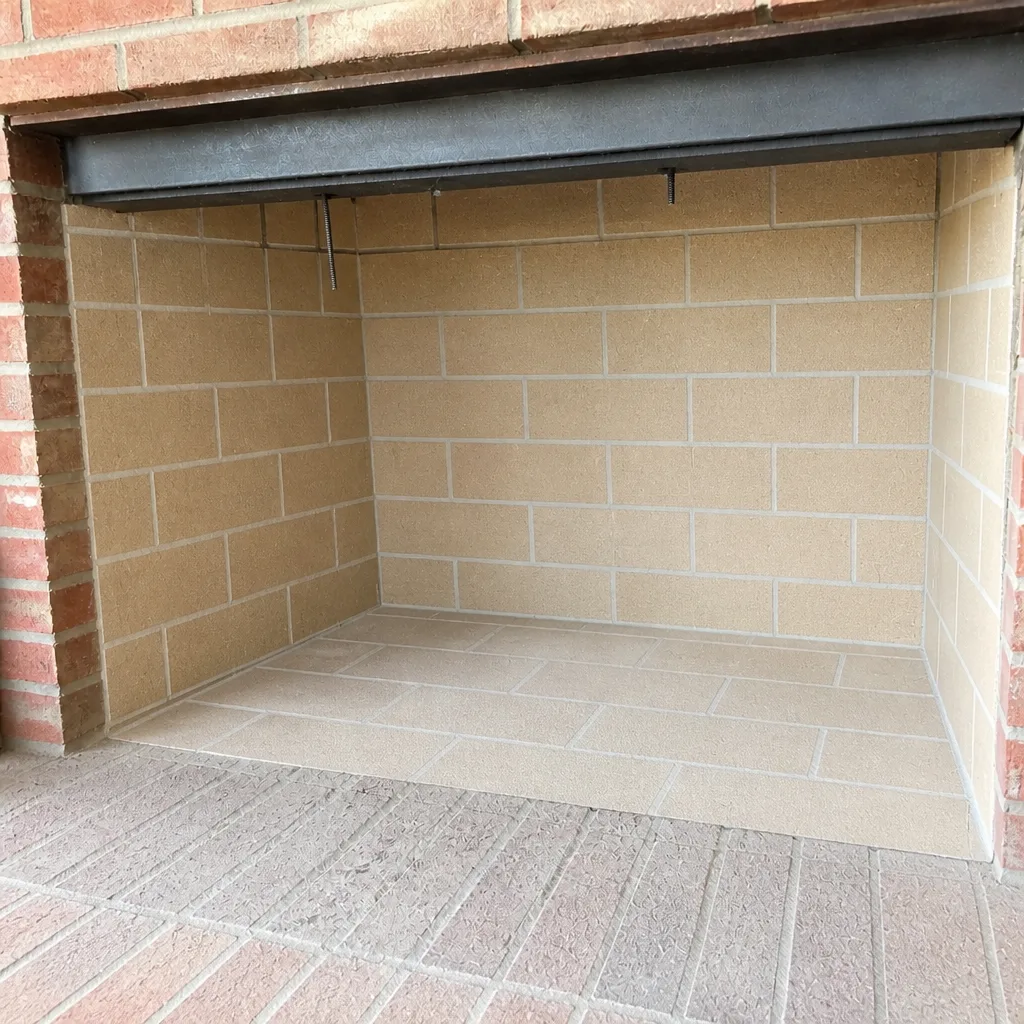
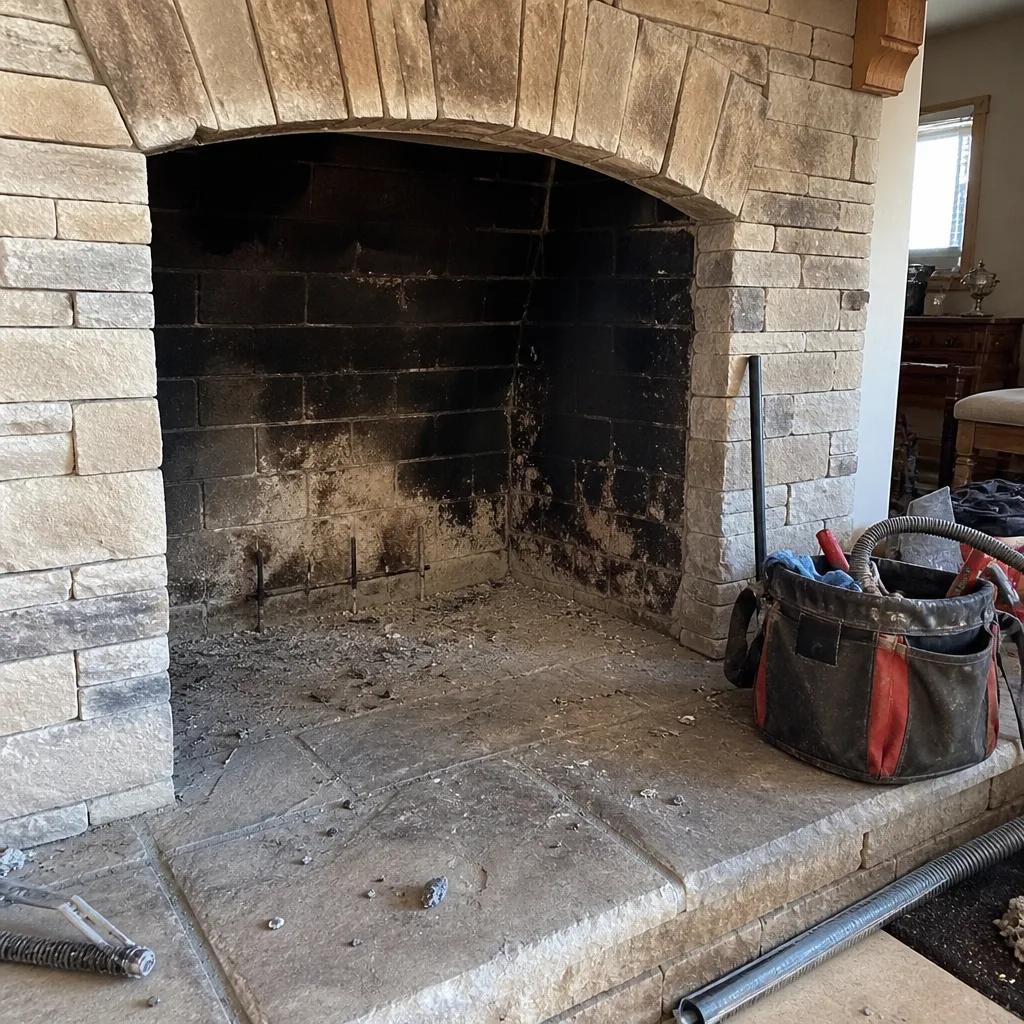
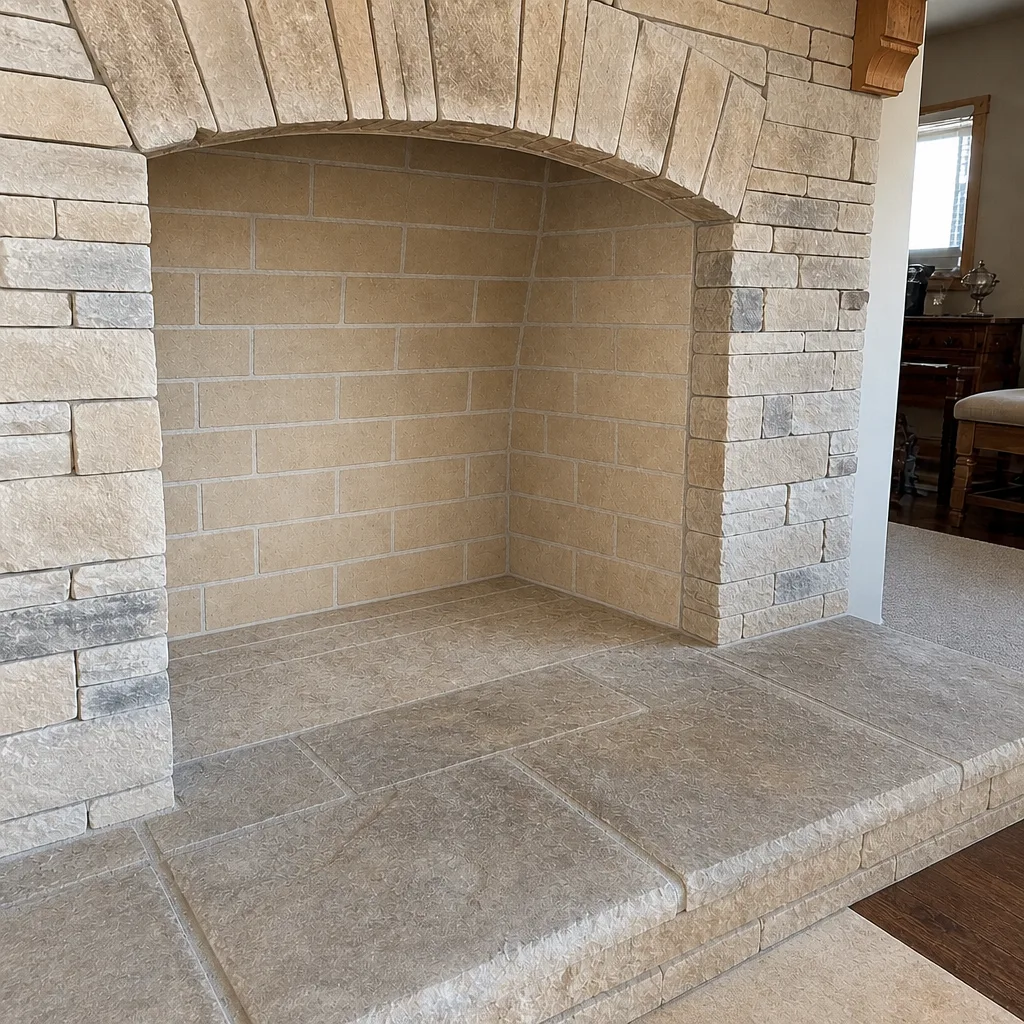
See the difference
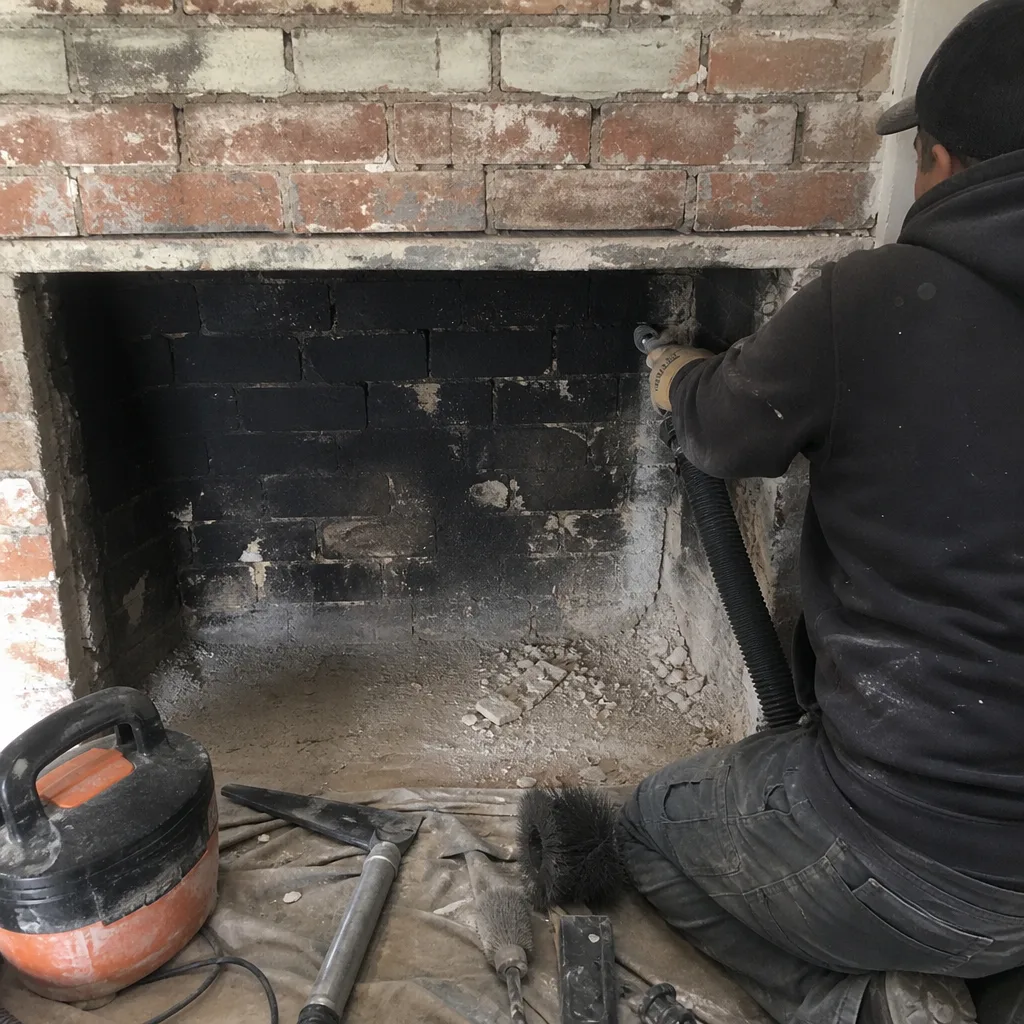 Before
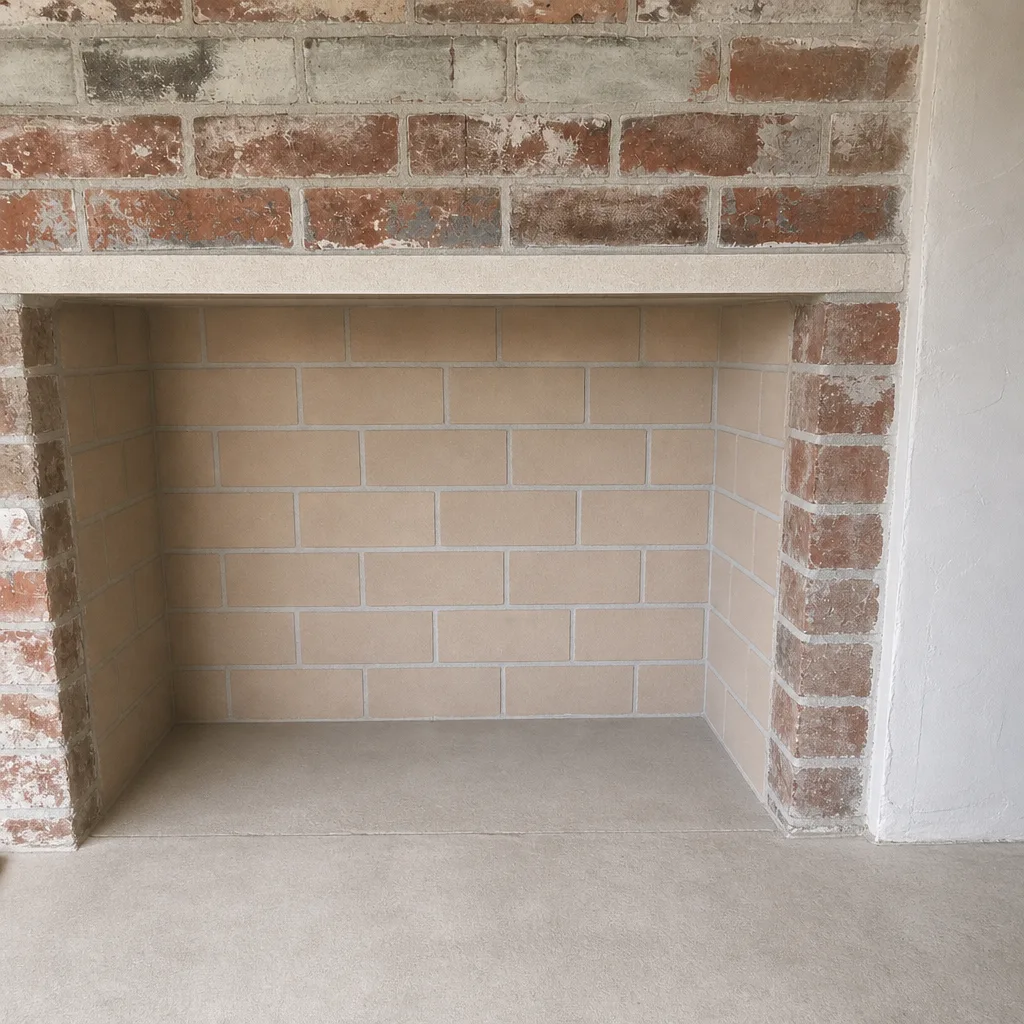 After
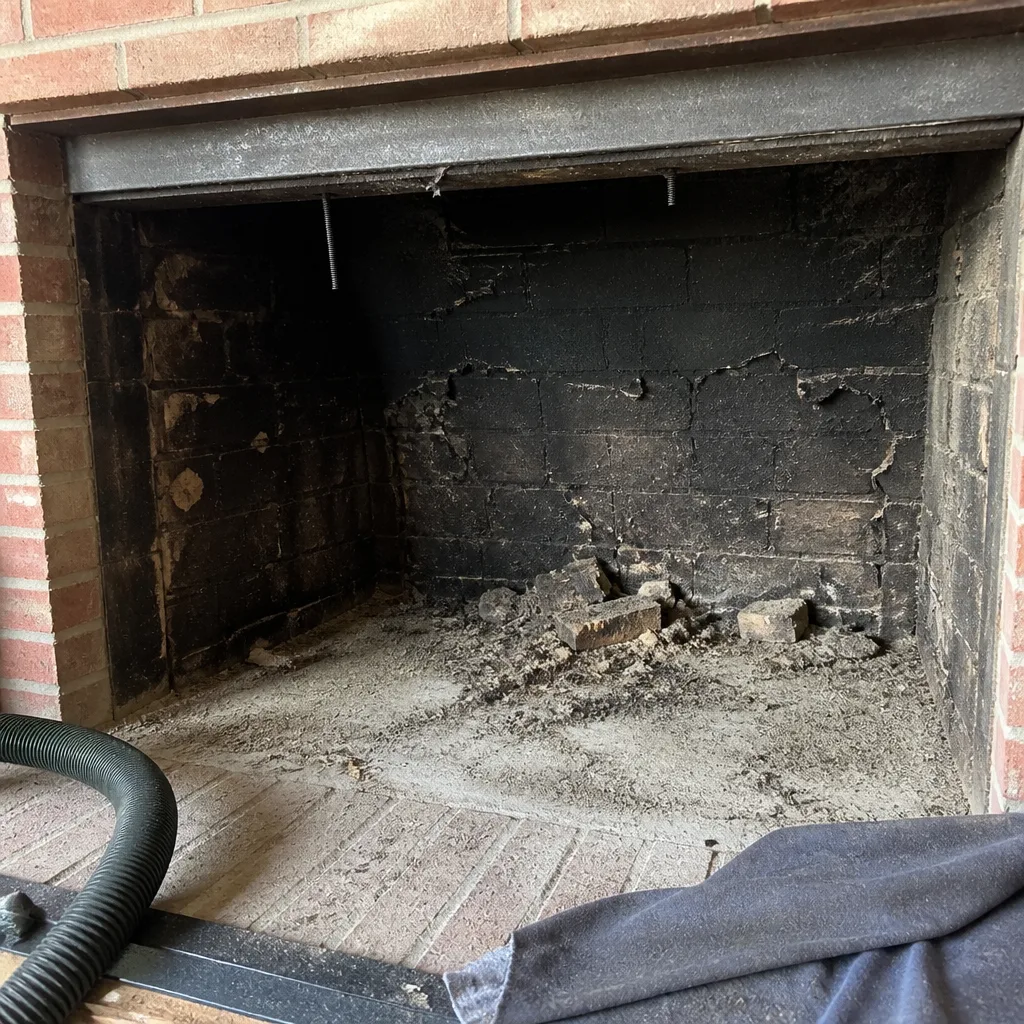 Before
 After
 Before
 After
When to Call a Professional
Some chimney issues are safe to note and monitor. Others need a trained technician, and the list of those is shorter than most homeowners expect. Call a professional if you smell a strong creosote odor in the house when the fireplace isn’t in use, if smoke backs into the room instead of drawing up the flue, if you can see cracked or displaced flue tiles through the damper, if the cap is missing or visibly damaged, or if it’s been more than a year since the last inspection. High-tension components, electrical work, gas lines, and steep-roof access all belong in trained hands, and chimney work touches most of those. Don’t climb the roof yourself. Chimney Sweep Provo offers free estimates in Provo. Call (855) 340-2065. We answer 24/7. Fast dispatch from 7am to 7pm, Sunday through Friday.
Frequently Asked Questions
A standard chimney sweep in Provo typically runs $150 to $300 for stage 1 creosote, and a Level II camera inspection adds $100 to $250. Rotary cleaning for stage 2 creosote usually lands in the same $150 to $300 range, with the method and time required determining the final number. Call (855) 340-2065 for an exact quote. Estimates are free.
Only if the camera inspection shows the existing flue can’t be repaired. Cracked-through or displaced flue tiles, or mortar joints deteriorated past the point where resurfacing will hold, are the conditions that call for a flexible stainless liner, typically $2,500 to $5,000. If HeatShield resurfacing is a valid option at $80 to $150 per linear foot, that’s the less invasive path. Nothing gets recommended without camera evidence you can see yourself. Call (855) 340-2065 and we’ll walk you through what the inspection found.
Once a year for a wood-burning fireplace in regular use, which covers most Provo homes through the heating season. Gas fireplaces need an annual inspection more than a cleaning. If you’ve moved into a home without documentation of the last inspection, book one before the first winter. Call (855) 340-2065 to schedule.
Creosote keeps building, and it moves from flaky stage 1 to glazed stage 2, which is combustible. That’s the stage where chimney fires start, and a flue fire can crack the tiles it’s sitting on. The repair cost moves from a $150 to $300 rotary clean into $2,500 to $5,000 liner replacement territory. Call (855) 340-2065 for a free estimate and catch it early.
Usually yes. Dryer vent cleaning on its own runs $100 to $200, and scheduling it in the same visit as the chimney sweep typically brings the combined total below booking the two separately, because travel and setup time is shared. Lint accumulation is one of the leading causes of residential structure fires, per NFPA data, so it’s a check worth making. Call (855) 340-2065 to book both.
Yes. The written estimate, agreed before booking, sets the final price, and the inspection-level quote tells you what the base price covers. Any repair beyond cleaning, whether HeatShield resurfacing or a DuraFlex liner, comes as a separate line with camera evidence behind it. Call (855) 340-2065 for a free estimate. We answer 24/7. Fast dispatch from 7am to 7pm, Sunday through Friday.
The Bottom Line
Chimney pricing in Provo isn’t one number, it’s a decision tree: system type, creosote stage, liner condition, and service scope. A base sweep at $150 to $300 covers stage 1 creosote and a visual check. A camera inspection at $100 to $250 tells you what’s actually inside the flue. Beyond that, HeatShield resurfacing at $80 to $150 per linear foot and a full stainless liner at $2,500 to $5,000 are the branches that exist for a reason, and they should always come with evidence you can see. Catch the problem at the annual service and you stay on the cheap branch. Skip it and the tree gets more expensive. That’s the whole calculation.
Contact
If you’ve got a sweep, a repair, or a dryer vent on your list, call Chimney Sweep Provo at (855) 340-2065 for a free estimate. We answer 24/7. Fast dispatch from 7am to 7pm, Sunday through Friday. Your flue, your dryer vent, your safety, all handled in one visit with industry-grade materials and clear evidence behind every recommendation.
Written by the team at Chimney Sweep Provo.