
Last updated November 15, 2026
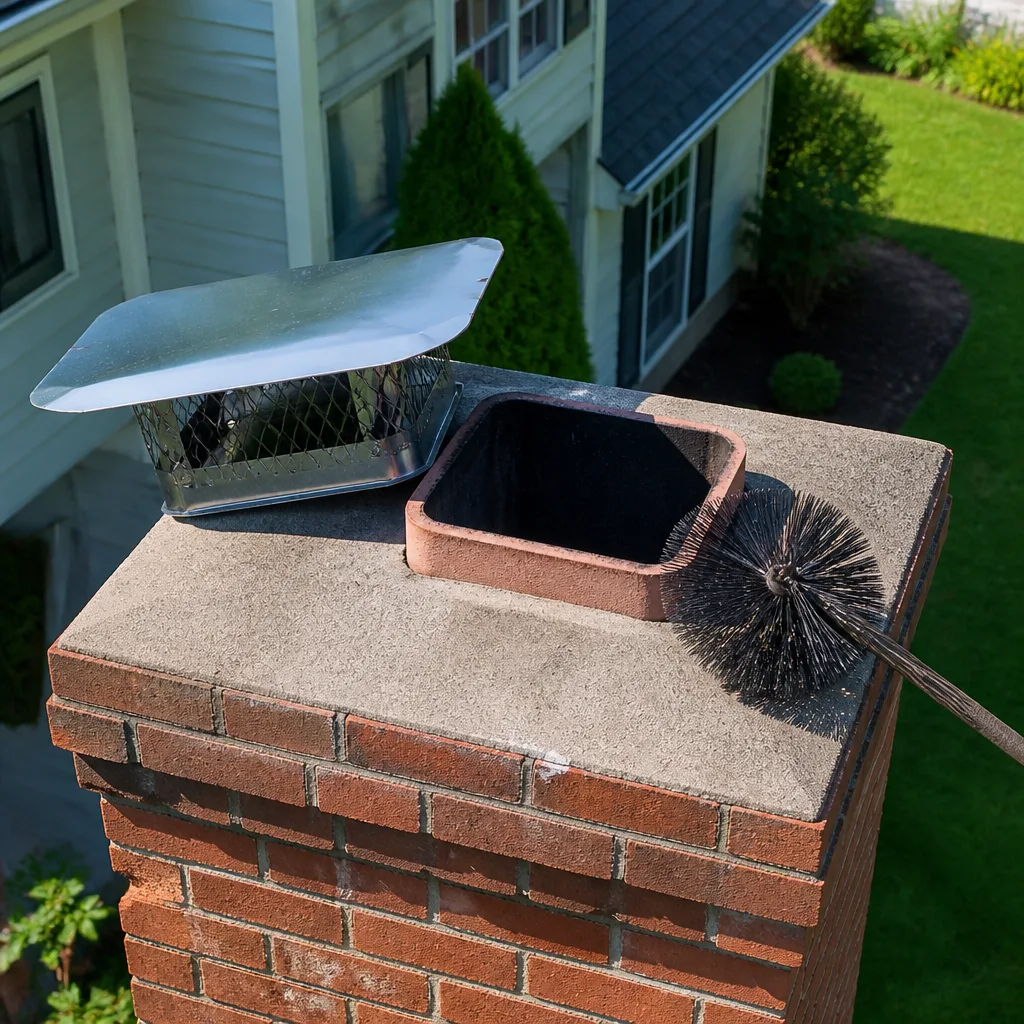 Sweep & inspection
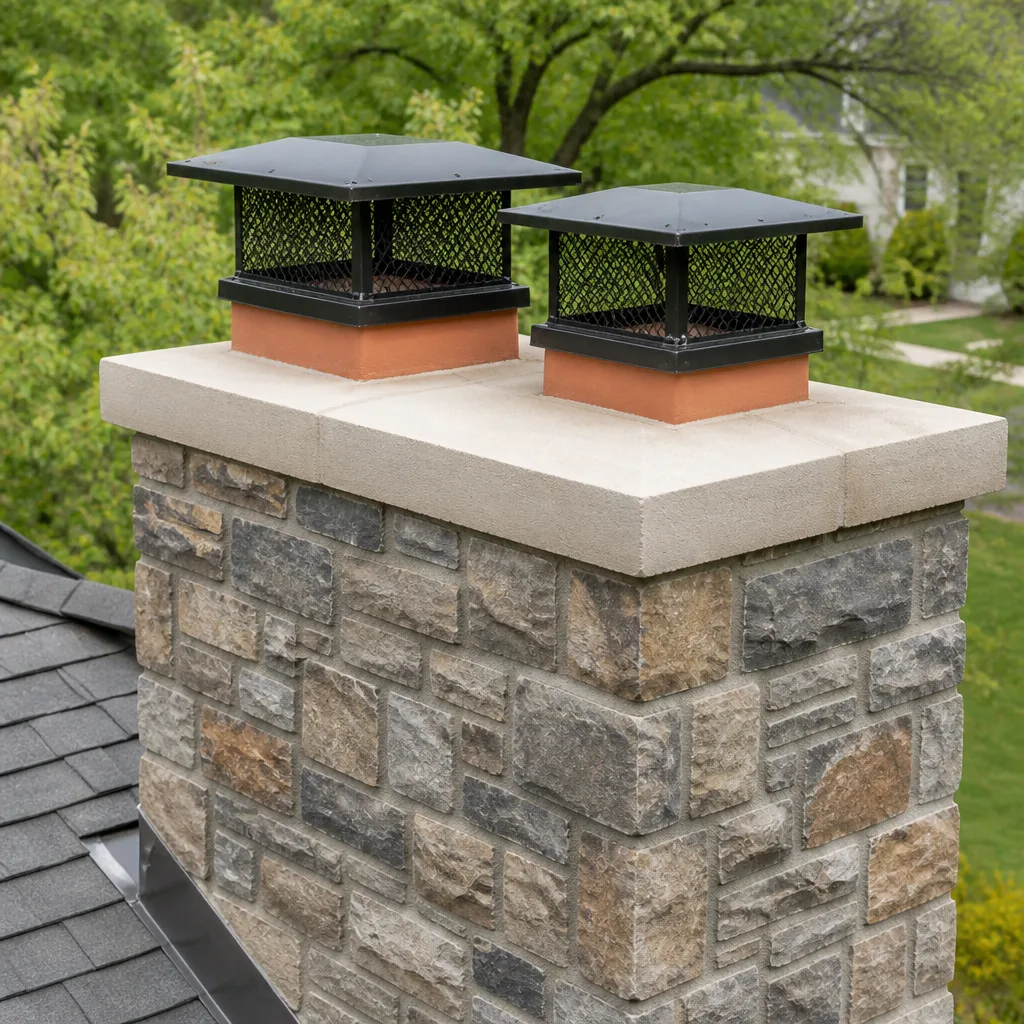 Caps & crowns
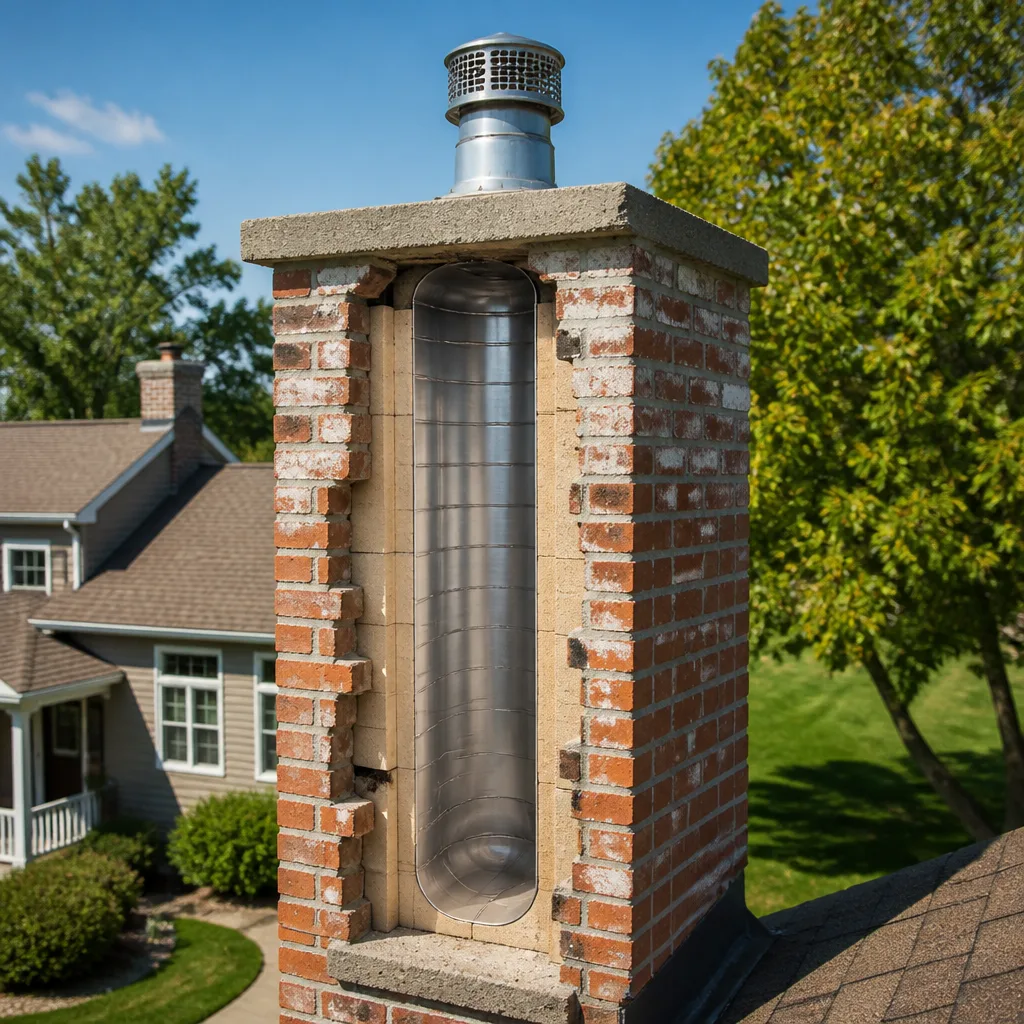 Flue relining
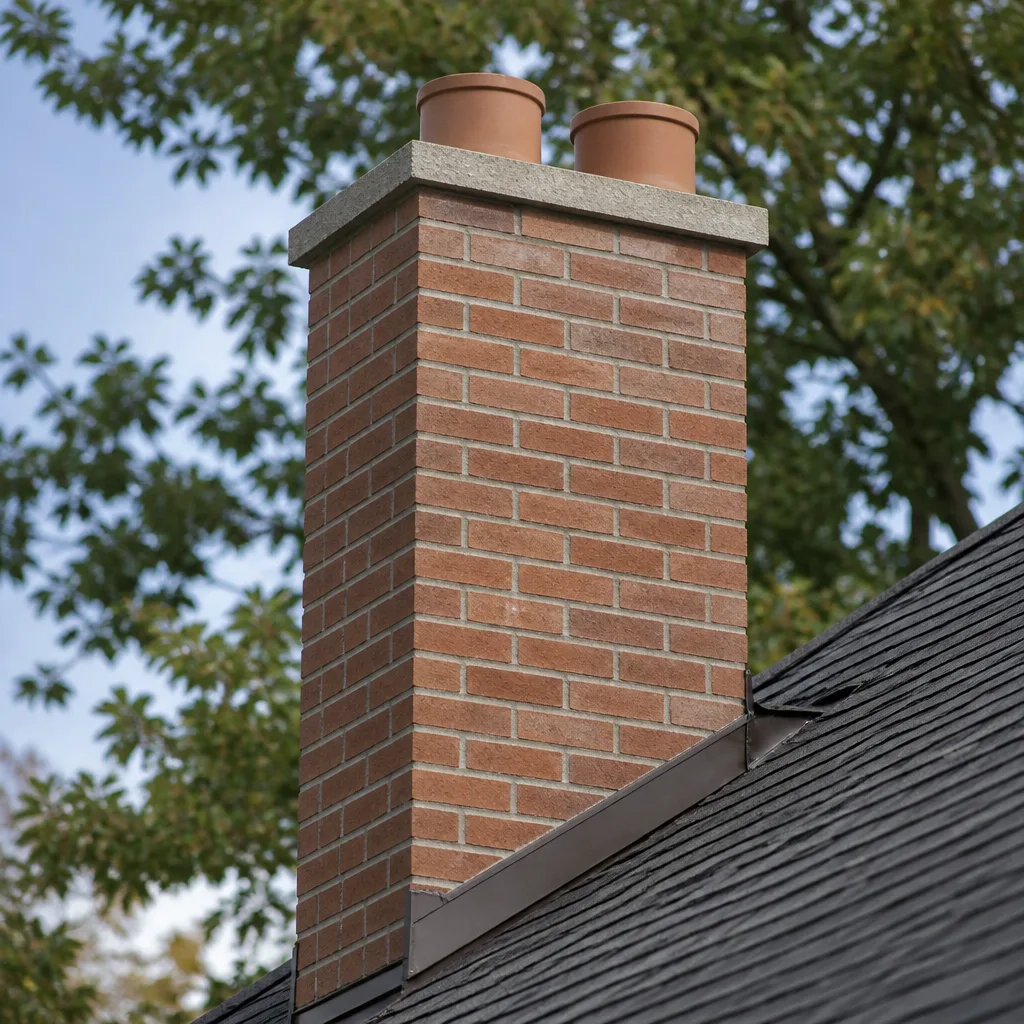 Masonry repair
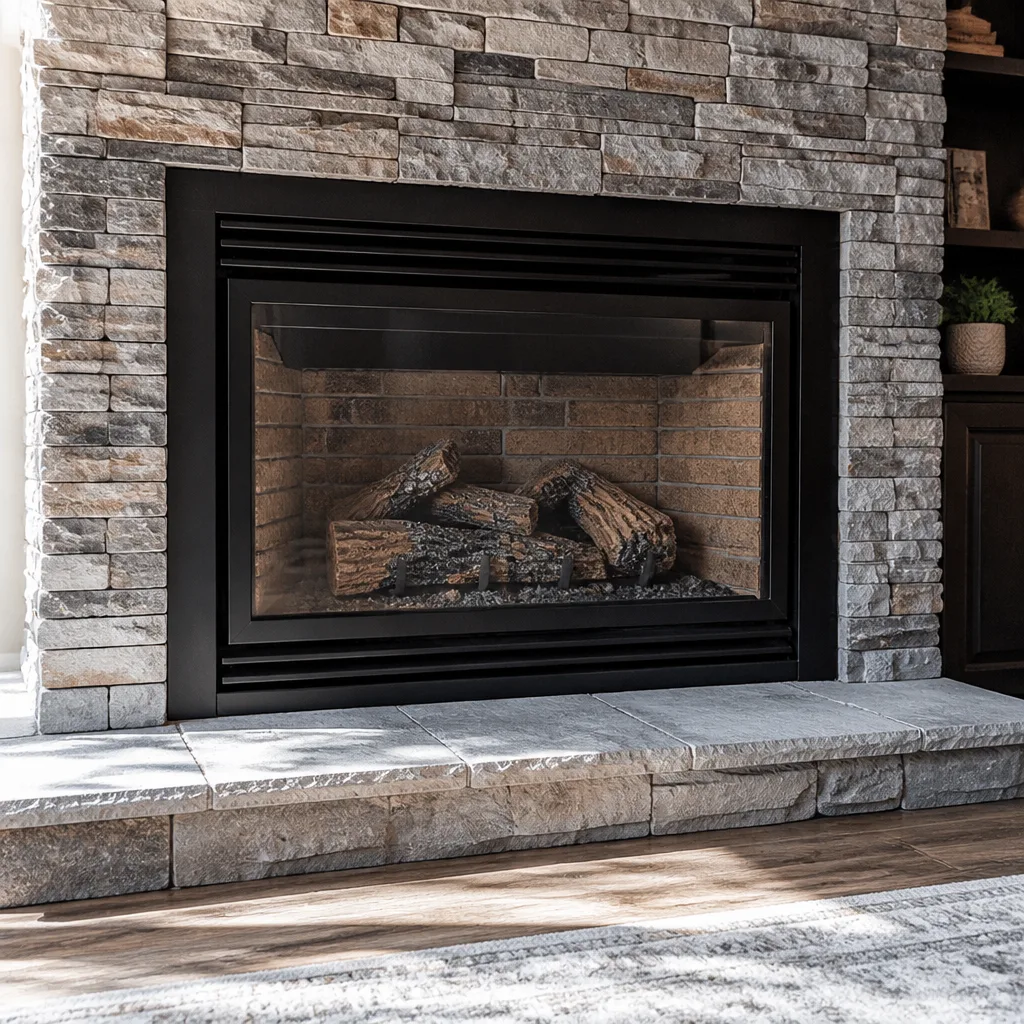 Gas fireplace service
Level 1 sweep and inspection to the NFPA 211 annual standard - flue, crown, cap, and flashing checked and photographed
Chimney sweep logs do not sweep chimneys. They loosen some creosote - which then falls where a brush and vacuum still have to collect it.
Chimney Cleaning Emergency Preparedness Guide for Provo Homes
Most homeowners in Provo believe a chimney fire announces itself with flames and noise, so a quiet fireplace means the flue is fine. That is the misconception we want to correct first. The majority of creosote fires smolder and choke themselves out inside the flue, and you may never know one happened until a later inspection shows the glazed, cracked liner. A chimney can fail quietly. Preparedness is not about waiting for drama, it is about catching trouble before it becomes an emergency. This guide shows you how to think about your chimney as a system, how to prepare before winter hits Provo, and what to do in the moments when something goes wrong.
Quick Answer
Emergency preparedness for chimney cleaning in Provo means three things: know the signs of a blocked or overheating flue before the season starts, keep a clean flue and a working cap and damper, and call a qualified sweep at the first warning sign rather than waiting for a fire. A sweep performed before burning season, along with a camera inspection, is the single most effective way to prevent a chimney emergency in a Provo home.
Styles & brands we work with
- Sweep & inspection
- Caps & crowns
- Flue relining
- Masonry repair
- Gas fireplace service
Table of Contents
- Why Provo’s Climate Makes Chimney Preparation Different
- Creosote: The Quiet Reason Chimney Fires Start
- Blockages, Birds Nests and Caps That Fail in Provo Weather
- A Provo Pre-Season Chimney Checklist
- Recognizing a Chimney Emergency While It’s Happening
- Your Dryer Vent Is Part of the Same Emergency Plan
- When Cleaning Stops Being Enough: Repair Before Failure
- Documentation Your Insurance Company Will Actually Accept
Why Provo’s Climate Makes Chimney Preparation Different
Provo sits in a valley with cold, still winters and a spring and summer that swing hard between warm afternoons and cool mornings. That mix drives how a chimney actually behaves. When homes heat up during the day and drop sharply at night, a masonry chimney expands and contracts with it, and the mortar joints feel that movement over the years. Add the valley’s winter inversion periods, when the air is heavy and smoke hangs low, and a chimney that drafts poorly becomes a problem you notice immediately.
What does that mean for you? Three things specific to homes here:
- Cold starts strain the flue. Provo winters push furnaces and fireplaces into frequent cold-start cycles, and each cold start produces more creosote in the first few minutes than a warm, steady burn produces all evening.
- Valley inversions can back-draft. On heavy-air days, smoke that has nowhere to rise can spill into the room. A partially blocked flue makes it worse.
- House-tight construction traps combustion gases. Newer and weatherized homes in Provo seal air leaks well. That’s good for heating bills and hard on draft, because a chimney needs make-up air to vent properly.
If your chimney has never been inspected since you moved into a home in the Grandview or Edgemont areas, a professional look is smart preparation, not an upsell. Our technicians have up to 15 years of experience reading exactly these local conditions. What they see tells them whether your flue is ready for the coming season.
Creosote: The Quiet Reason Chimney Fires Start
Creosote is the residue left behind when wood smoke cools on its way up the chimney. It comes in stages: a light soot that brushes off easily, a sticky tar that clings, and a hard, glazed deposit that is difficult to remove and burns hot. Glazed creosote is the fuel behind most serious chimney fires, and it is the reason a sweep is not an optional chore. The chimney that looks clean from the firebox may be lined with it twenty feet up.
Here is a comparison of what each stage means for your Provo home:
- Stage one (soot): removed by standard brushing, common after a season of occasional fires.
- Stage two (tar): sticky and flaky, needs more deliberate sweeping, often the result of burning damp wood or a slow, smoldering fire.
- Stage three (glaze): hardened and glassy, this is the deposit that feeds a chimney fire and usually requires chemical treatment or relining to fix properly.
The fastest way to avoid stage three is to burn seasoned wood and never let the fire smolder overnight with the damper half closed. If you already suspect glazed creosote has built up, brushing alone may not remove it. That’s where resurfacing comes in, and one reason our teams work with the HeatShield ceramic resurfacing system, which restores the flue surface rather than simply scraping it.
Blockages, Birds Nests and Caps That Fail in Provo Weather
A chimney fire is the emergency most people worry about, but a blocked flue is more common than a fire and just as dangerous. When exhaust can’t escape, it backs up into the room. The culprits are predictable: birds, squirrels, leaves, and the slow collapse of a cheap cap. Provo’s mix of wind and heavy winter snow takes its toll on exterior chimney caps and crowns, and a cap that has rusted through opens the door to everything that nests.
Walk outside and look at your chimney top before the season starts. You’re checking for:
- a rusted or missing spark arrestor screen
- a cap that is loose, bent or sitting off-center
- nesting material visible at the top of the flue
- crumbling mortar at the crown, which lets water in
If any of those are present, a proper Gelco or Famco cap and venting cover restores the exterior termination. These are not generic hardware-store parts; they are designed to shed water, resist weather, and keep animals out. A new cap is one of the least expensive ways to prevent a chimney emergency, and it’s part of the full-system check we perform on a Provo home.
A Provo Pre-Season Chimney Checklist
The best time to prepare for a chimney emergency is before the first cold snap in Provo, not after. Follow these numbered steps each fall. They take less than an hour and prevent most of the problems we’re called about all winter.
- Schedule a sweep before you light the first fire. Book early in the season so the flue is cleaned and inspected before it carries any load.
- Look at the exterior. Check the cap, crown and any visible cracks from the ground and from a safe vantage. Never climb onto the roof yourself.
- Test the damper. Open and close it fully. It should move smoothly and stay where you leave it.
- Check for smoke spillage. On a cold, still day, light a small test fire and watch for smoke rolling back into the room. That’s a draft or blockage signal.
- Confirm your smoke and carbon monoxide detectors work. Chimneys vent combustion gases, and CO is the hazard you can’t see.
- Clean the firebox and ash pit. A heavy ash bed restricts airflow and makes for a cooler, dirtier fire.
- Have the flue inspected with a camera. A visual check from the firebox misses cracks partway up the flue. Camera inspection finds them.
If you’d rather hand this checklist to someone who does it every day, a professional chimney sweep covers cleaning, inspection and the exterior check in one visit. That’s the whole point of cleaning, inspecting and repairing in a single trip.
Recognizing a Chimney Emergency While It’s Happening
Chimney emergencies don’t always look like a movie. A real chimney fire can sound like a low roar, a whistle, or a crackling that seems louder than the fire below. You might see thick black smoke from the chimney top, or a puff of sparks. Inside, you may notice a hot smell, the damper or surrounding metal warping, or smoke backing into the room. Here is how to sort the warning signs quickly:
- Roaring or whistling sound in the flue: possible fire, treat it as one.
- Dense smoke or sparks from the top: fire, not just a dirty chimney.
- Smoke rolling into the room with a normal fire: draft or blockage.
- Strong creosote or burning-paint smell: overheating or fresh deposits igniting.
- A headache, dizziness or nausea in the home with the fireplace in use: possible carbon monoxide, leave and call for help.
What to do: if you suspect a chimney fire, get everyone outside, call 911, and don’t re-enter until cleared. If it’s smoke spillage without fire, put the fire out if you can do so safely, then open a window and let the flue settle. Do not try to extinguish a flue fire from the roof. Once the immediate danger is past, you need a professional inspection to see what the flue survived. Chimneys that have had a fire may need relining. Our teams work with DuraFlex stainless-steel liner systems to reline a damaged flue when cleaning alone won’t make it safe.
Your Dryer Vent Is Part of the Same Emergency Plan
Most homeowners plan for their chimney and forget the other flue in the house. The dryer vent is a ventilation channel that carries hot, moist, lint-laden air out of your home, and it clogs the same way a chimney does. Per NFPA data, lint buildup in a dryer vent is one of the leading causes of residential structure fires. In a Provo home that runs a dryer several times a week, that vent deserves the same attention the chimney gets.
What to watch for:
- clothes that take longer than usual to dry
- the dryer feeling hot to the touch or the outside of the machine warm
- a lint screen that fills quickly with a lot of lint
- a flap on the outside wall that doesn’t open fully or stays clogged
- a musty or burning smell near the dryer
Schedule dryer vent cleaning on the same kind of preventive calendar you use for the chimney. It’s one call to fix both, and our teams install Gelco and Famco venting components to keep the exterior termination code-compliant and weather-tight. Neither system should be a surprise later.
When Cleaning Stops Being Enough: Repair Before Failure
Sweeping keeps a flue usable. It does not restore one that has cracked mortar, a warped liner, or a crown that’s letting water in. The difference matters because a hairline crack in a clay flue tile can let heat reach the wood structure around the chimney. Emergency preparedness means repairing before the failure, not after it.
Watch for these repair signals:
- crumbling or missing mortar inside the firebox
- shaling or flaking in the flue tiles
- rust on the damper or firebox metal
- water stains or efflorescence on exterior brick
- a crown that has pulled away from the flue
Most people who learn they need repair work are handed a phone number for another contractor. Our approach is to clean it, inspect it and, where it makes sense, repair it in the same visit. HeatShield resurfacing repairs cracked or deteriorating mortar joints, and DuraFlex lining restores damaged flues. When it comes to sourcing components, we work with Olympia Chimney and Copperfield, established supply networks in this industry, so replacement parts are matched to the system rather than improvised. That means one visit can resolve the safety concern, not two.
Documentation Your Insurance Company Will Actually Accept
If a home inspector or insurer has flagged your chimney or dryer vent, you need more than a receipt that says “cleaned.” You need a record of what was found, what was done, and what is safe. This is where the camera inspection and photo report earn their keep. An inspection that documents the condition of the flue with images gives your insurance company something concrete to review.
What to keep on file:
- the inspection report with images of the flue interior
- the written estimate and the completed invoice for any repair
- photos of the cap, crown and exterior termination after service
- a record of the dryer vent cleaning if that was flagged at inspection
Homeowners in Provo often get this request during a real estate transaction, and having it ready saves weeks of back-and-forth. We build the report into the service, so there’s no second visit to gather paperwork.
Common Mistakes to Avoid
- Waiting for a chimney fire to book a sweep. The entire value of preparation is being early. A quiet fireplace that hasn’t been swept in a while tells you nothing about the flue.
- Burning unseasoned wood in Provo humidity swings. Wood that sat through a wet spring still holds moisture. Wet wood smolders, and smoldering wood lays down creosote faster than anything.
- Assuming a cleaning receipt proves the flue is safe. Cleaning removes deposits; it doesn’t inspect for cracks. Ask for a camera inspection and photos.
- Ignoring the dryer vent. It’s a fire channel like the chimney, and it clogs quietly. Treat it with the same preventive schedule.
- Climbing onto the roof to check the cap yourself. Roofs in winter are slick, and a fall is a worse emergency than a blocked flue. Let a trained technician handle anything above the roofline.
- Running a fire with the damper half closed to “keep warm.” That’s the classic way to make glazed creosote. Burn a hot, clean fire and let the flue draft.
- Fixing a chimney problem with hardware-store parts. A generic cap or a patched crown may not hold through a Provo winter. Match the fix to the system.
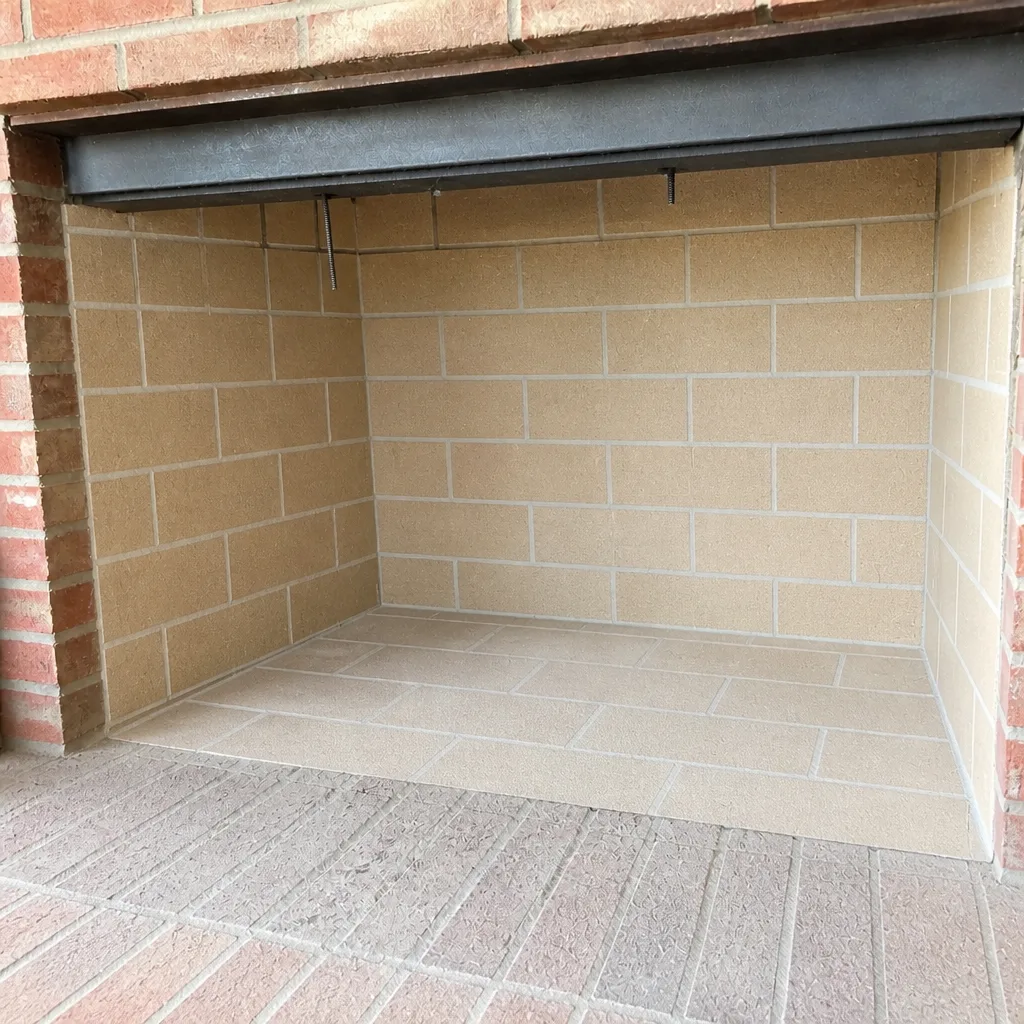
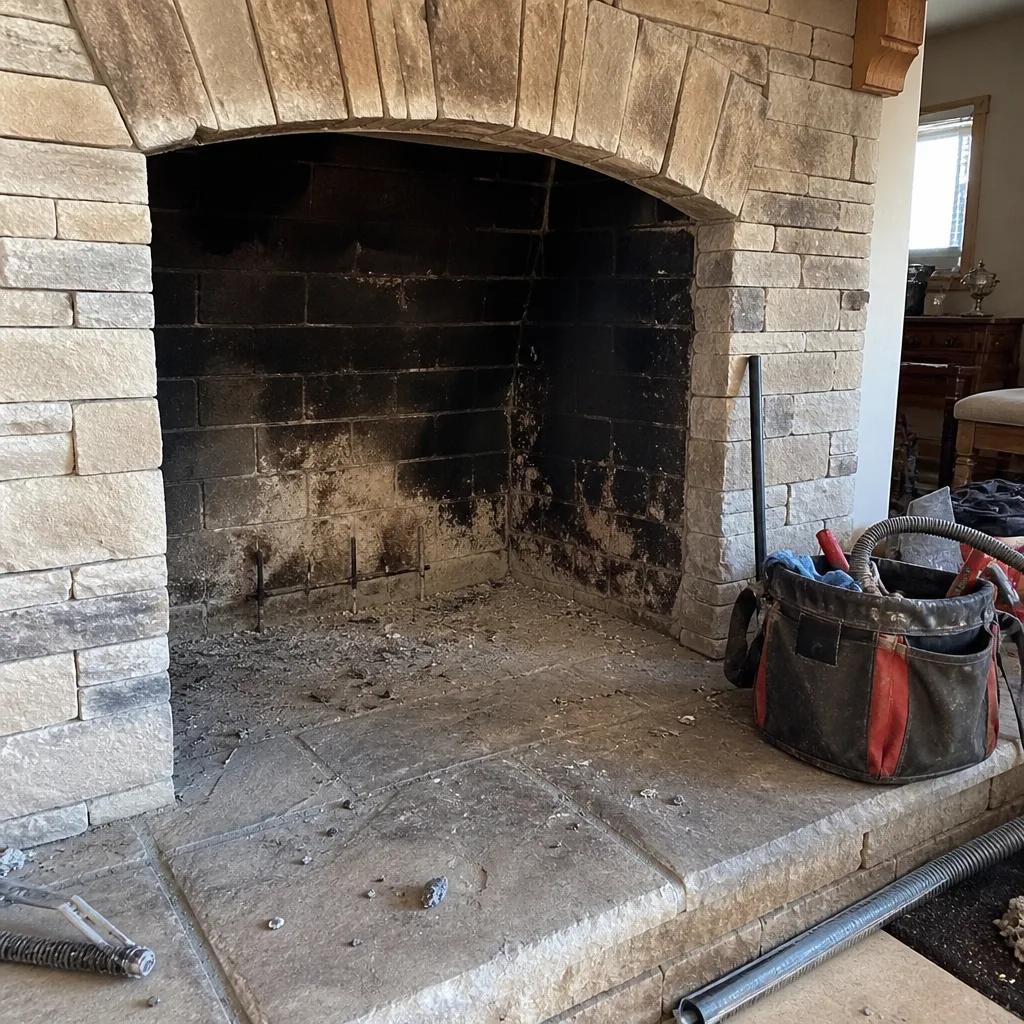
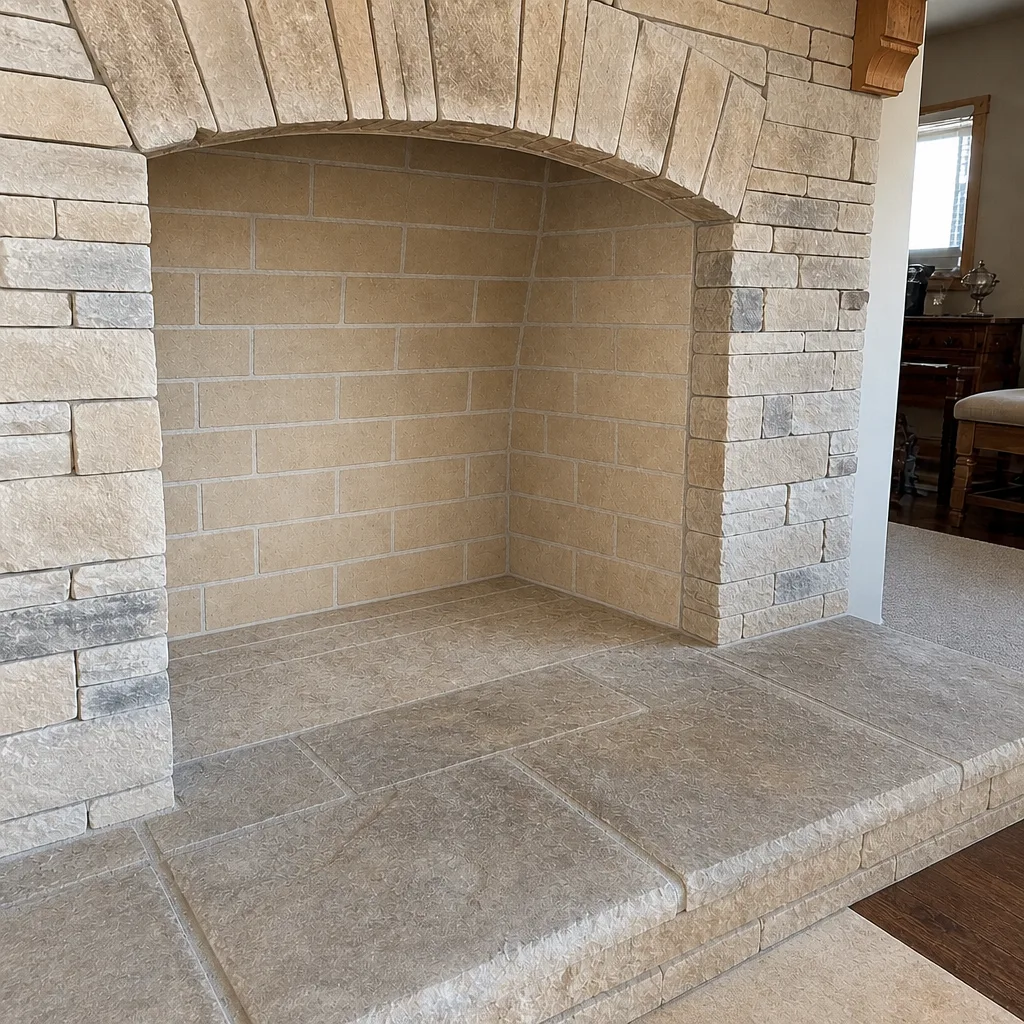
See the difference
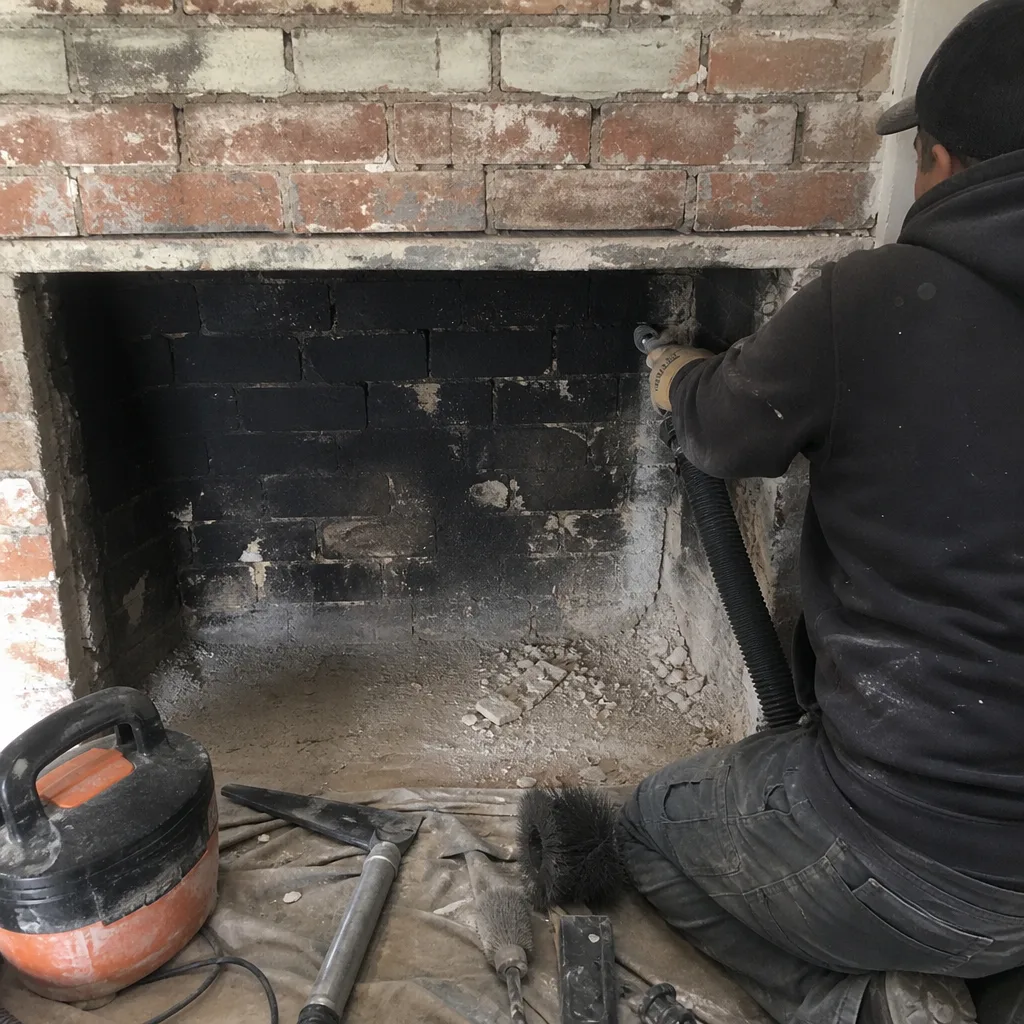 Before
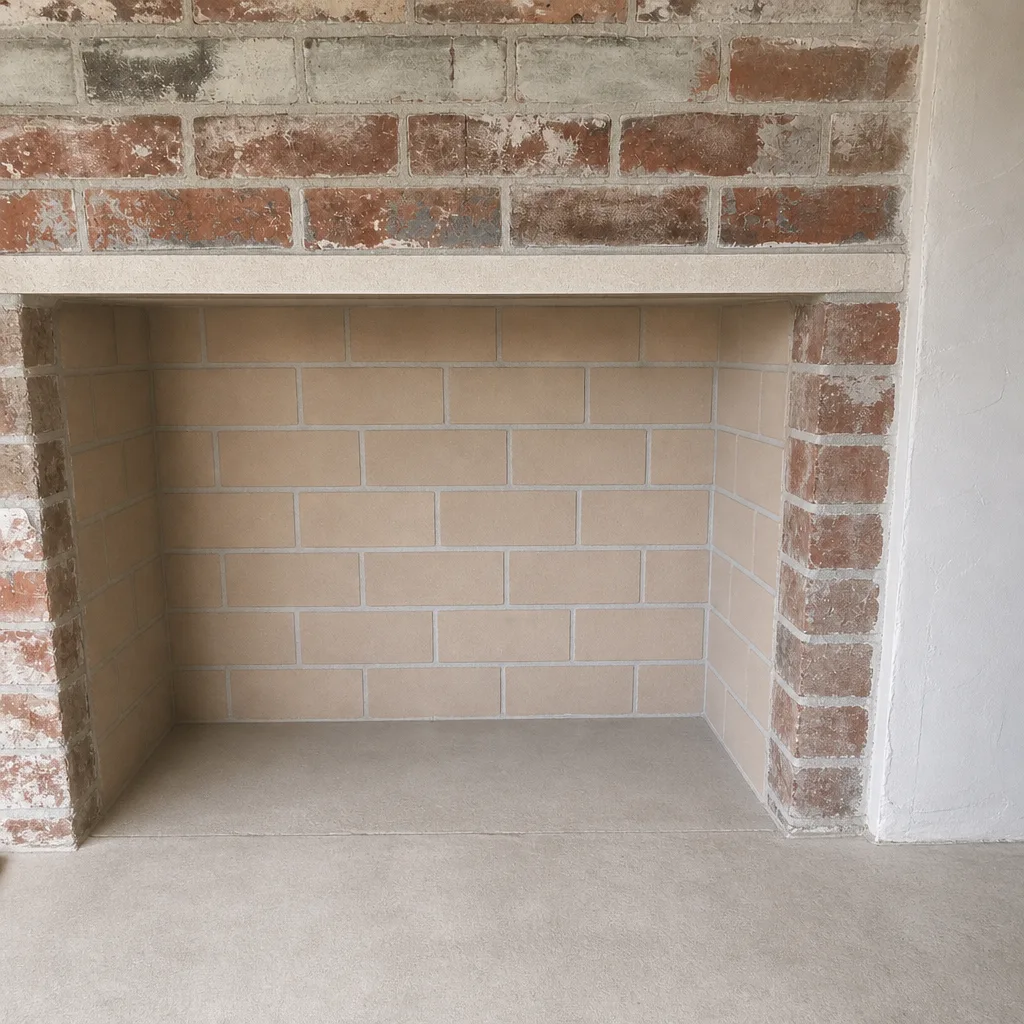 After
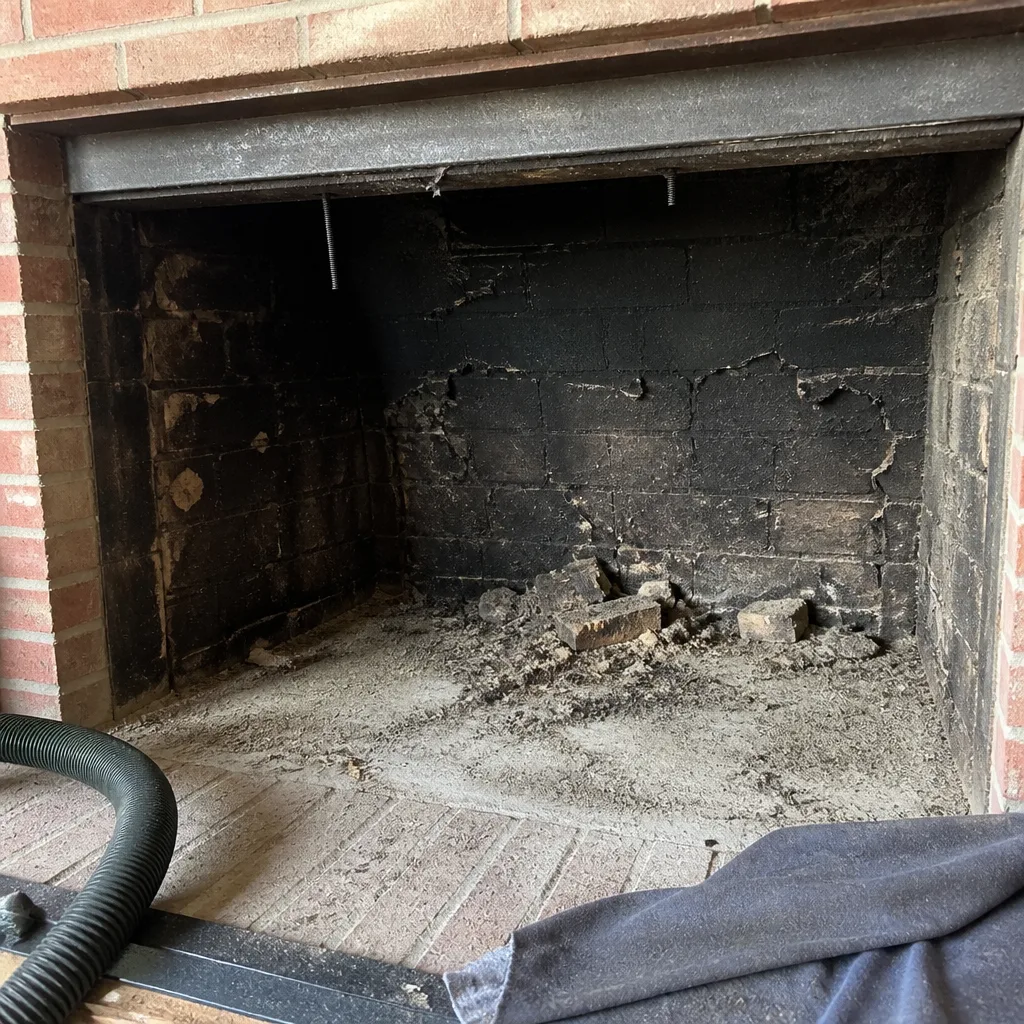 Before
 After
 Before
 After
When to Call a Professional
Call a professional if you’ve had a fire in the flue, if you see or smell smoke backing into the room, if your cap or crown is damaged, if a home inspector or insurer has flagged the chimney or dryer vent, or if it has simply been long enough that you can’t remember the last sweep. These aren’t DIY jobs. A chimney is a safety system that vents combustion gases, and getting it wrong puts the whole home at risk. Call a sweep at the first warning sign rather than waiting. Chimney Sweep Provo offers free estimates in Provo. Call (855) 340-2065. We answer 24/7. Fast dispatch from 7am to 7pm, Sunday through Friday. The written estimate sets the price, and the estimate itself is free.
Frequently Asked Questions
Annually, for most wood-burning fireplaces, and more often if you burn frequently or notice slow draft. A gas fireplace needs an annual inspection even when it doesn’t need sweeping. Our technicians have up to 15 years of experience reading how often a specific home needs service. Call (855) 340-2065 for an exact quote. Estimates are free.
Creosote builds up, and the flue becomes a chimney fire waiting for a spark. In the worst case, a fire damages the liner or reaches the structure around it. A blocked flue can also push carbon monoxide back into the home. None of that is rare. Sweeping is the small preventive step that avoids it. Call (855) 340-2065 to book before burning season. Estimates are free.
Yes. Many chimney fires smolder and choke themselves out inside the flue, so you may never see or hear them. What they leave behind is glazed creosote, cracked tiles or a warped liner. That’s why an inspection after any suspicious event, or as part of an annual sweep, matters. Call (855) 340-2065 for an inspection with camera photos. Estimates are free.
Not automatically. A liner needs replacing when a camera inspection shows cracked, shaled or deteriorated tiles, or after a chimney fire. A camera inspection tells you which you have, and you can see the photos yourself. Our teams use DuraFlex stainless-steel liner systems when relining is the answer. Call (855) 340-2065 for a free estimate on the inspection and any repair. The written estimate sets the final price.
It’s the same kind of problem in a different flue. Lint clogging a dryer vent is a leading cause of residential structure fires per NFPA data, and a clogged vent also wastes energy. Treat it on the same preventive schedule as the chimney. Call (855) 340-2065 to add it to your visit. Estimates are free.
Put the fire out if you can do so safely, open a window to clear the smoke, and stop using the fireplace until it’s inspected. Smoke backing up can mean a blockage or a draft problem, and both need a professional look. Call (855) 340-2065. We answer 24/7. Fast dispatch from 7am to 7pm, Sunday through Friday.
The Bottom Line
Chimney emergencies are mostly preventable, and the prevention is the same checklist every year: sweep before the season, inspect the flue with a camera, check the cap and crown, keep the dryer vent clear and repair what the inspection finds before it fails. Provo’s cold valley winters ask a lot of a chimney, and a home that’s prepared stays safe. The work is not complicated, but it does need a person who knows what they’re looking at. That’s a call, and it’s the best thing you can do for your chimney this year. And Provo homes deserve a straight answer about what’s safe and what can wait. If you’d like a starting point, begin with Chimney Sweep Provo and a free estimate. Call (855) 340-2065. We answer 24/7. Fast dispatch from 7am to 7pm, Sunday through Friday.
Written by the team at Chimney Sweep Provo.