
Last updated November 15, 2026
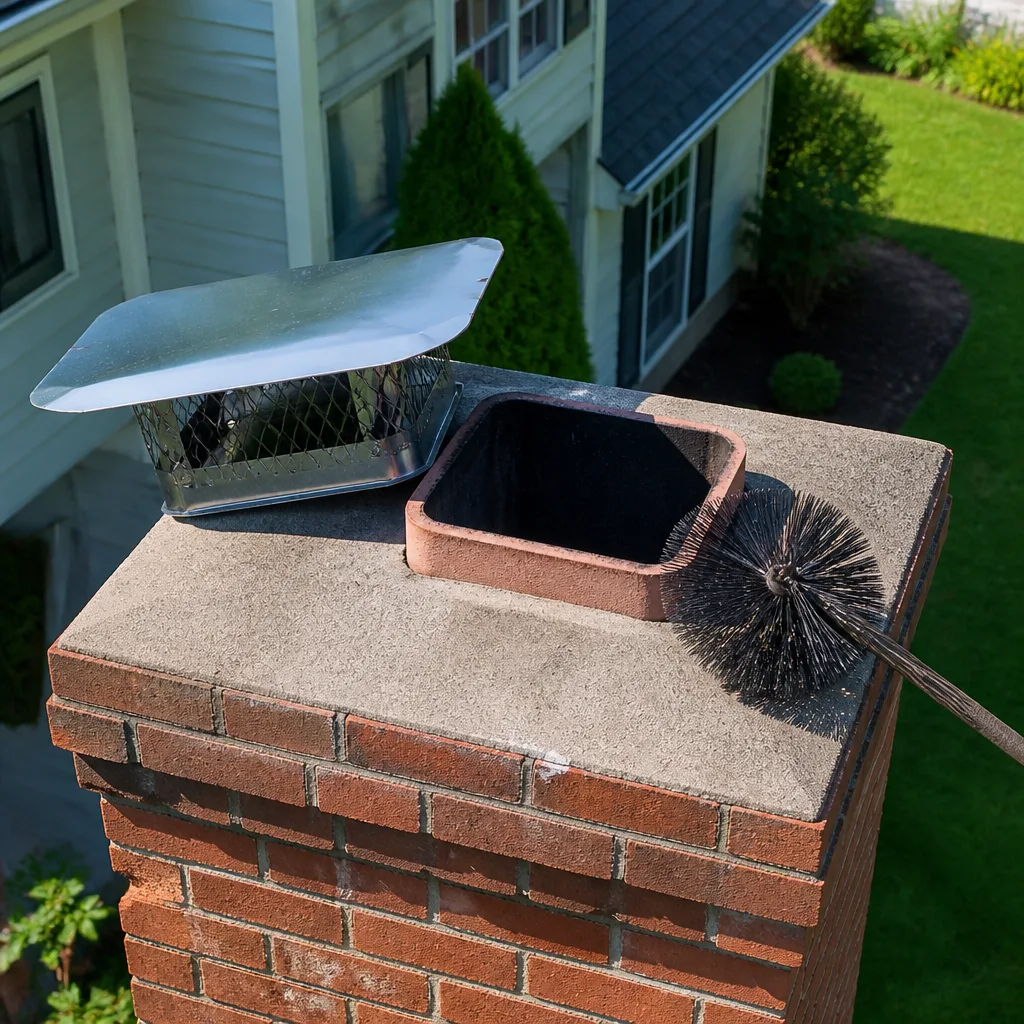 Sweep & inspection
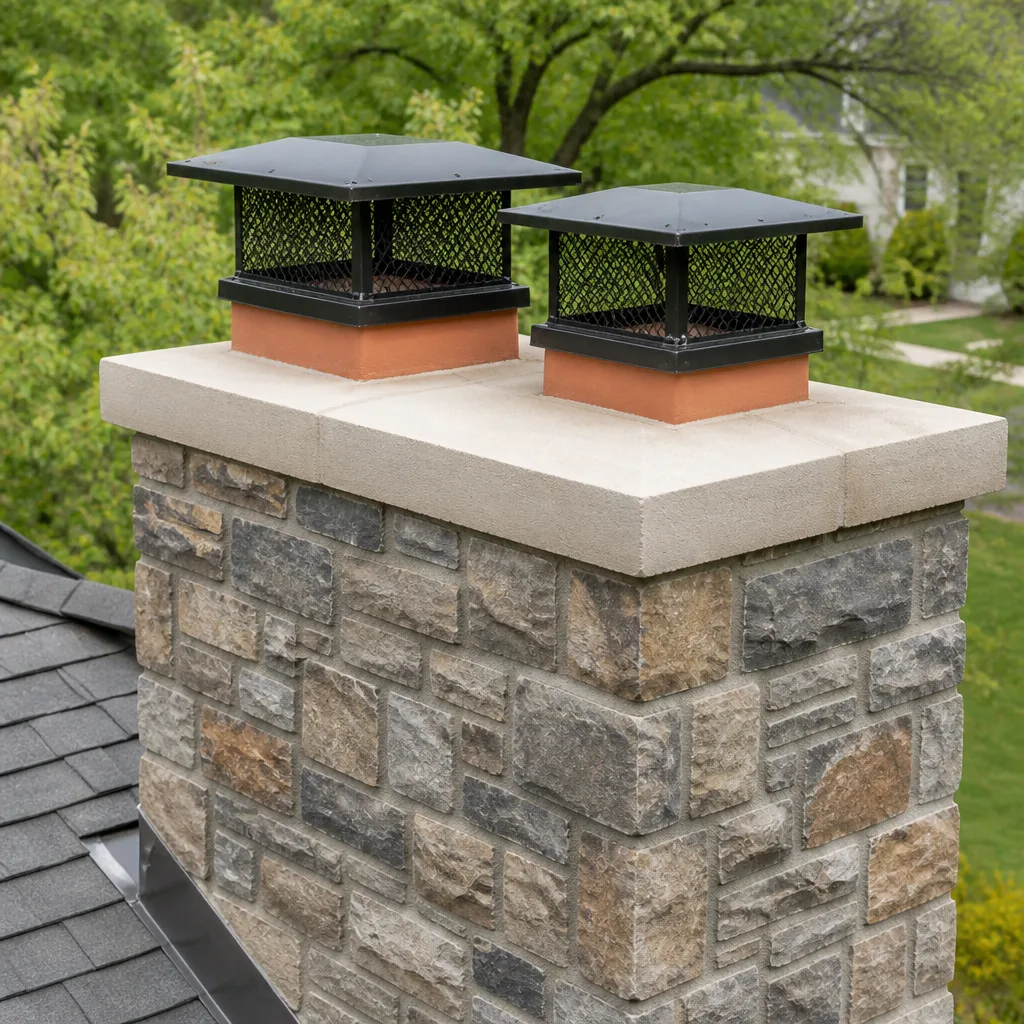 Caps & crowns
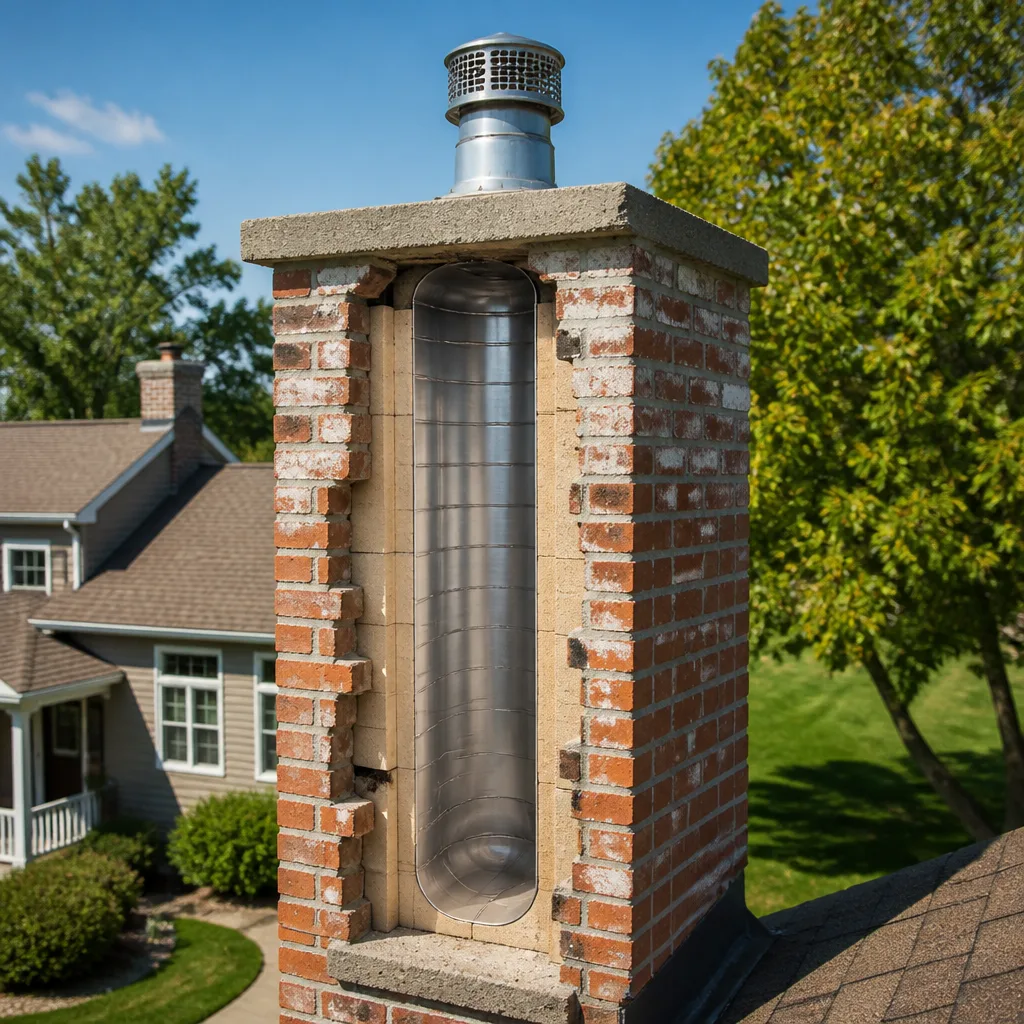 Flue relining
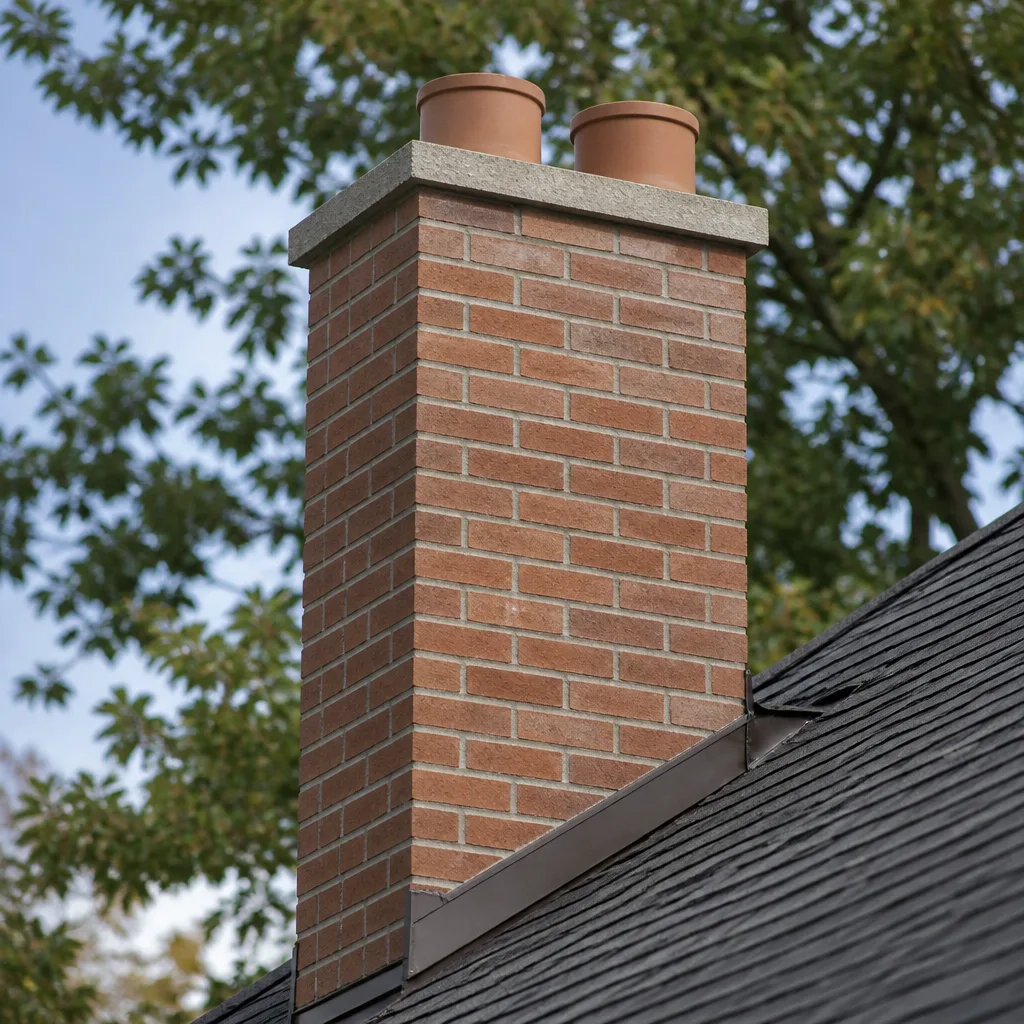 Masonry repair
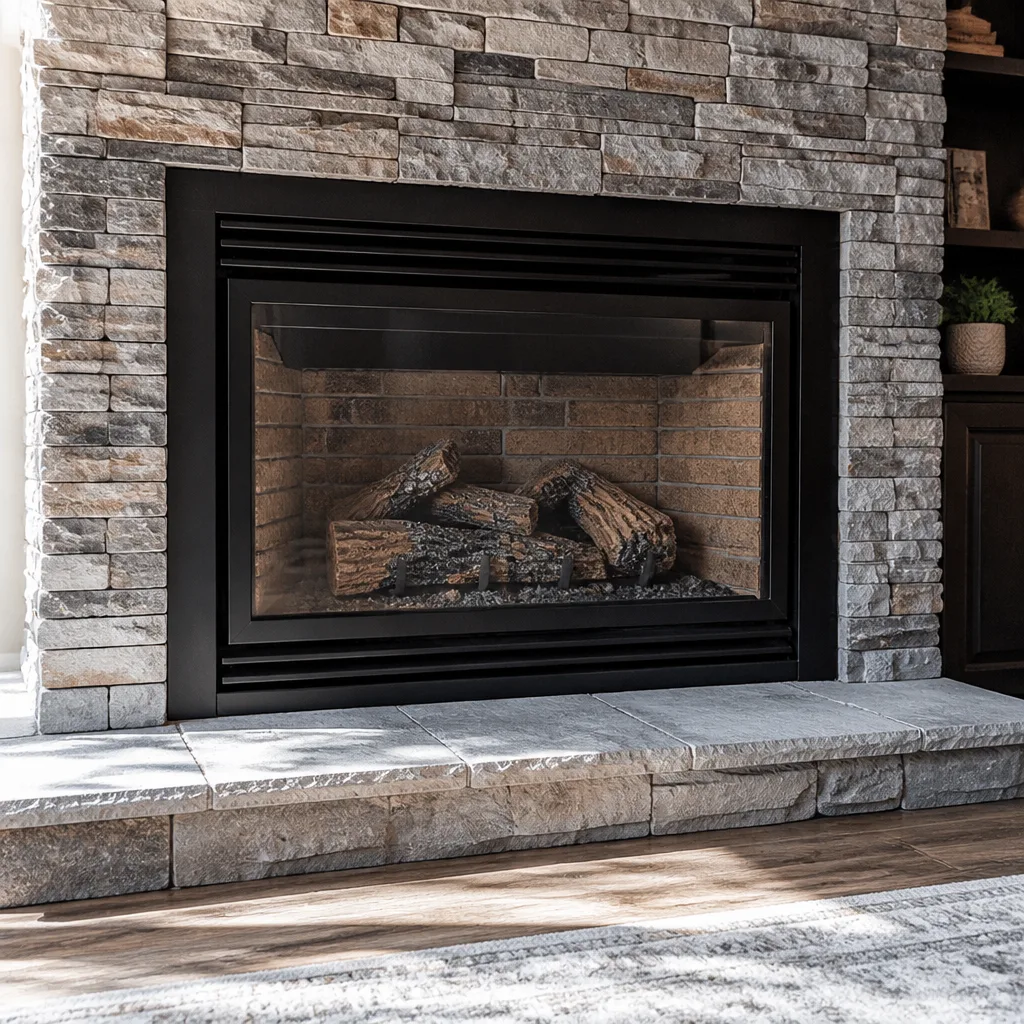 Gas fireplace service
Level 1 sweep and inspection to the NFPA 211 annual standard - flue, crown, cap, and flashing checked and photographed
Chimney sweep logs do not sweep chimneys. They loosen some creosote - which then falls where a brush and vacuum still have to collect it.
Chimney Sweep Troubleshooting in Provo: Common Problems and How to Fix Them
If your fireplace smokes into the room after a cleaning, the sweep probably didn’t fail. Your diagnosis did. A sweep removes creosote and ash, and that’s it. It doesn’t repair a collapsed liner, open a blocked damper throat, or solve the negative air pressure that tight, modern homes in Provo create when the furnace kicks on. We’ve watched homeowners pay for a second and third cleaning chasing a problem that was structural the whole time. This guide teaches you to read the actual symptoms (smoke rollout, white staining on the masonry, a summer smell that won’t quit) and match each one to the repair it needs, not just another brush-down. By the end you’ll know what’s worth fixing, what can wait, and when to stop guessing and get someone qualified on the roof.
Quick Answer
Most chimney problems in Provo aren’t cleanliness problems – they’re draft, moisture, or structural failures that a sweep can’t fix. Smoke rolling into the room usually means negative pressure or an obstruction, white staining means active water intrusion, and a summer smell usually means downdraft plus moisture rather than leftover soot. A qualified inspection tells you which one you’re dealing with, and the right fix is specific to that cause, not a generic cleaning.
Styles & brands we work with
- Sweep & inspection
- Caps & crowns
- Flue relining
- Masonry repair
- Gas fireplace service
Table of Contents
- How to Narrow Down What’s Actually Wrong
- Draft Problems vs. Physical Obstructions: Different Fixes Entirely
- What Efflorescence Really Tells You About Moisture
- The Three Creosote Stages and Why Stage 3 Changes the Plan
- Summer Smoke Odor: Downdraft and Moisture, Not Dirt
- High-Altitude Combustion and When to Recalculate Flue Sizing
- Symptom-to-Repair Match-Up
- Why Provo Homes Run Into These Problems More Often
How to Narrow Down What’s Actually Wrong
Troubleshooting starts with symptoms, not with a guess about the fix. Before anyone climbs on the roof, we want to know what the fireplace actually does on a cold morning, what it does on a warm one, and whether the behavior changes when the kitchen exhaust fan runs. That last detail alone separates a lot of Provo draft complaints from genuine blockages.
Here’s how we walk a homeowner through the first pass. You can do these steps yourself safely, without touching the flue interior or removing anything:
- Note when it smokes. Only on startup? Only when the furnace runs? Only on windy days from a particular direction? Each pattern points somewhere different.
- Check the damper. With a flashlight, confirm the damper plate opens fully and the linkage isn’t stuck halfway. A partially open damper acts like a throttle on the whole system.
- Look at the firebox. Soot patterns, white powder, cracked firebrick, or a crumbling mortar joint all get written down before any sweeping happens.
- Step outside. From the yard, note whether the cap is intact, whether the chimney is taller than nearby rooflines and trees, and whether the crown looks cracked.
- Test the pressure. On a cold day, crack a window near the fireplace a half inch and light a small fire. If the smoke behavior improves, you’ve found a negative pressure problem rather than a blocked flue.
Those five observations cover most of what a technician needs to know before opening a single access panel. If the answers point to a blockage or damaged interior liner, the rest is inspection work. Family Room or Lakeview Park, the questions are the same. For a deeper walk through what a proper service visit involves, our chimney sweep page lays out the full process.
Draft Problems vs. Physical Obstructions: Different Fixes Entirely
A draft problem and a physical obstruction can both fill your living room with smoke, but they are not the same thing and the repair isn’t the same thing either. Treating one as the other is the most common mistake we run into in Provo homes.
An obstruction is something physically in the way: a bird’s nest, a collapsed flue tile, a leaf mat, soot fallen off the walls in a chunk, a broken damper plate sitting cocked. Draft problems are about air movement and pressure. The flue is clear, but the house is pushing air down the chimney or the chimney isn’t tall enough to overcome the competition.
Signs you’re dealing with an obstruction:
- Smoke that has gotten consistently worse over weeks or months, not situationally
- A smell that’s present even when the fire isn’t lit
- Visible debris in the firebox or on the smoke shelf
- A completely dead draft – no reverse whoosh even with a lit match near the damper
Signs you’re dealing with a draft problem:
- Smoke only on startup, then the fire settles
- Smoke when exhaust fans, dryers, or bathroom vents run
- Worse performance in a tightly weatherized home
- Stronger backdraft on windy days, or when the outdoor temperature is mild
The fixes are completely different. Obstructions get cleared, then inspected with a camera to confirm nothing was damaged on the way down. Draft problems get solved with pressure corrections (a supply-air path or a make-up air source), a flue extension, or a top-mount damper. In our experience, energy-efficient Provo homes that were tightened up during a remodel are the classic draft case. The same house that heats efficiently in January will fight a fire in November because the envelope is doing exactly what it was built to do.
What Efflorescence Really Tells You About Moisture
White powder on your firebox brick or the outside of the chimney isn’t cosmetic. It’s efflorescence, and it means water is moving through the masonry and evaporating minerals on the surface. Cleaning it off and stopping there is like wiping up a leak and calling it fixed.
Efflorescence forms when moisture gets into brick or mortar, dissolves salts inside the material, and then migrates to the surface as it dries. The salt stays behind. You see it as a chalky white bloom, and it comes back after every wet season unless you cut off the water source.
Where the water usually comes from:
- A cracked crown. The concrete cap at the top of the chimney is the first line of defense. Hairline cracks let water straight into the flue tile joints.
- Missing or compromised cap and spark arrestor. Rain enters directly down the flue. A proper Gelco cap keeps it out without blocking draft.
- Failing mortar joints on the exterior. Water wicks in through the joints and travels sideways into the interior masonry.
- Porous brick without a proper coating. Unsealed masonry absorbs moisture in wet weather and dries inward as well as outward.
The fix for each source is different. A cracked crown gets a new crown or a crown coating, not a spot of caulk. Deteriorated joints are ground out and repointed, a job called tuckpointing. Porous surfaces get treated with a breathable water repellent, not a film-forming sealer that traps moisture and makes the problem worse.
We don’t recommend any of that until you’ve seen the evidence on camera and in photos. Interior efflorescence in a Provo home with a gas insert often points to a poorly sealed vent or a missing cap that nobody noticed from the ground. Once we can show you the source, the repair is straightforward.
The Three Creosote Stages and Why Stage 3 Changes the Plan
Creosote doesn’t arrive at the same density every time, and the stage it’s in determines what has to happen before a brush can do anything useful. Knowing the stage matters because a mechanical sweep on glazed creosote mostly polishes it.
The three stages:
- Stage 1: dusty soot. Light, fluffy, wipes off with a brush. Typical after a season of well-dried wood and hot fires. Standard sweep takes care of it cleanly.
- Stage 2: flaky or crusty creosote. Harder, sometimes curly or flake-like. A standard brush loosens it, but the flue surface underneath may need a second pass. Worth a camera inspection afterward to confirm nothing was missed in the corners.
- Stage 3: glazed creosote. A shiny, tar-like coating bonded to the flue tile. Brushes slide over it. This is the stage that creates the highest fire risk, and this is the stage where chemical treatment has to come before any mechanical cleaning.
Stage 3 is where we bring in a chemical treatment like Poultice Creosote Remover. The product soaks into the glaze and breaks the bond over time, so the hardened material can be removed with a proper sweep on a follow-up visit. Skipping the chemical step and going straight to the brush leaves the glaze in place, and the fire risk stays right where it was.
In our experience, glazed creosote is most common in Provo fireplaces where homeowners burn unseasoned wood, or where they routinely run the fire cool and smoky to make a load last. Both habits push creosote into the flue faster than a hot fire does. If your flue has gone shiny, don’t just have it swept and forgotten. Call (855) 340-2065 for an exact quote – estimates are free.
Summer Smoke Odor: Downdraft and Moisture, Not Dirt
That sharp campfire smell drifting out of a cold fireplace in July isn’t a cleaning problem. It’s a downdraft and moisture problem, and no amount of sweeping gets rid of it.
Here’s what’s going on. In summer, the outside air gets warmer than the air inside the flue. Warm air rises, but a cold flue that’s cooler than the outside air can actually reverse and pull air down the chimney into the house. That descending air carries creosote odor with it. Add some humidity in the flue, which releases even more smell from old creosote residue, and the whole living room turns into a chimney-scented room for a month in the middle of the summer.
The three fixes, in order of effectiveness:
- A top-mount damper. This is the big one. A top-sealing damper sits at the top of the flue and closes off the chimney completely when it’s not in use. It blocks the downdraft at the source, and it also stops summer heat gain and winter heat loss. It’s a substantial hardware job, not a quick add-on, and it’s the solution we reach for most often for a persistent summer smell.
- A proper cap. A Gelco cap sheds rain and blocks wind-driven precipitation. It won’t stop a downdraft on its own, but it will cut the moisture feeding the smell.
- Seasonal treatment of remaining creosote. After the flue is cleaned and the damper is installed, there’s nothing left to smell.
What doesn’t work: running a candle in the firebox, spraying air freshener nearby, or washing the firebox brick with vinegar. Those mask the smell for a day or two. The downdraft is still doing its thing. A top-mount damper stops the problem at the top of the flue where it starts. If a Provo home has a wood insert with a short flue, we check the termination and the cap before recommending a top-mount solution. Call us before summer if the smell turns up every July – it’s worth solving properly once.
High-Altitude Combustion and When to Recalculate Flue Sizing
Provo sits at a high elevation, and that changes how a chimney drafts. The thinner air at altitude means less oxygen per cubic foot and less thermal lift per degree of temperature difference. A chimney that performed beautifully at sea level can behave like a stubborn, lazy flue here.
What high altitude does to combustion:
- Less oxygen per cubic foot, so a fire needs more air volume moving through the firebox to burn the same amount of wood
- Reduced draft pressure because the density of the hot air column is lower
- A narrower window between too little draft (smoke, poor combustion) and too much (over-firing, wasted heat)
The result is that flue sizing rules developed for lower elevations don’t always translate cleanly. When we look at a Provo home where the fireplace has always been fussy (smoky on startup, slow to establish draft, sensitive to a little wind), we check the flue-to-appliance sizing.
You need a flue sizing recalculation when any of these is true:
- The fireplace was replaced or upgraded with a new insert or stove and the flue size wasn’t rechecked
- The appliance is a larger firebox than the existing flue can comfortably support at this elevation
- You’ve added a liner for a different appliance and the draft is now unpredictable
- The house was tightened, remodeled, or added a kitchen exhaust hood after the fireplace was installed
Recalculating isn’t guesswork. It’s a sizing exercise against the appliance’s requirements, current flue dimensions, and the chimney’s effective height. When the numbers point to a mismatch, a properly sized DuraFlex stainless liner is usually the cleanest correction. It brings the flue back to the dimension the appliance actually needs. For a full look at how a repair and reline assessment fits together, our Chimney Sweep Provo page covers the system-level side of the work.
Symptom-to-Repair Match-Up
Most homeowners don’t arrive at our phone line knowing what a “negative pressure issue” is. They know what their fireplace does. This table maps the symptom to the likely cause to the right response, so you can see at a glance where your problem sits.
- Smoke rolls into the room on startup, then clears: likely a mild draft problem or a partially open damper. Response: check damper, inspect cap and flue, consider a top-mount damper or make-up air. A cleaning won’t fix it.
- Smoke fills the room any time the kitchen exhaust or dryer runs: negative pressure in a tight home. Response: pressure test, air-path correction. Cleaning is irrelevant.
- White chalky stains on firebox or exterior brick: active moisture intrusion (efflorescence). Response: find and fix the water source, crown repair or tuckpointing, then waterproof the masonry.
- Shiny tar coating on the flue walls: Stage 3 glazed creosote. Response: chemical treatment (Poultice), then a proper sweep on the follow-up. Mechanical brushing first is a waste of money.
- Campfire smell in the fireplace in summer: downdraft from a reverse-flowing flue plus residual creosote moisture. Response: top-mount damper, proper cap, cleaned flue.
- Consistently lazy fire, slow draft, fussy behavior on mild days: flue-appliance sizing mismatch at altitude. Response: sizing calculation, possibly a resized DuraFlex liner.
- Smoke flowing down on windy days only: chimney termination problem or a shorter-than-roofline stack. Response: extend the flue or adjust the cap design.
Most of these are cheap to inspect and specific to fix. None of them are solved by a sweep alone, and all of them are solved faster when you know what you’re looking at before you call. If a technician can’t tell you which of these categories your symptom falls into after an inspection, it’s time to ask harder questions.
Why Provo Homes Run Into These Problems More Often
Provo presents a specific set of chimney conditions that most cities don’t. The combination of high altitude, cold winters, and a lot of energy-conscious remodeling over the past couple of decades sets up most of the problems in this guide.
Three reasons Provo homes land on this troubleshooting list more often:
- Altitude affects draft. The thinner air at Provo’s elevation reduces the natural draft a chimney generates, so flues that would work fine at sea level can struggle here. This makes sizing mismatches more common and more noticeable.
- Cold winters plus tight home envelopes create pressure competition. Homes that were weatherized for efficiency now pull air from wherever they can. A homeowner running a bath fan, a range hood, and a dryer during a fire has three exhausts competing with the chimney. The chimney usually loses.
- Long heating seasons wear on masonry. Provo’s winters put the chimney through freeze-thaw cycles that crack crowns, open mortar joints, and let water in. Efflorescence follows in the spring, and if it’s not addressed, the interior damage deepens over successive seasons.
Neighborhoods around the foothills see the freeze-thaw cycle a bit harder than the flatter parts of town, and older homes near downtown Provo tend to have thicker masonry with more moisture-invitation surface area than newer construction. That’s not a reason to panic. It’s a reason to check the crown and the mortar joints every spring rather than waiting for the fireplace to misbehave.
One more local factor: gas inserts. When a gas insert is installed in an old masonry fireplace without correctly addressing the venting, the moisture from the gas combustion condenses inside the flue. That moisture shows up as efflorescence months later. A proper inspection of the venting is part of the setup, not a luxury. Our Provo page has more on the local challenges on the ventilation side.
Common Mistakes to Avoid
- Calling for a sweep when the problem is a draft issue. In our experience, this is the single most expensive mistake a Provo homeowner makes. A sweep is the wrong service for negative pressure, and you can pay for two of them before anyone thinks to check the envelope.
- Wiping off efflorescence without finding the moisture source. The white bloom will return within a season, and the water is still doing damage underneath. Fix the crown, the cap, or the mortar joints before you scrub the surface.
- Brushing glazed creosote without chemical treatment first. A standard brush slides right over Stage 3 glaze. Chemical treatment like Poultice has to soften the coating first, then the sweep can remove it.
- Treating a summer fireplace smell as a cleanliness issue. Air fresheners, vinegar washes, and a fresh sweep won’t stop a downdraft. A top-mount damper will.
- Sealing exterior masonry with a film-forming waterproofer. That traps moisture inside the brick instead of letting it escape. Breathable water repellent is the right product, not the paint-on type from the hardware store.
- Ignoring flue sizing after an insert or appliance change. Putting a modern insert on a flue sized for a different appliance creates a draft mismatch that gets worse with altitude. Recalculate the sizing when the appliance changes, not three seasons later.
- Skipping the camera inspection. Smoke-style cleaning without a camera looks clean from the top but can miss cracked tile joints, gaps at the liner, and damage above the smoke shelf. The photo evidence is what tells you what’s actually happening inside the flue.
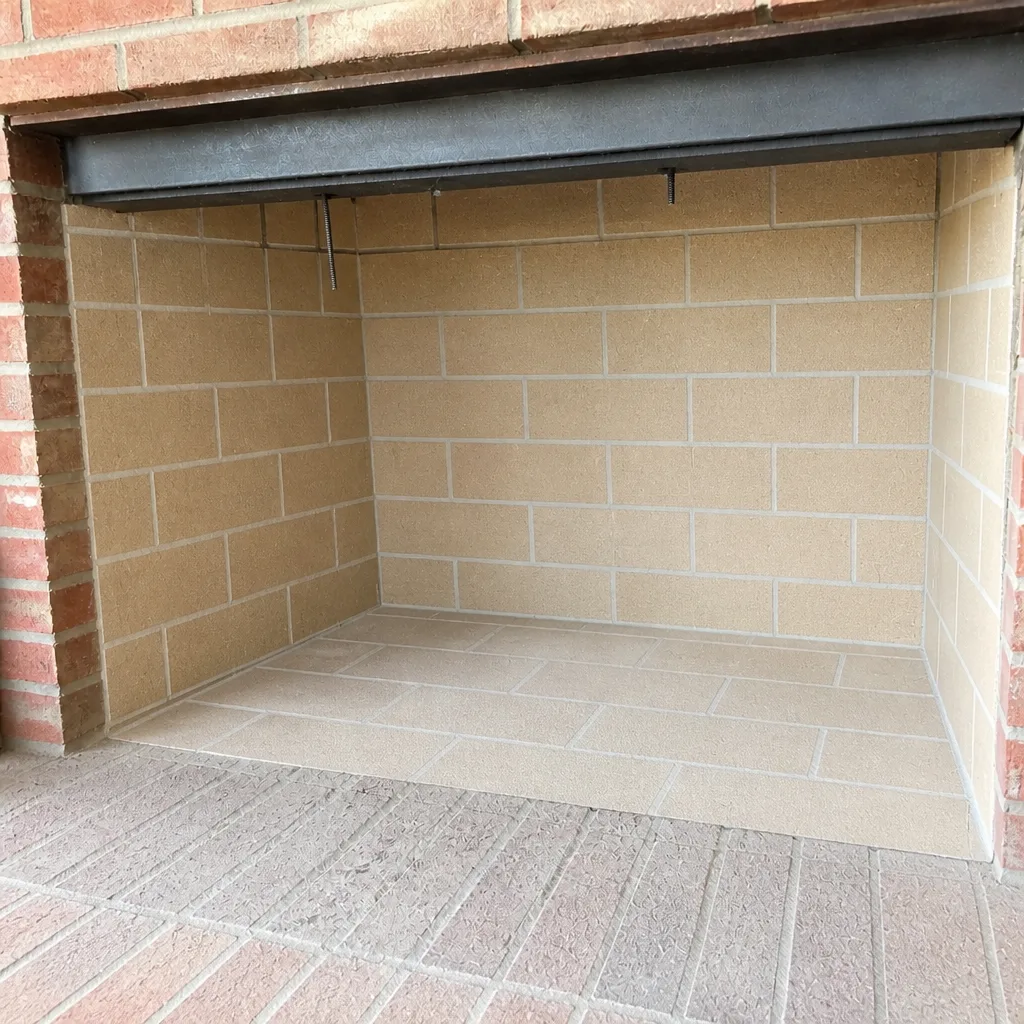
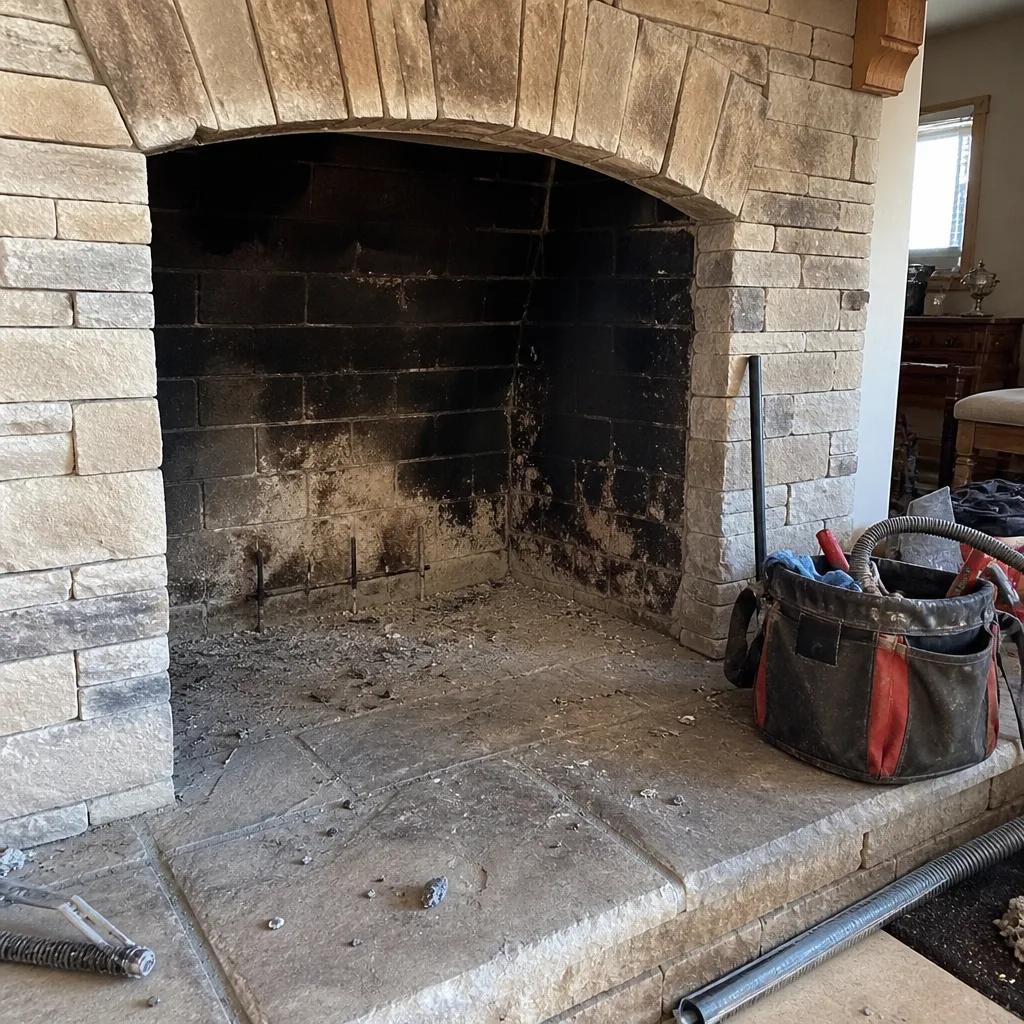
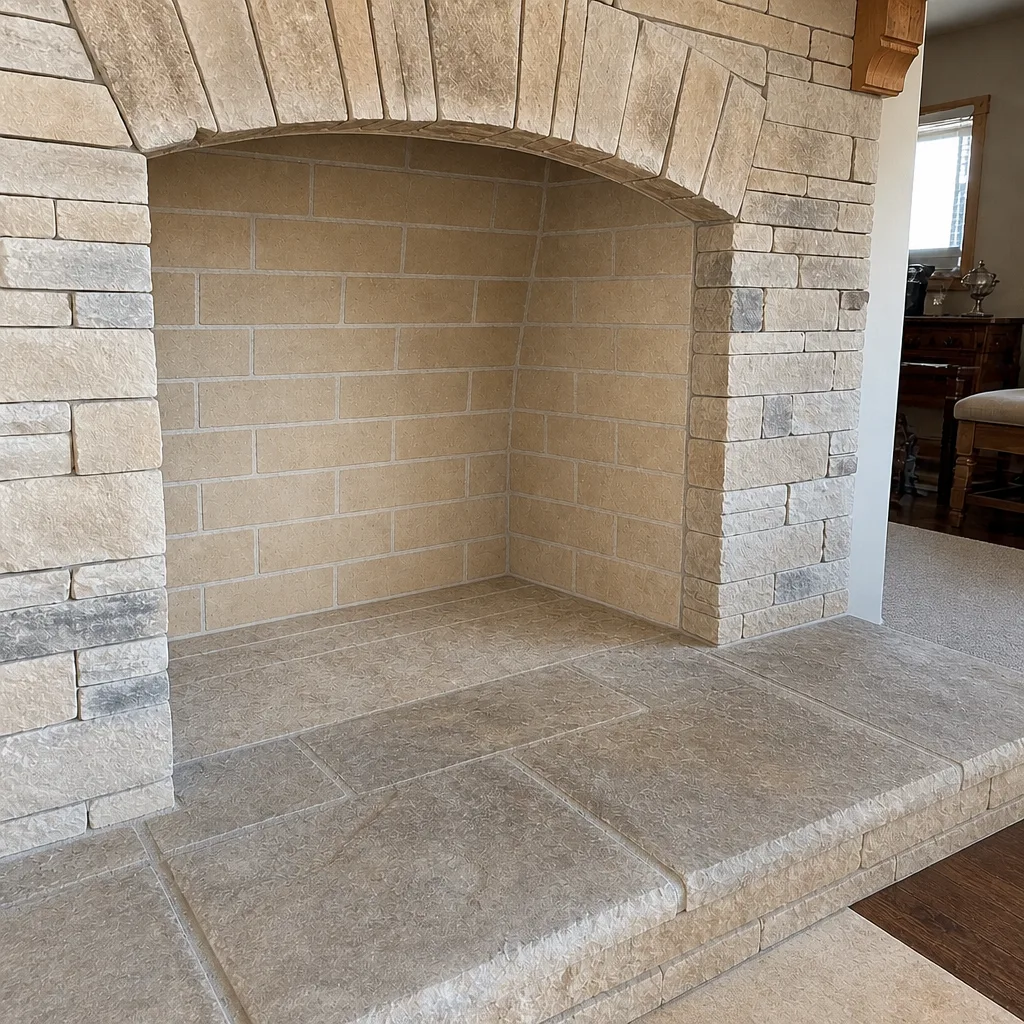
See the difference
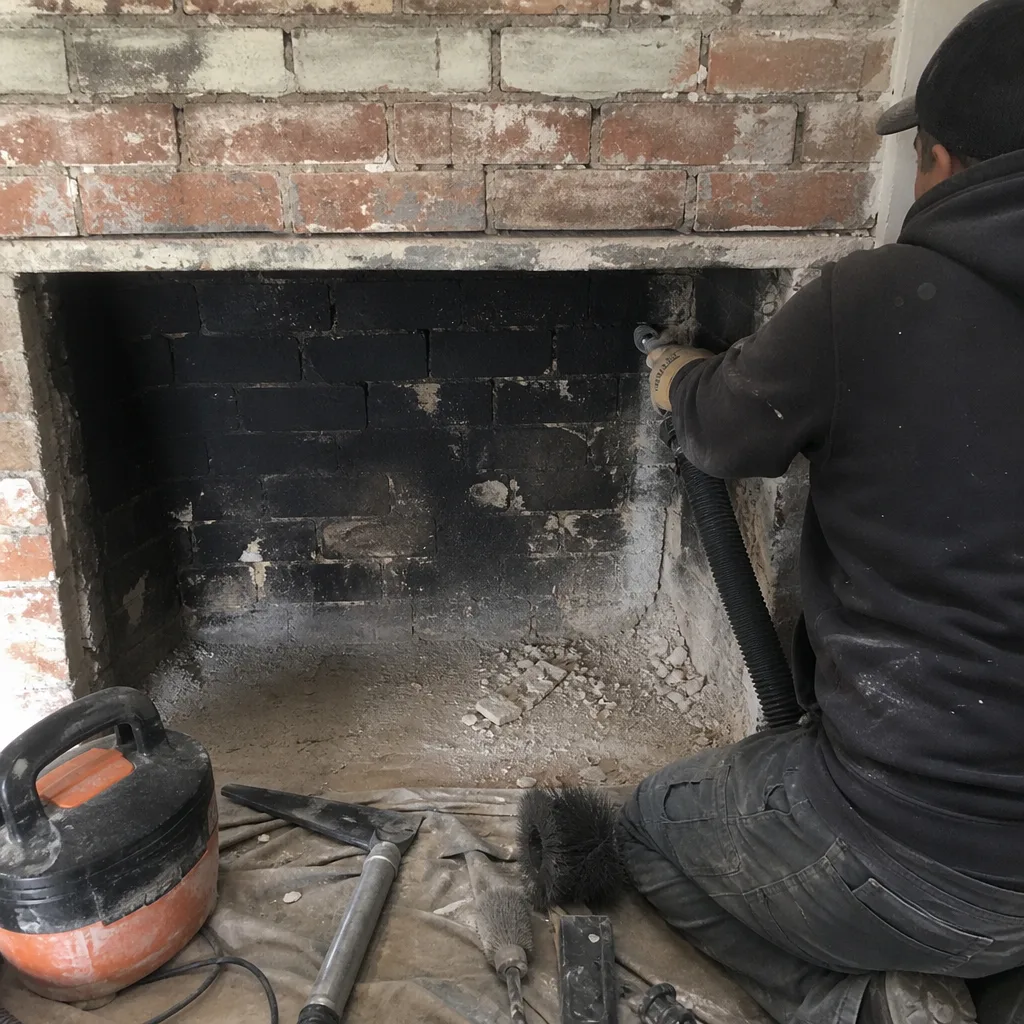 Before
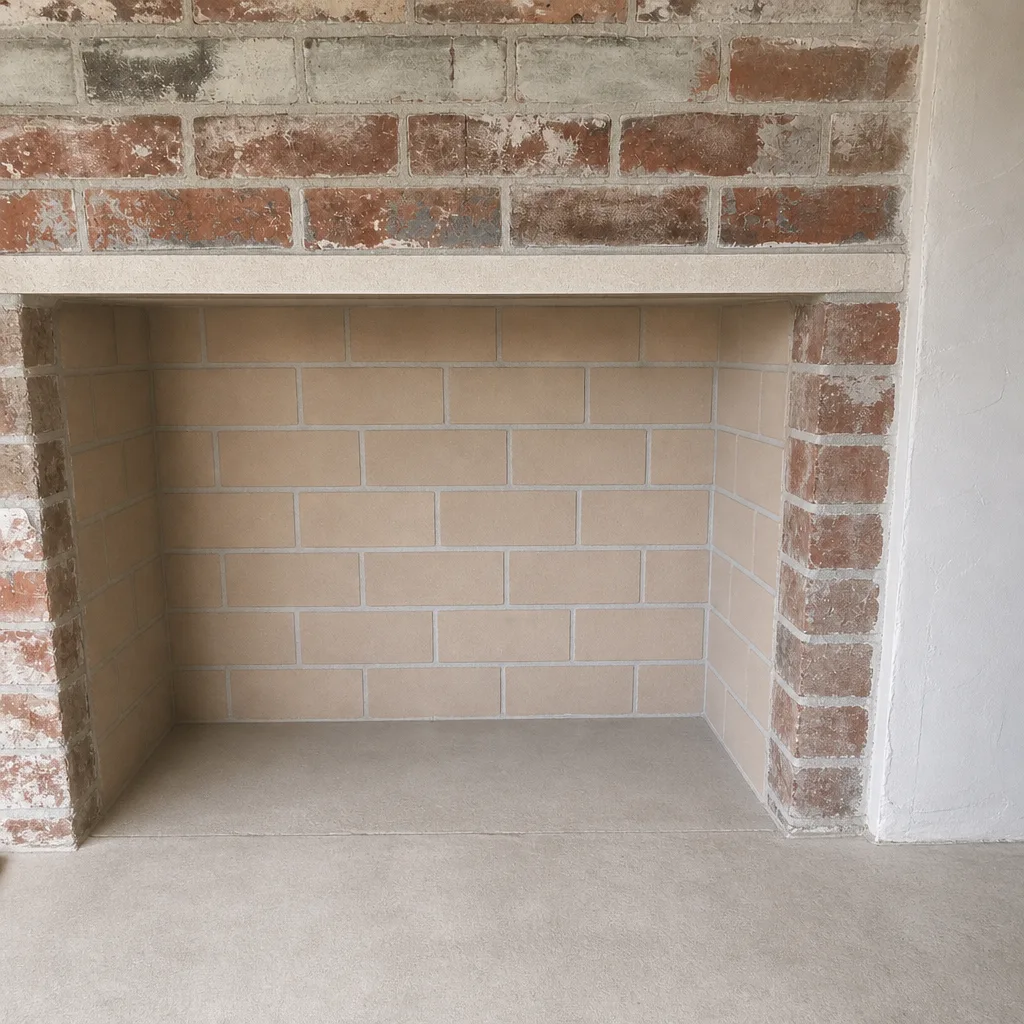 After
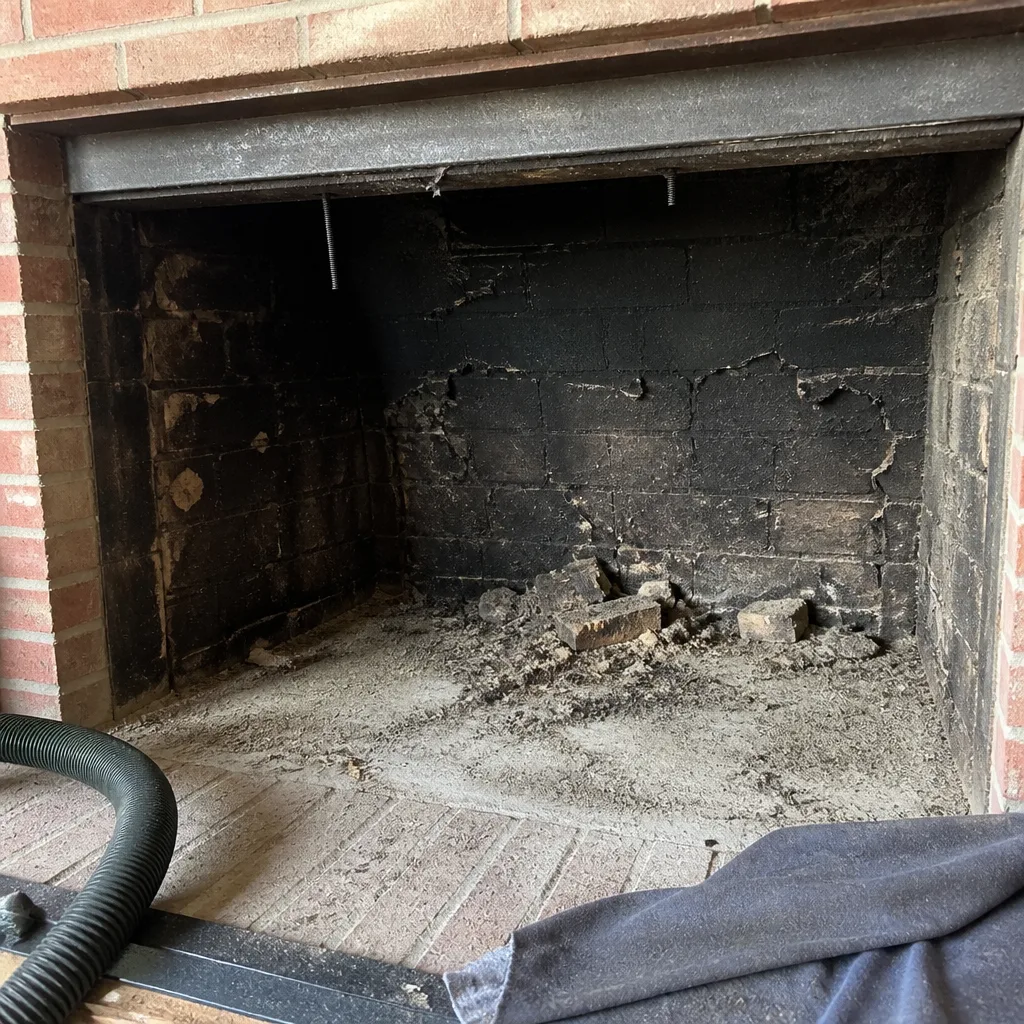 Before
 After
 Before
 After
When to Call a Professional
Call a professional when the symptom is beyond what you can verify from the firebox. Persistent smoke rollout despite an open damper, white staining that keeps returning after cleaning, a summer smell that turns up every year, a fire that’s been harder to light for a full season, or a home inspection report flagging a chimney issue are all cases for a trained technician with a camera and sizing tools. Don’t wait for a chimney fire or a carbon monoxide alarm to be the reason for a call.
Our technicians have up to 15 years of experience working with the specific conditions in Provo. Chimney Sweep Provo offers free estimates in Provo – call (855) 340-2065. We answer 24/7. Fast dispatch from 7am to 7pm, Sunday through Friday. The written estimate sets the final price, and nothing gets recommended without photo evidence you can see for yourself.
Frequently Asked Questions
Because the cause isn’t soot buildup. If the flue is clean and smoke still enters the room, the problem is almost always either a physical obstruction deeper than the brush reached (a broken damper plate, a collapsed flue tile) or negative pressure inside the house pulling air down the chimney. A sweep wouldn’t fix either one. The next step is a camera inspection plus a pressure test. Call (855) 340-2065 for an exact quote – estimates are free.
White powder on brick or firebox masonry is efflorescence, and it means water is actively moving through the masonry. Yes, you need a repair eventually – the question is which one. A cracked crown, missing cap, or failing mortar joints all cause it, and each has a different fix. Left alone, masonry damage deepens with every freeze-thaw cycle. Call (855) 340-2065 for an exact quote – estimates are free.
Stage 1 is dusty soot, Stage 2 is flaky or crusty, and Stage 3 is a shiny, tar-like glaze bonded to the flue tile. Stage 3 requires chemical treatment – Poultice Creosote Remover is the one we use – before any mechanical sweep, because a brush slides over glazed creosote without removing it. Skipping the treatment leaves the highest fire-risk coating in place. Call (855) 340-2065 for an exact evaluation – estimates are free.
Because the flue is reversing and pulling air down the chimney, and the moving air carries old creosote odor with it. Warm summer air outside the flue plus a cooler, more humid flue inside creates the downdraft, and it’s not a cleanliness problem. The most reliable fix is a top-mount damper that seals the flue completely when the fireplace isn’t in use. Call (855) 340-2065 for an exact quote – estimates are free.
Sometimes. High altitude reduces the natural draft a chimney can generate, so a flue sized for a different appliance or a different elevation can struggle to pull smoke up. If the fireplace has always been fussy, or if an insert or stove was swapped without rechecking the flue size, a sizing calculation is worth doing. It’s a straightforward measurement job and it tells you whether a properly sized DuraFlex liner is part of the answer.
Yes, if it hasn’t been done recently. Dryer vents carry lint and heat together, and a clogged vent is one of the leading causes of residential fires. Booking dryer vent cleaning on the same visit as the chimney inspection means one call covers the two fire-risk systems in the house. Call (855) 340-2065 for an exact quote – estimates are free.
The Bottom Line
Most chimney problems Provo homeowners chase with a sweep aren’t cleanliness problems at all. Smoke rollout, white masonry powder, summer odor, and a lazy fire are symptoms of draft, moisture, or sizing issues that need diagnosis before they get a fix. Reading the symptom correctly saves money and stops you from paying for the same cleaning three seasons in a row. A camera inspection plus a written estimate tells you what needs work now and what can wait, and nothing gets recommended that you can’t see for yourself. If you’re unsure which category your fireplace falls into, an inspection answers the question quickly. Call (855) 340-2065 for a free estimate.
Written by the team at Chimney Sweep Provo.