
Last updated November 15, 2026
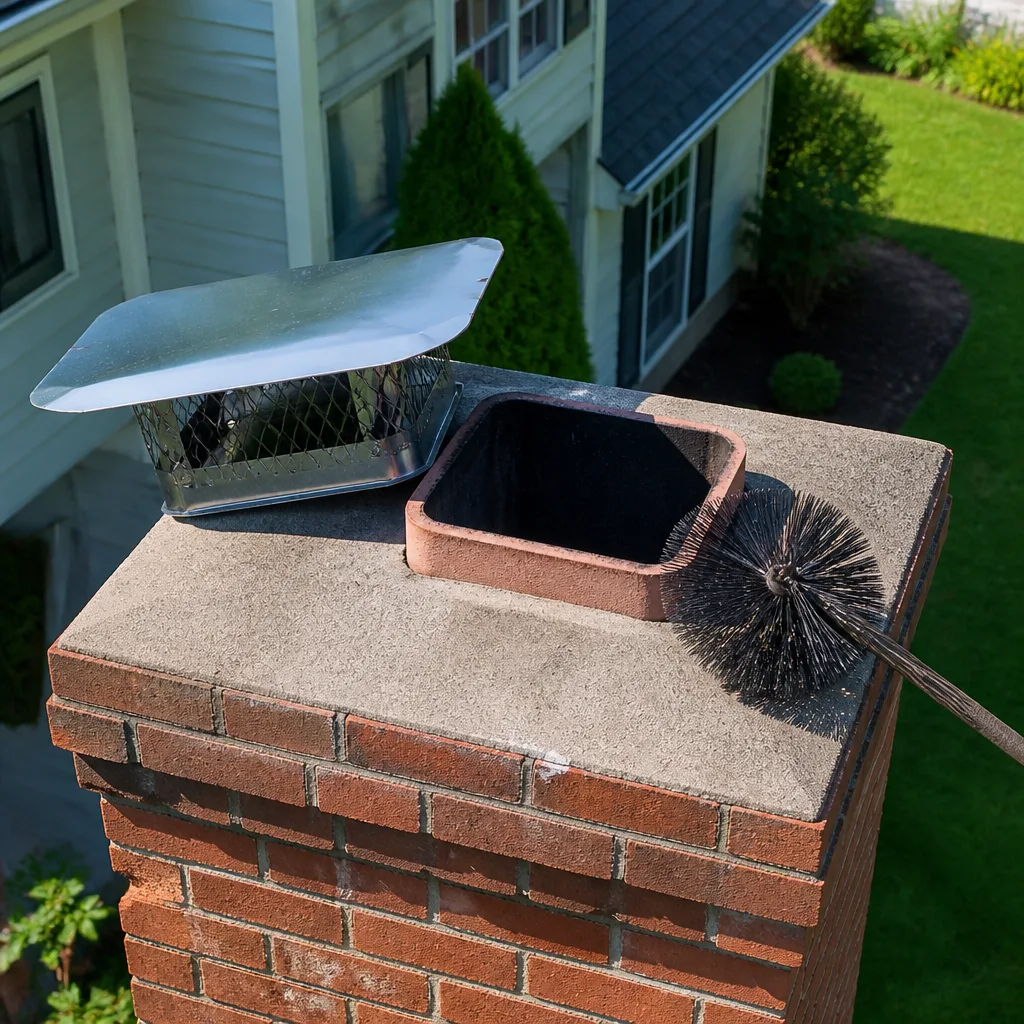 Sweep & inspection
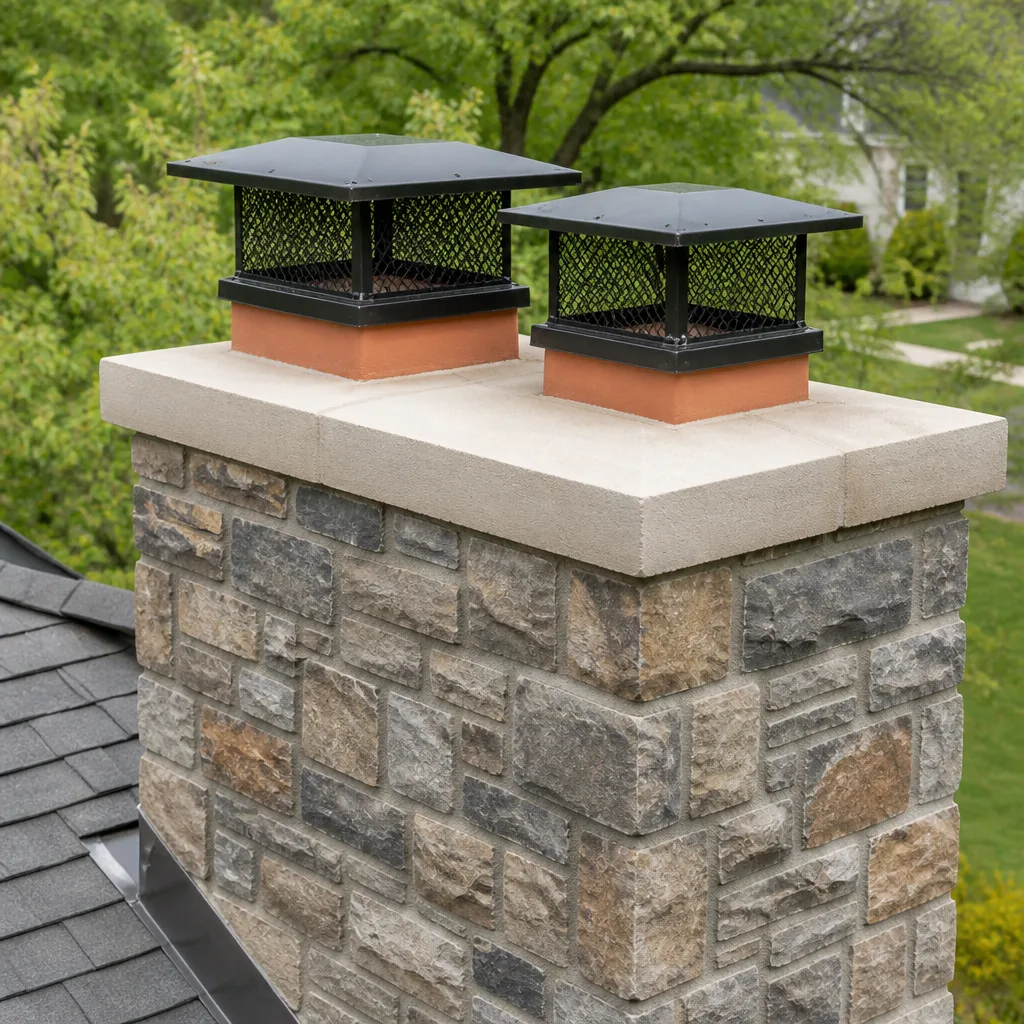 Caps & crowns
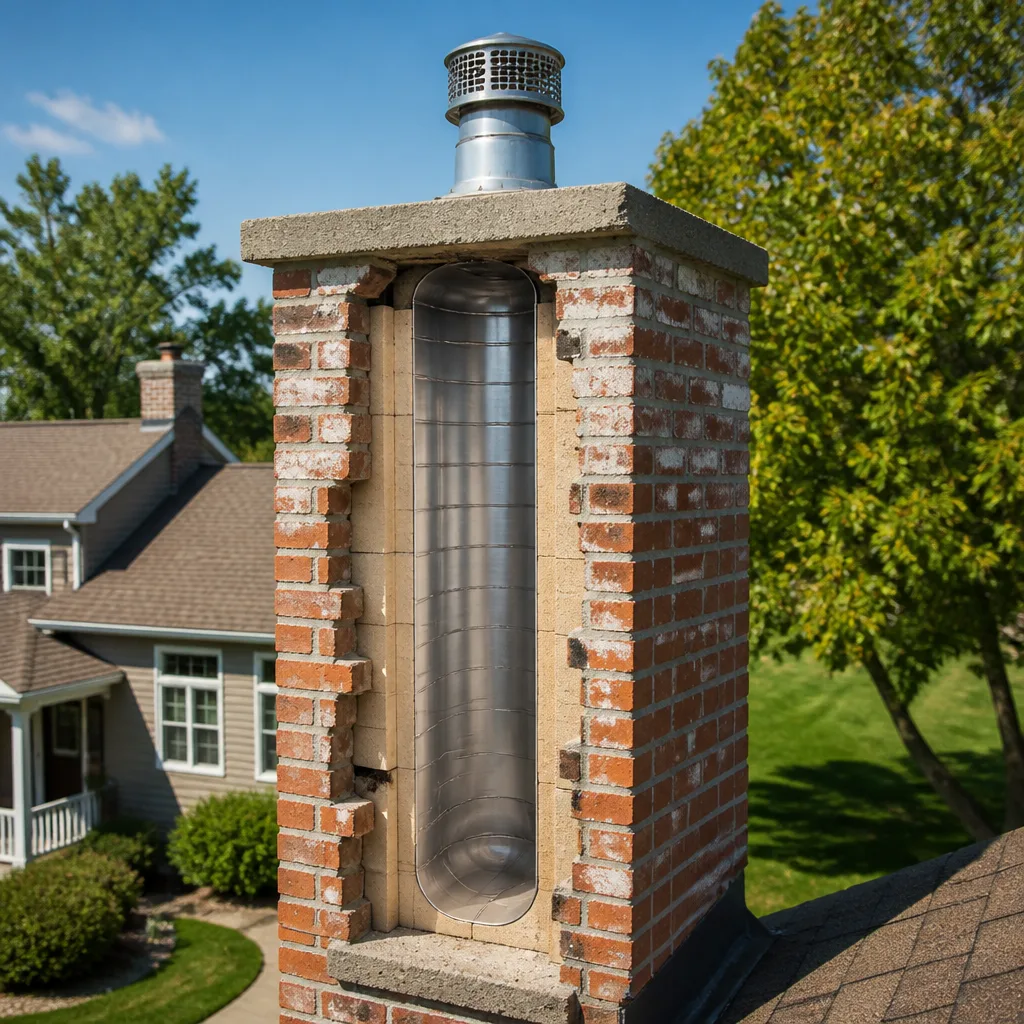 Flue relining
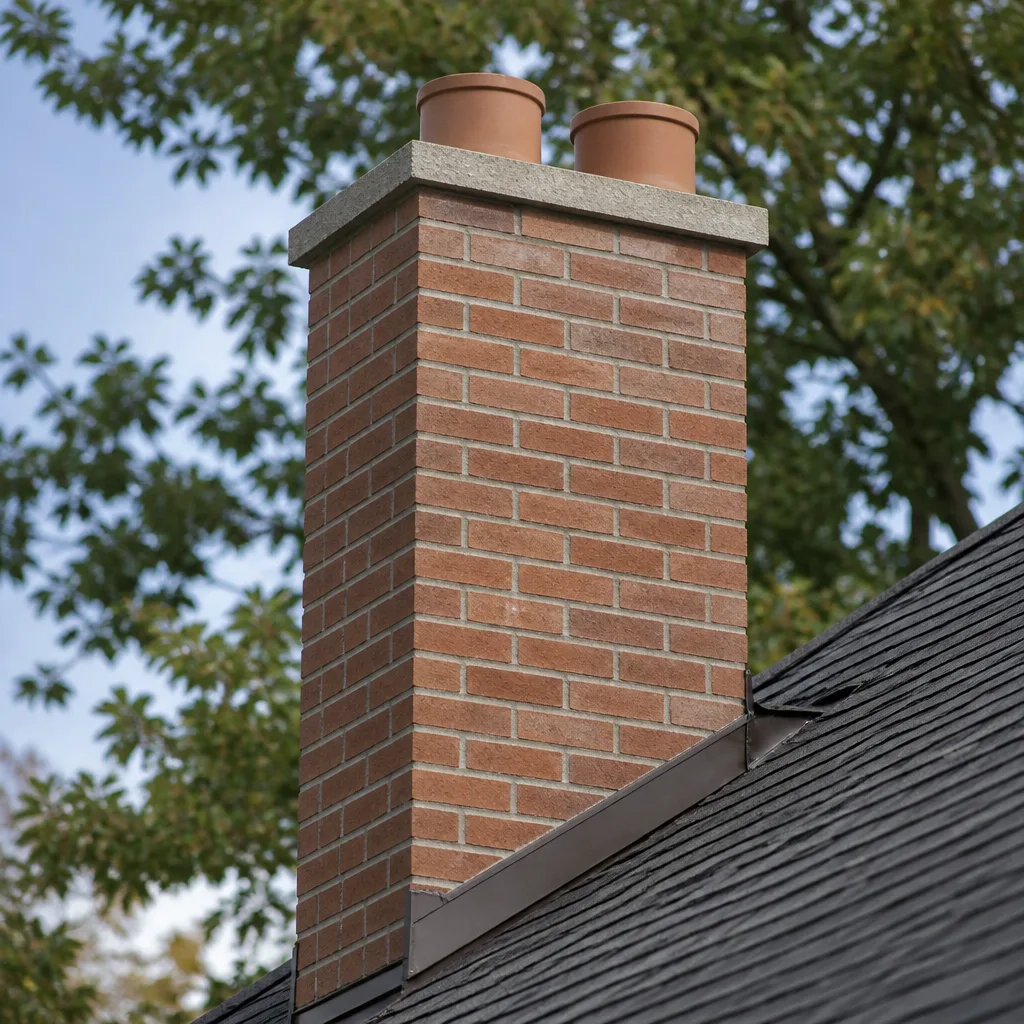 Masonry repair
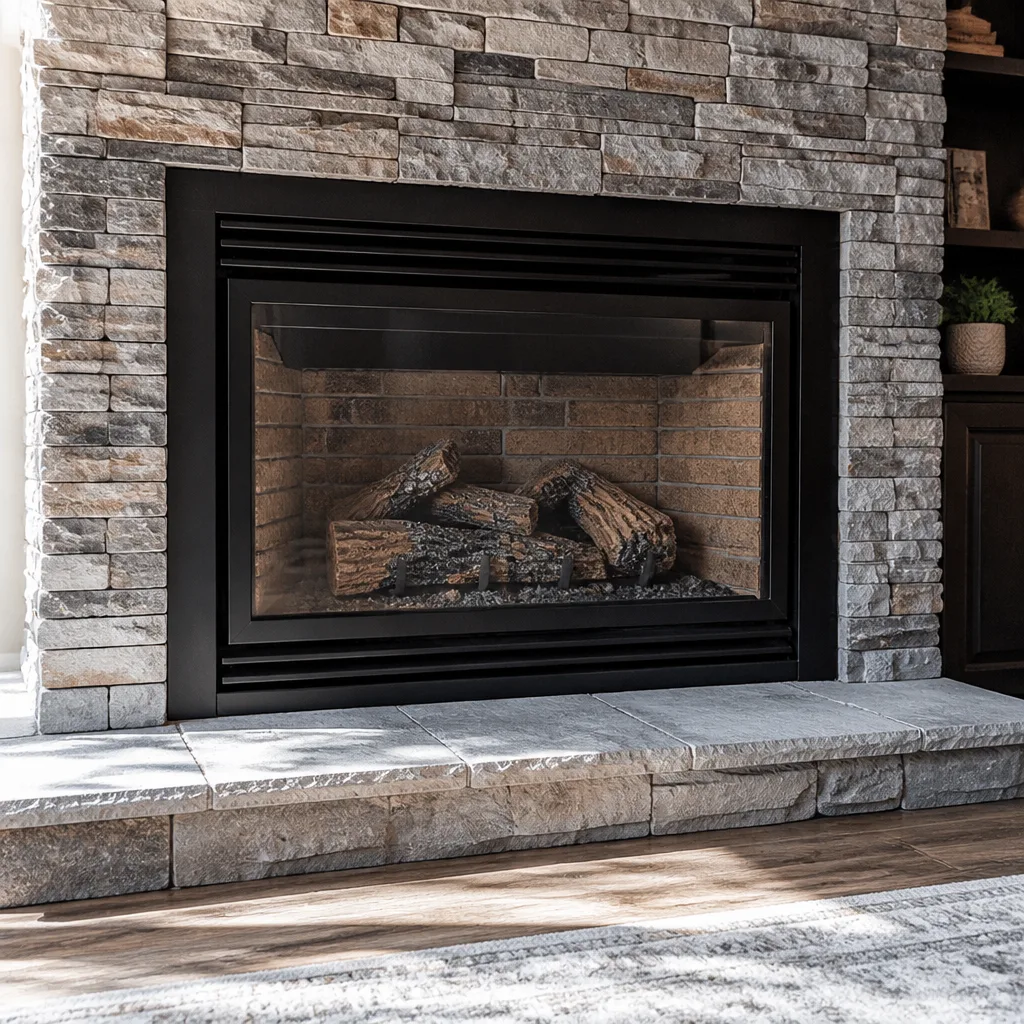 Gas fireplace service
Level 1 sweep and inspection to the NFPA 211 annual standard - flue, crown, cap, and flashing checked and photographed
Chimney sweep logs do not sweep chimneys. They loosen some creosote - which then falls where a brush and vacuum still have to collect it.
Choosing the Right Chimney Cleaning Brand: A Buyer’s Guide for Provo
Most homeowners shopping for chimney work spend their energy on the brush. That’s backwards. For a basic sweep of a sound flue, a $30 hardware-store poly brush and a professional-grade brush do roughly the same job, and no regulator treats one as safer than the other. The brand decisions that actually matter happen one layer down and one layer up: the liner alloy inside your flue, the ceramic resurfacer on a spalled clay tile, the cap welded to the crown. Those are the choices that decide whether a crack gets repaired or quietly grows. In this guide we’ll walk through the product lines a Provo chimney contractor should be able to name and explain, how to read those answers, and what questions separate a technician from a sweep with a coupon.
Quick Answer
The right chimney cleaning brand is the one whose product lineup proves the contractor can repair what it finds, not just remove what’s there. In practical terms, that means a Provo contractor who works with recognized liner systems like DuraFlex, ceramic resurfacing compounds like HeatShield, and code-compliant cap hardware through suppliers such as Olympia Chimney and Famco. Ask what they use on a cracked flue tile, not what they sweep with, and you’ll know within two questions whether you’re talking to a specialist.
Styles & brands we work with
- Sweep & inspection
- Caps & crowns
- Flue relining
- Masonry repair
- Gas fireplace service
Table of Contents
- Why Chimney Cleaning Brands Matter More Than the Brush
- HeatShield and Cerfractory Resurfacing: The Repair Most Sweeps Can’t Do
- Flexible Stainless Liners: 304 vs. 316Ti and the Warranty Trap
- Caps and Spark Arrestors in Provo’s Freeze-Thaw Climate
- Rotary Systems vs. Brush and Rod: Matching the Tool to the Creosote Stage
- The One Question That Separates a Specialist from a Generalist
- Dryer Vent Brands and the Other Half of Ventilation Safety
- How to Evaluate a Provo Chimney Contractor in Ten Minutes
Why Chimney Cleaning Brands Matter More Than the Brush
The brush is the least interesting piece of equipment in the trade. Standard poly brushes, flat wire brushes, and round wire brushes all do the same job on the same deposits. What changes your outcome is whether the person holding the brush has the materials on hand to address what the brush uncovers, or whether you’re handed a business card and told to call someone else.
That’s the real distinction in this market. A sweep-only operation arrives, cleans, looks at a hairline crack in a clay tile, and moves on. A company that carries professional repair systems arrives, cleans, inspects with a camera, and can quote the actual fix before leaving. The product roster tells you which one you’ve hired before the appointment even starts.
There are three tiers of product to look for:
- Cleaning tools: brushes, rods, and rotary heads. Largely commodity. Almost any brand works on a standard flue.
- Repair systems: ceramic resurfacing compounds for clay tile, flexible stainless liner systems for relining, crown coatings. This is where brand matters enormously, and where most homeowners never think to ask.
- Exterior hardware: caps, spark arrestors, venting terminations. The visible part of the system, and the part that fails first when the climate is rough.
In our experience across Provo, the calls that go badly are almost never about the cleaning. They’re about what happens after the cleaning, when a homeowner learns the flue needs relining and the person who just swept it doesn’t do that work. If you’re comparing contractors and want the wider context on what a routine chimney sweep should include, that’s worth reading before you book.
The bottom line for this section: stop asking which brush they use. Start asking which liner system and which resurfacer they work with. The answer tells you the depth of their capability in one sentence.
HeatShield and Cerfractory Resurfacing: The Repair Most Sweeps Can’t Do
HeatShield is a ceramic-based resurfacing system designed to restore the inside of a clay tile flue without tearing it out. It’s applied as a compound that bonds to the flue wall and rebuilds the joint structure, and it’s recognized as an alternative to full liner replacement on qualifying systems. That word “qualifying” carries a lot of weight, and any contractor who skips over it is overselling.
What HeatShield addresses:
- Spalled clay tile: flaking or crumbling surfaces where the fired clay has broken down. Resurfacing can restore a usable flue surface without a full reline.
- Hairline cracks in mortar joints: the cracks between tile sections that widen with heating and cooling cycles. These are the entry points for creosote and moisture into the surrounding masonry.
- Deteriorated joint structure: where the mortar between tiles has eroded enough that the flue is no longer gas-tight.
What it does not address: structural damage in the surrounding masonry, a flue that’s badly out of shape, or a flue too large or irregular for the system’s application range. A failed chimney chase or crumbling exterior brick is a different repair entirely, and no resurfacer fixes that.
Why this matters to you as a buyer: the difference between HeatShield and generic patching compounds is the difference between a repair that’s designed to last inside a hot flue and a patch that will crack out the first winter. The availability of a proper ceramic resurfacing system also tells you the contractor sees repair as part of the job. A company equipped to resurface a flue doesn’t hand you a repair referral after the sweep. It hands you a written estimate for the actual fix, with a camera photo of what needs fixing.
For a Provo homeowner with a pre-1980s house and a clay tile flue, this is worth specifically asking about. Ask whether they use HeatShield or another ceramic resurfacing product, and ask to see the qualifying criteria. A specialist will answer both without hesitation.
Flexible Stainless Liners: 304 vs. 316Ti and the Warranty Trap
This is the single most consequential brand decision on your chimney, and it’s the one most homeowners never see. Flexible stainless liner systems come in different alloy grades, and the alloy determines what fuel the liner can handle. Get it wrong and the manufacturer’s warranty is void, often within a couple of years.
The two you’ll encounter:
- 304 stainless: the general-purpose alloy, appropriate for gas appliances and other lower-temperature, lower-corrosivity applications. Cheaper, and correctly specified for the right use.
- 316Ti stainless: the titanium-stabilized alloy, appropriate for oil appliances and high-temperature wood applications. More expensive, and the correct choice for a wood-burning flue.
Here’s the trap. A contractor looking to shave the quote installs a 304 liner in a wood-burning appliance. The liner fits, it looks right from the top, and it fails warranty coverage the first time the appliance runs hot. You’ll never know until the liner corrodes, and by then the installer is long gone. In our experience, this is one of the most common defects we find on second-look inspections.
DuraFlex is a liner family we work with, and the reason we name it is simple: the system comes with documented alloy specifications and application guidance. That’s what you want from any liner brand. You want a manufacturer that publishes which alloy goes with which fuel, because that documentation is what holds a contractor accountable.
When you get a liner quote in Provo, ask these three questions:
- Which alloy grade are you specifying, and why is it right for my appliance?
- What does the manufacturer’s warranty say about the application you’re using it for?
- Is the liner insulated, and to what specification?
A specialist answers all three without checking a manual. A generalist gets vague on the second question, and vague is your signal to keep shopping. The liner is the most expensive component in a chimney repair, and the warranty on it is only as good as the specification behind it.
Caps and Spark Arrestors in Provo’s Freeze-Thaw Climate
The cap is the part of your chimney that takes the most weather and gets the least attention. In a Provo climate with a real freeze-thaw cycle through the winter and a dry, windy summer, a cap has to do more than sit on top. It has to hold its welds through repeated expansion and contraction, and its mesh has to stay intact long enough to do its job as a spark arrestor.
This is where brand and construction become visible. A generic galvanized cap with spot welds and a coarse mesh is a disposable product in this climate. The welds fatigue, the galvanizing breaks down at the seams, and the mesh gauge is often too coarse to stop a hot ember. The result is rust staining down the crown and a cap that’s no longer arresting sparks by the second or third season.
What a well-made cap looks like:
- Continuous or properly welded seams that survive thermal cycling instead of failing at the joint.
- Stainless or heavier-gauge construction that tolerates moisture and freeze-thaw without surface breakdown.
- A fine enough mesh to function as a genuine spark arrestor and to keep birds and debris out, without clogging with soot.
- Correct mounting to the flue or crown, so the cap doesn’t work loose in wind.
Famco and Olympia Chimney are two supply names we work with for exterior caps and venting covers, and both are established in the trade for a reason. The point isn’t the logo. The point is that a manufacturer building caps for the professional channel publishes the mesh gauge and construction specs, and those specs are what a contractor should be matching to your flue termination.
If your current cap is rusty, loose, or missing mesh, don’t wait for the next sweep to mention it. A cap replacement is a small, straightforward repair that protects the crown, the flue, and the interior of your house. In a freeze-thaw climate, deferring it is how a $150 problem becomes a masonry repair.
Rotary Systems vs. Brush and Rod: Matching the Tool to the Creosote Stage
Here’s where cleaning brands actually do earn their place in the conversation. Not on a routine sweep of a lightly used fireplace, but on a flue with heavy creosote. Rotary cleaning systems, the kind with a spinning head on a flexible shaft, are the technically correct tool for stubborn deposits. A standard brush and rod is the correct tool for the routine case. Knowing which is which is a mark of competence.
Creosote grades, in plain terms:
- Stage 1: light, flaky soot. A standard poly brush removes it easily. No rotary system needed.
- Stage 2: a crusty, brittle layer that adheres to the flue wall. A brush alone often leaves it behind.
- Stage 3: a glazed, hardened deposit, sometimes resembling tar. This is the genuinely dangerous grade, and it requires mechanical removal with a rotary head and the right cutter for the deposit type.
A contractor with only a brush and rod will either tell you the flue is “fine” or schedule a second visit with equipment they don’t have. A contractor equipped for rotary cleaning can address the heavy grade in the initial visit, which matters because stage 3 creosote is the fuel load in a chimney fire. If your last sweep report was thin on detail, ask specifically what grade of deposit was found and how it was removed. A specialist gives you a stage, a tool, and a photo. A generalist gives you a receipt.
Provo wood-burning households that burn hard through the winter and use seasoned wood inconsistently are the ones most likely to hit stage 2 and 3 deposits. The tooling question is worth asking before you book, because it determines whether the visit will actually resolve the problem or just touch it. If you’re also due for a Chimney Sweep Provo, ask about the rotary capability at the same time, and you’ll know what to expect from the appointment.
The One Question That Separates a Specialist from a Generalist
Ask any contractor you’re considering: “What products do you use, and why?” The follow-up to their answer tells you everything.
A generalist gives you a brand name and stops. “We use the standard stuff.” Or a brush brand, named as if it were a credential. That answer says the contractor has never had to plan a repair, because the repair was always someone else’s job.
A specialist answers in specifics, because the specifics are where their work lives:
- Which liner alloy and for which appliance. If the answer is “stainless,” that’s a generic answer. If it’s 304 for gas and 316Ti for wood, that’s a specialist.
- Which resurfacing system, and when it applies. If they mention a ceramic system for spalled tile but can also describe when it does not apply, that’s someone who reads application criteria.
- Which cap brands and why. A specialist knows the difference between a heavy-gauge stainless cap with proper mesh and a galvanized one from a big-box shelf.
- Which cleaning method for which creosote grade. A specialist connects the tool to the deposit, not the other way around.
- What they do when a sweep uncovers damage. If the answer is “we quote it,” you’ve found a company equipped for repair. If it’s “we refer it out,” you haven’t.
This one question is more diagnostic than any review site, because it forces the contractor to describe their actual toolkit in the terms of the work. Homeowners in Provo who ask it before booking routinely avoid the second and third calls that come from hiring a sweep-only operation. A company that works with Olympia Chimney and DuraFlex, and uses a proper ceramic resurfacing system, is a company that has thought about the repair long before you called.
And if the answer includes a named brand you don’t recognize, that’s not a problem. Look it up. Any professional-grade product line publishes its application specs, and a quick look will tell you whether the contractor is specifying correctly.
Dryer Vent Brands and the Other Half of Ventilation Safety
Your chimney is not the only vent in the house that can fail. Dryer vents are one of the leading causes of residential structure fires, and the failure modes parallel the chimney: lint accumulation restricting flow, heat building where it shouldn’t, and a termination that’s not compliant with the appliance manufacturer’s specification.
This matters to the buyer’s-guide question because it tells you what kind of company you’re hiring. A sweep-only operation cleans one thing. A ventilation specialist understands that the same principles of flow, heat, and proper termination apply to both systems, and will talk to you about both in the same visit.
When you’re evaluating venting products, the questions are similar:
- Is the termination hardware a recognized product with a published spec, or a hardware-store substitute?
- Does the vent run meet the length and elbow limits the dryer manufacturer specifies?
- Is the ducting the correct type for the application, not the foil accordion kind that sags and traps lint?
The brands that matter here – for termination hardware and vent components – are the same ones that show up in chimney work, because they’re the suppliers building for the professional channel. Copperfield is one we source through. If you want the wider picture on the dry-vent side, our dryer vent cleaning page covers the inspection process and what a compliant run looks like. The point for this guide: a company that offers chimney sweeping, chimney repair, and dryer vent cleaning under one roof has made a decision about scope. They’re a whole-home ventilation contractor, not a single-appliance sweep. That’s a meaningful difference when you want one call to resolve a safety picture across the house.
How to Evaluate a Provo Chimney Contractor in Ten Minutes
You don’t need a technical background to sort the specialists from the generalists. You need a short list of questions and the willingness to listen for specifics. Here’s how to run the evaluation.
- Ask what products they use for repair, not cleaning. Liner system, resurfacing system, cap brands. If the answer is only cleaning tools, that’s your answer.
- Ask which liner alloy they’d specify for a wood appliance. A specialist names 316Ti. A generalist says “stainless.”
- Ask whether they use a ceramic resurfacing system or generic patching for a cracked flue tile. Generic patching gets named by people who don’t do the repair.
- Ask what grade of creosote was found on your last inspection, and how it was removed. If the previous company didn’t grade it, that’s worth knowing.
- Ask whether they provide a camera inspection and photos. A visual inspection with documentation is the difference between a report you can verify and a claim you have to take on faith.
- Ask for the written estimate on any recommended repair, and ask whether the work can safely wait. A specialist will tell you what’s urgent and what isn’t. That candor is the best trust signal in the trade.
- Confirm they’re licensed and insured, and ask what the flat price covers before you book. A flat price agreed in advance means no surprises on the invoice.
This takes about ten minutes on the phone. It’s the best return on your time in the whole process, because it filters out the calls that would have wasted your afternoon. Our technicians have up to 15 years of experience, and that experience is exactly what those seven questions probe. A specialist has an answer for every one of them.
Common Mistakes to Avoid
- Choosing on price alone. The cheapest sweep on a coupon site is often the contractor who can only clean, not repair. You’ll pay for the second call when the inspection turns up damage.
- Confusing a brush brand for a repair capability. A named brush means nothing. A named liner system and resurfacing product mean everything.
- Skipping the alloy question on a liner quote. A 304 liner in a wood flue is a warranty failure waiting to happen. Always ask which grade and why.
- Ignoring the cap until it’s rusted through. In a freeze-thaw climate, a cheap cap is a maintenance item, not a lifetime component. Replace it before it stains the crown.
- Accepting a “you need a new liner” verdict without photos. Insist on camera documentation. If the contractor won’t show it, that recommendation isn’t verifiable, and you can say so.
- Treating the dryer vent as a separate problem. A full ventilation check covers both the chimney and the dryer vent. Missing one is missing half the safety picture.
- Not asking whether a recommended repair can wait. Not every crack requires immediate service. A specialist will tell you plainly what’s urgent and what can be scheduled.
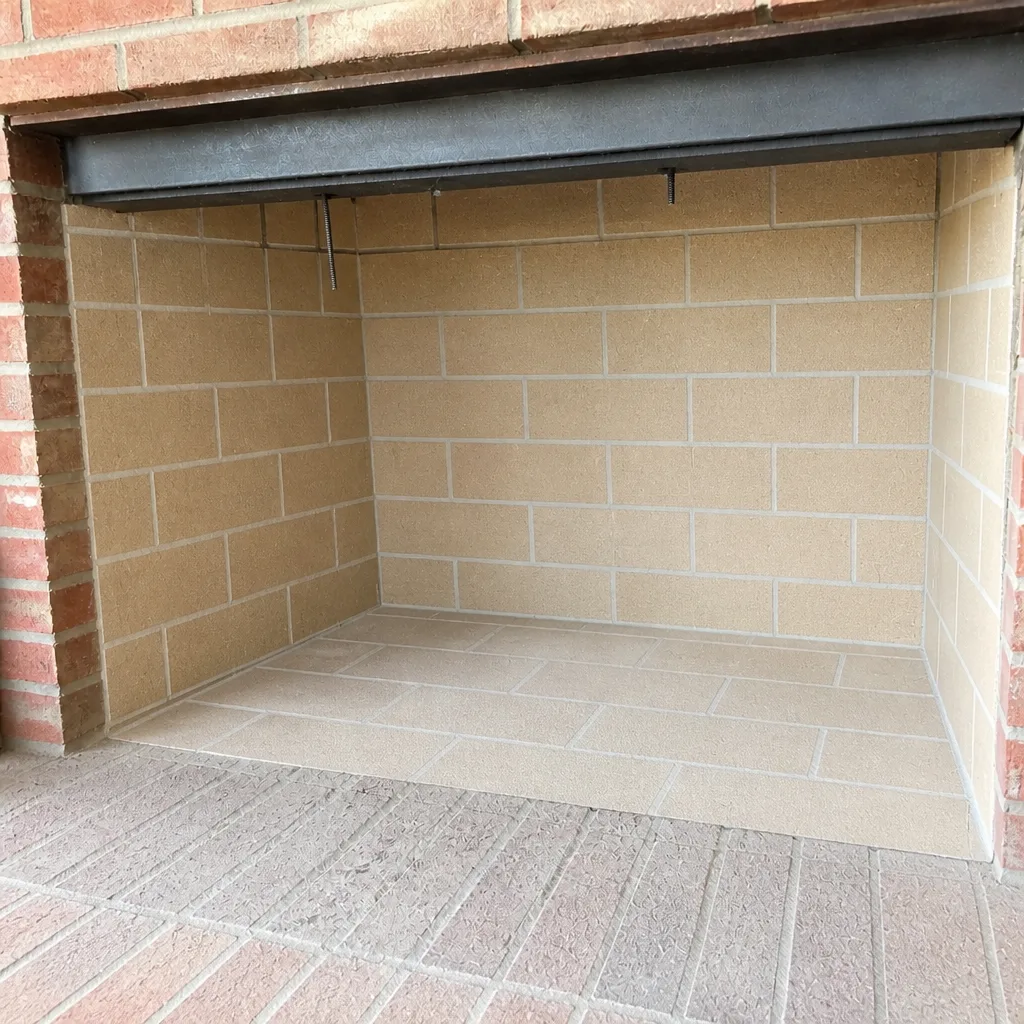
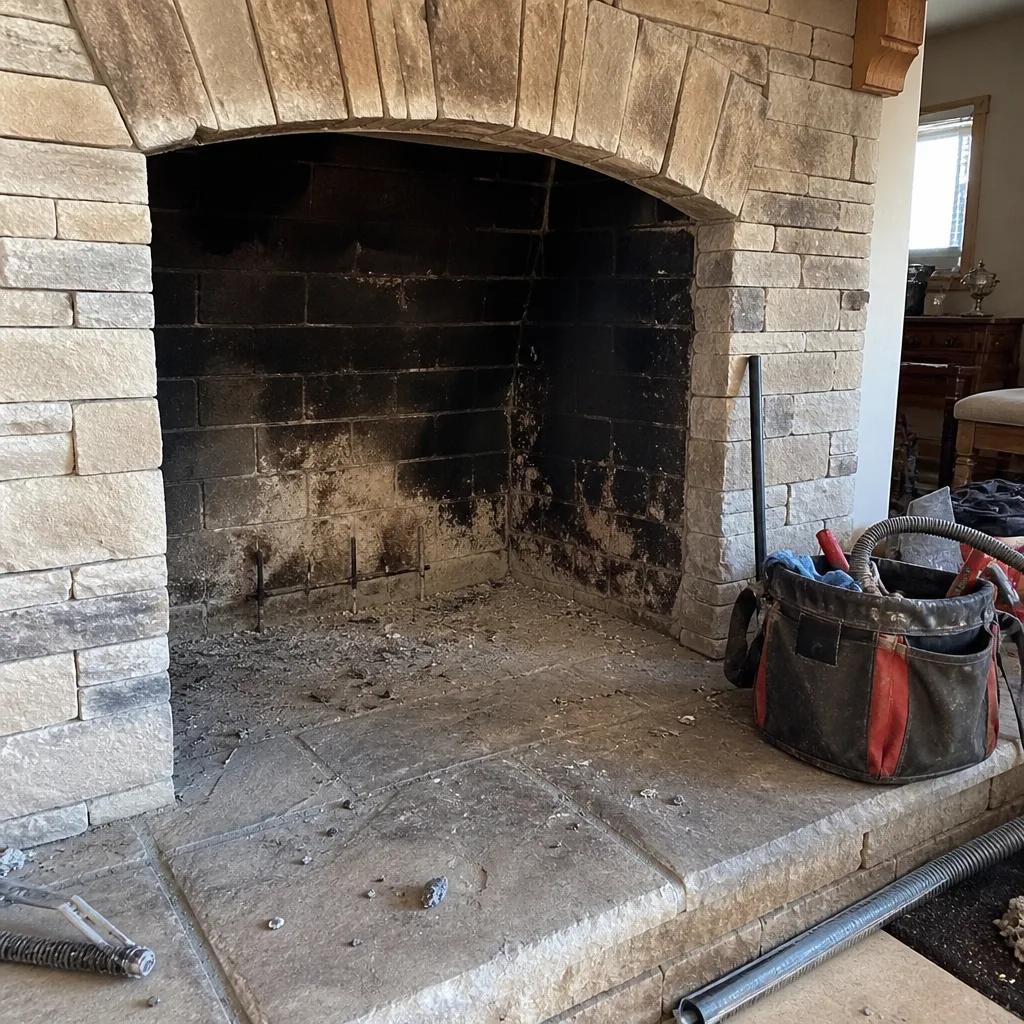
See the difference
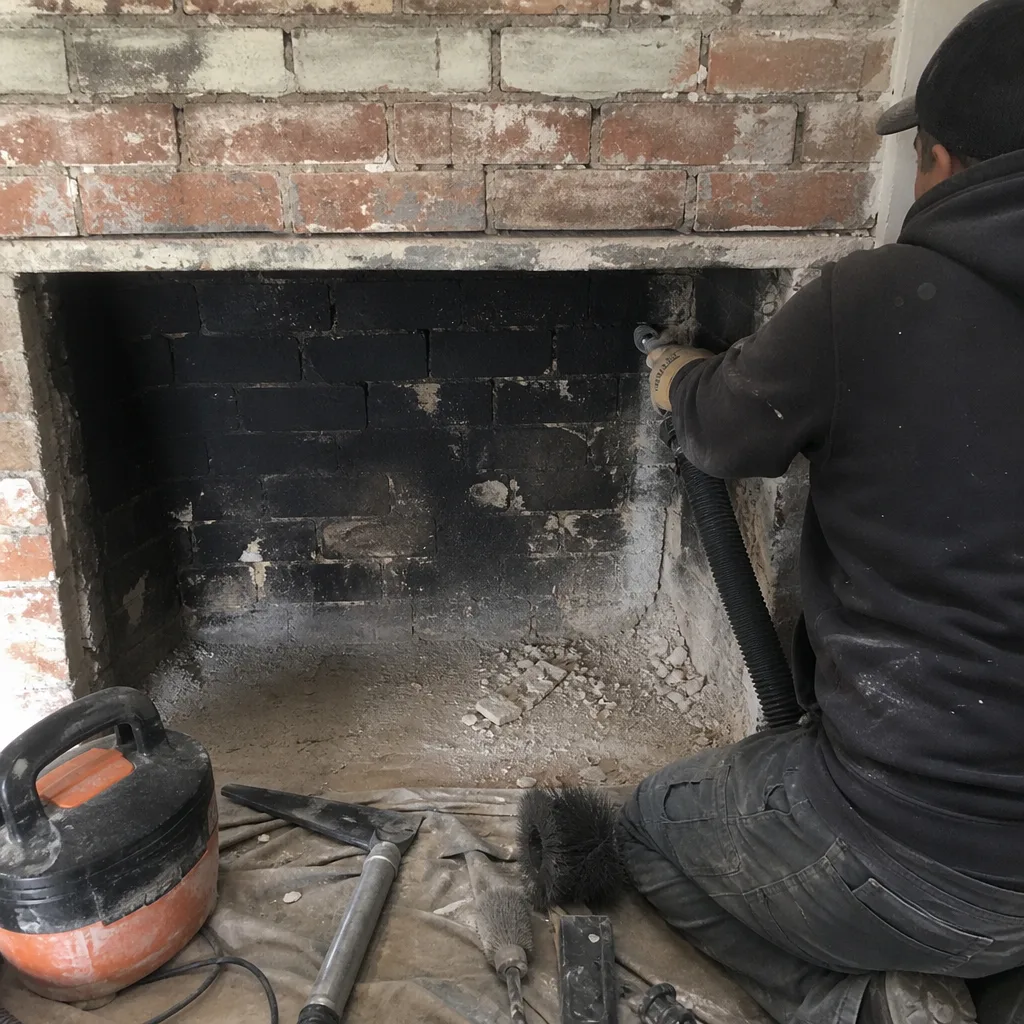 Before
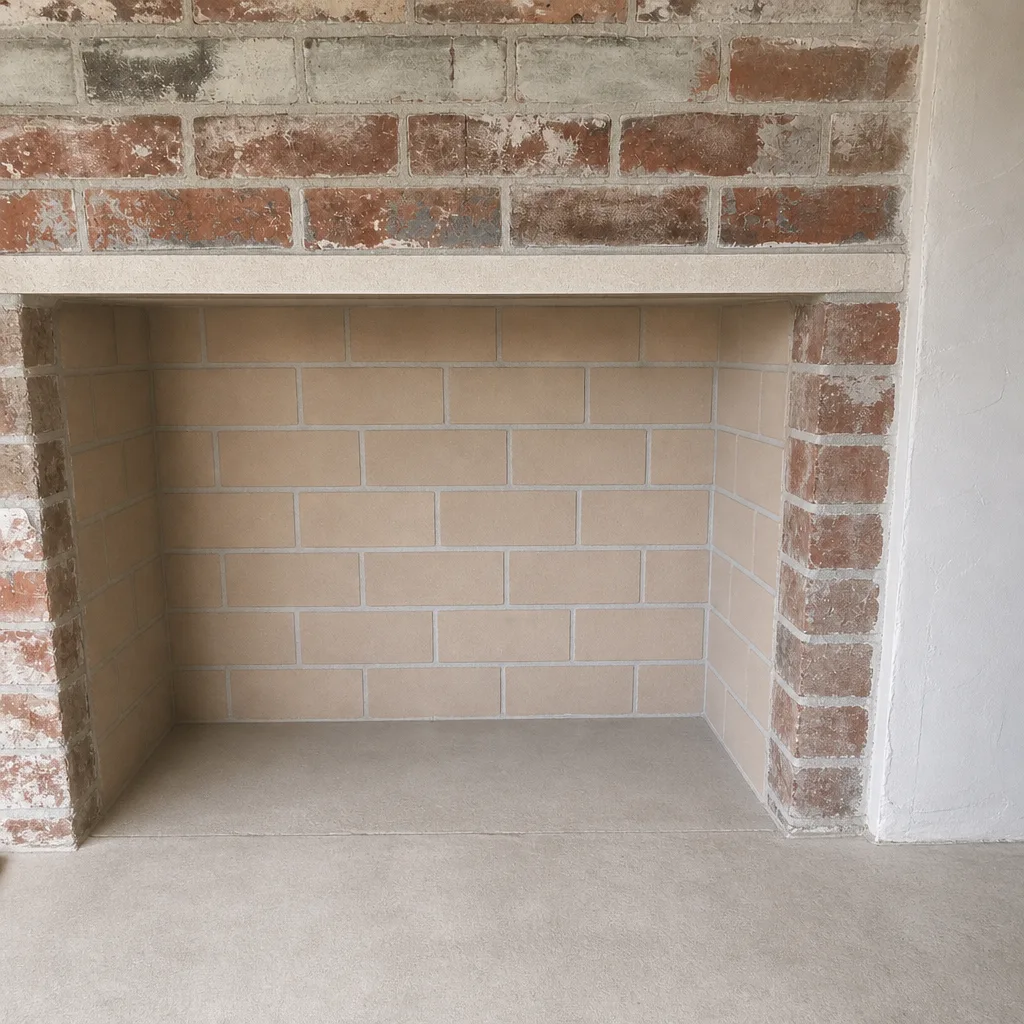 After
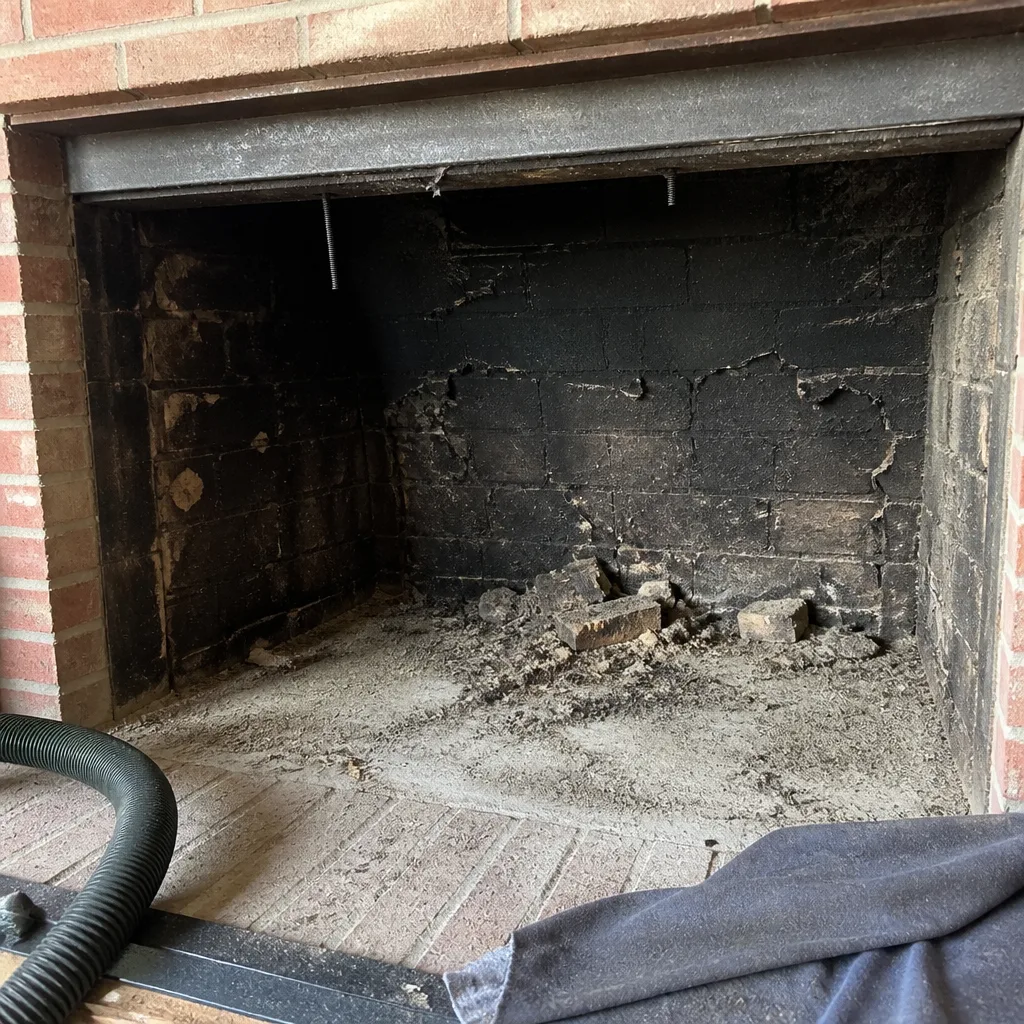 Before
 After
 Before
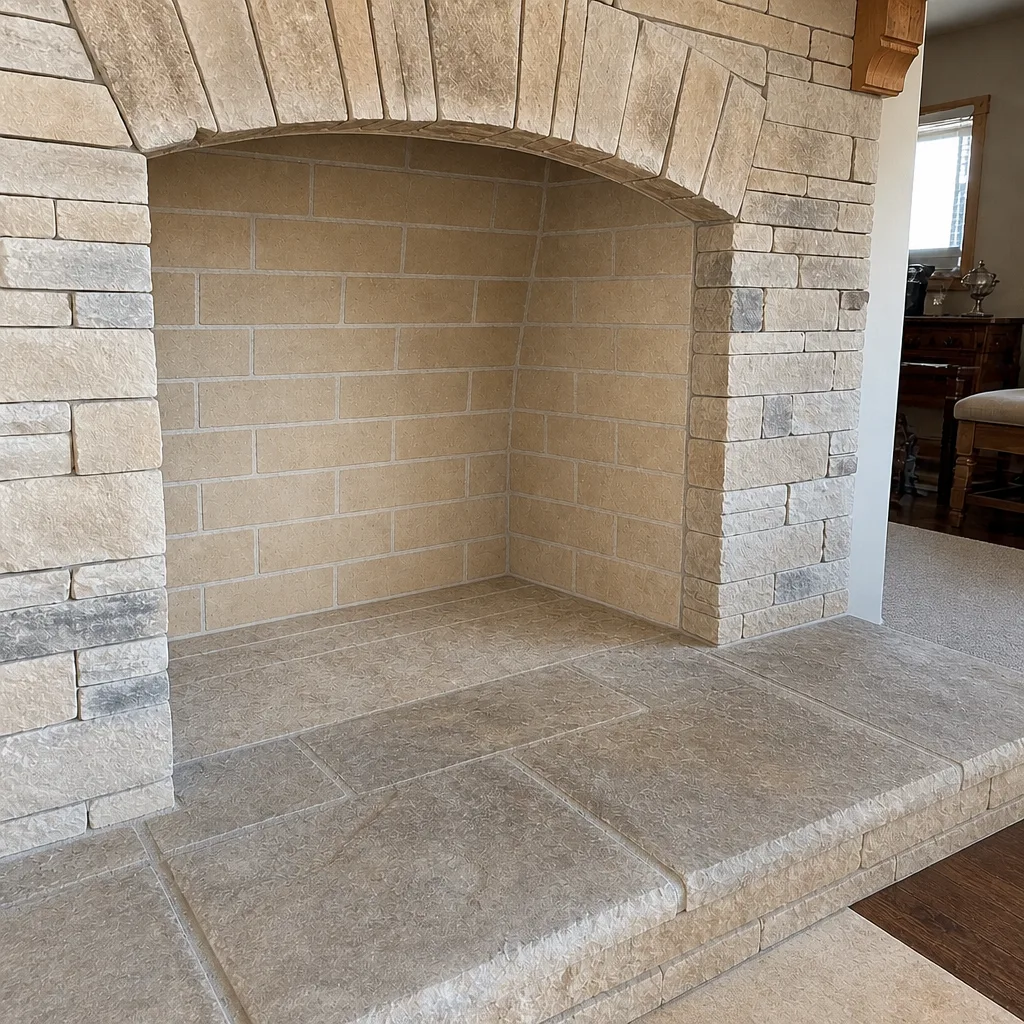 After
When to Call a Professional
Call a professional when your flue hasn’t been swept in the last year of regular use, when you’ve noticed smoke backing into the room, when the draft has become unreliable, or when you’re preparing for a home inspection or an insurance review and need documented service. Call immediately if you smell creosote strongly in warm weather, if you’ve had a chimney fire, or if the flue shows visible damage at the top. Don’t attempt to diagnose a damaged flue from the firebox yourself; the conditions inside a flue can fail without any visible sign from below, and the equipment to see them is what a professional brings. Chimney Sweep Provo offers free estimates in Provo. Call (855) 340-2065. We answer 24/7. Fast dispatch from 7am to 7pm, Sunday through Friday.
Frequently Asked Questions
There’s no single “best” brand for cleaning, because the cleaning tools are largely commodity. The brand that matters is the repair system: a professional-grade liner system like DuraFlex, a ceramic resurfacing product for damaged tile, and code-compliant cap hardware. For an exact quote on any chimney or dryer vent service in Provo, call (855) 340-2065. Estimates are free.
Yes, decisively. 304 stainless is appropriate for gas appliances, and 316Ti is appropriate for wood and high-temperature applications. A liner installed with the wrong alloy for the appliance voids the manufacturer’s warranty and can fail within a couple of years. Ask which grade is specified and why. We answer those questions on every estimate, free of charge. Call (855) 340-2065.
It depends on the condition of the clay tile and the surrounding structure. A ceramic resurfacing system can address spalled tile and hairline joint cracks on qualifying systems, but structural masonry damage needs a full reline or repair. Only a camera inspection can tell you which. Our inspection includes photos so you can see the condition yourself. Call (855) 340-2065 for a free estimate.
The freeze-thaw cycle drives it. Repeated expansion and contraction stress the welds and seams, and moisture sitting on a galvanized surface breaks down the coating faster than in a milder climate. A stainless cap with proper weld integrity and a fine mesh lasts meaningfully longer here. If your cap is rusted or missing mesh, it’s worth replacing before it damages the crown. Call (855) 340-2065.
If they offer both services, yes, and that’s the more efficient way to do it. Chimney sweeping, chimney repair, and dryer vent cleaning share the same safety logic and the same inspection process. One visit can cover both, and a single report gives you the full ventilation picture. Call (855) 340-2065 for a free estimate on either service.
Ask what repair products they use, which liner alloy they specify for wood appliances, and whether they provide camera inspection with photos. Those three questions separate a specialist from a sweep-only operation faster than any review count. If the answers are specific and documented, you’ve found the right contractor. Call (855) 340-2065 to book a free estimate.
The Bottom Line
The brand that cleans your flue matters far less than the brand that repairs it. A contractor who works with recognized liner systems, uses a proper ceramic resurfacing product, installs code-compliant caps, and can show you the evidence is a contractor equipped for the full job. A contractor who only names a brush brand can clean, and that’s all. In Provo, where freeze-thaw punishes cheap exterior hardware and wood-burning households build heavy creosote, the difference shows up in the second season. Ask what they use for repair, and why. The answer is your best filter.
Chimney Sweep Provo handles chimney sweeping, chimney repair, and dryer vent cleaning under one roof, with industry-grade product lines and a camera-documented inspection on every visit. Call (855) 340-2065 for a free estimate. We answer 24/7. Fast dispatch from 7am to 7pm, Sunday through Friday.
Written by the team at Chimney Sweep Provo.