
Last updated November 15, 2026
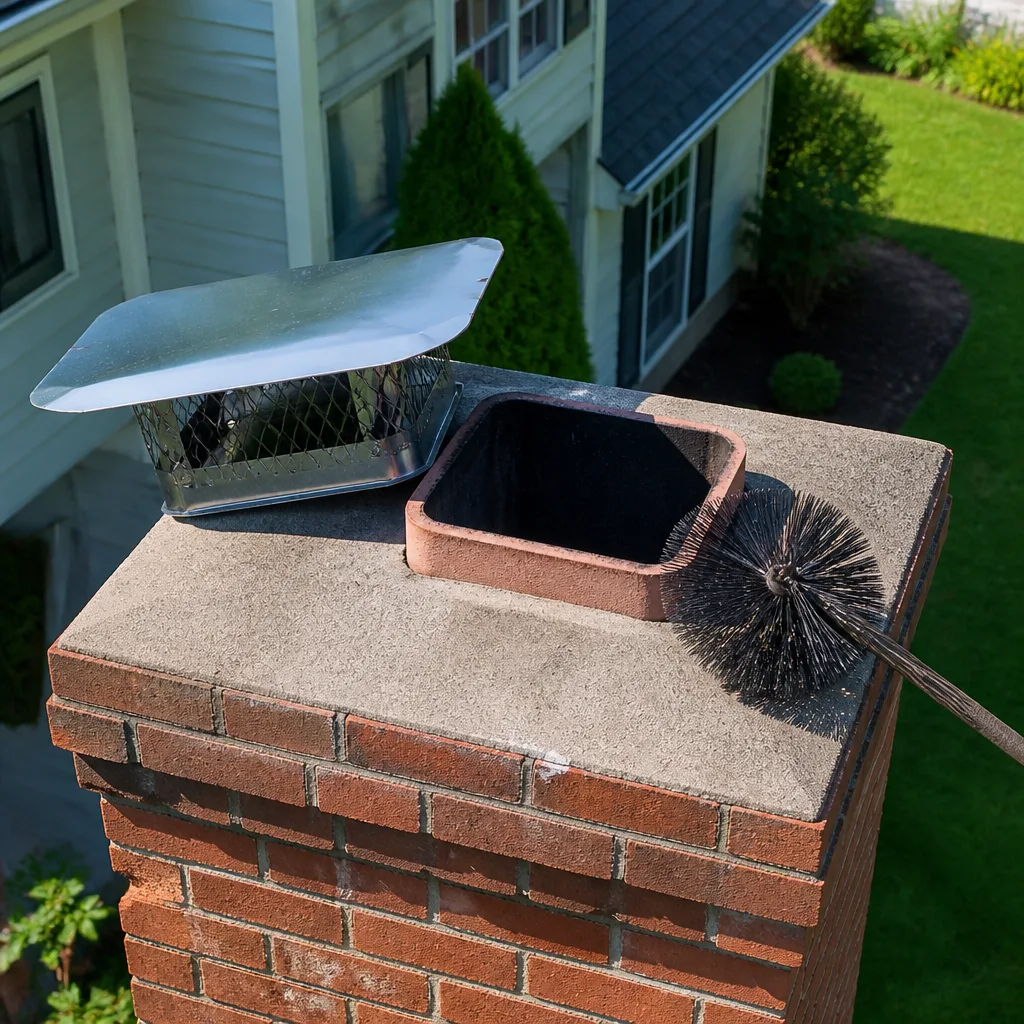 Sweep & inspection
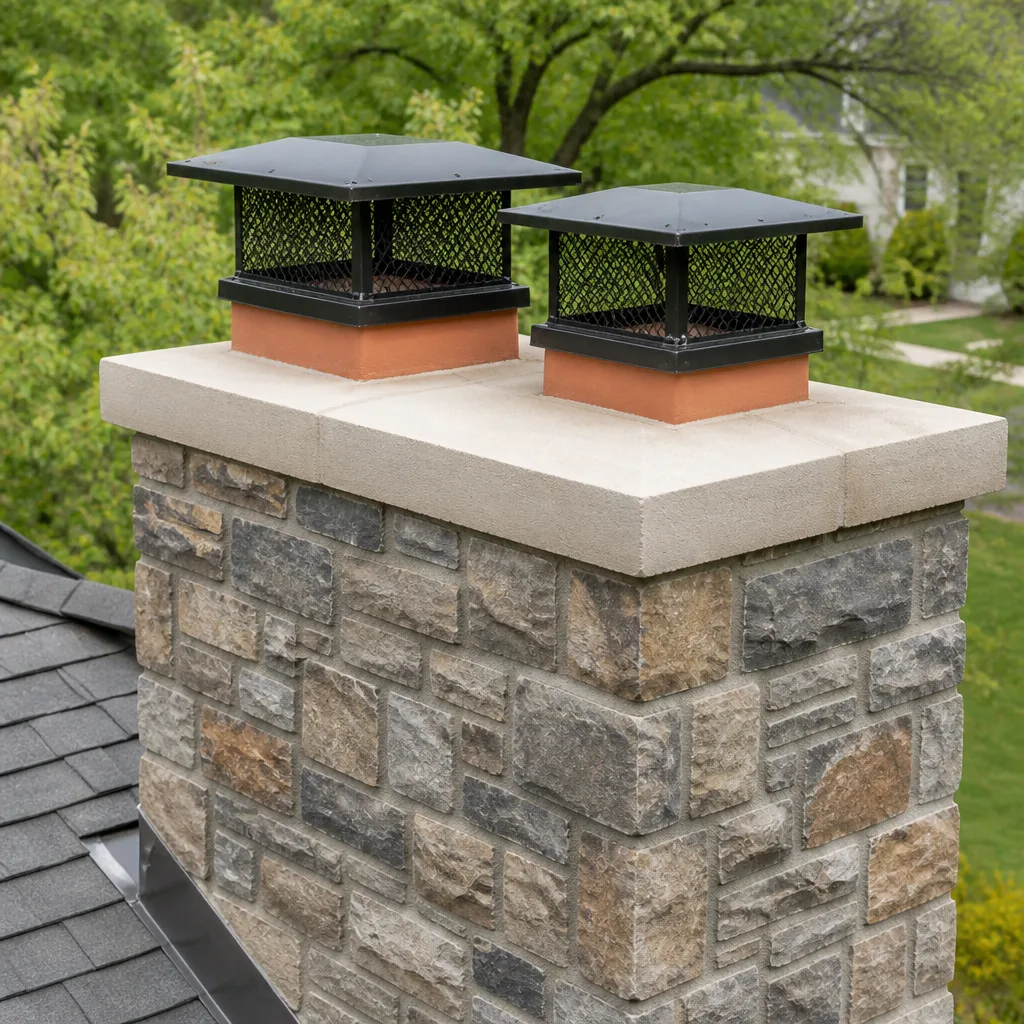 Caps & crowns
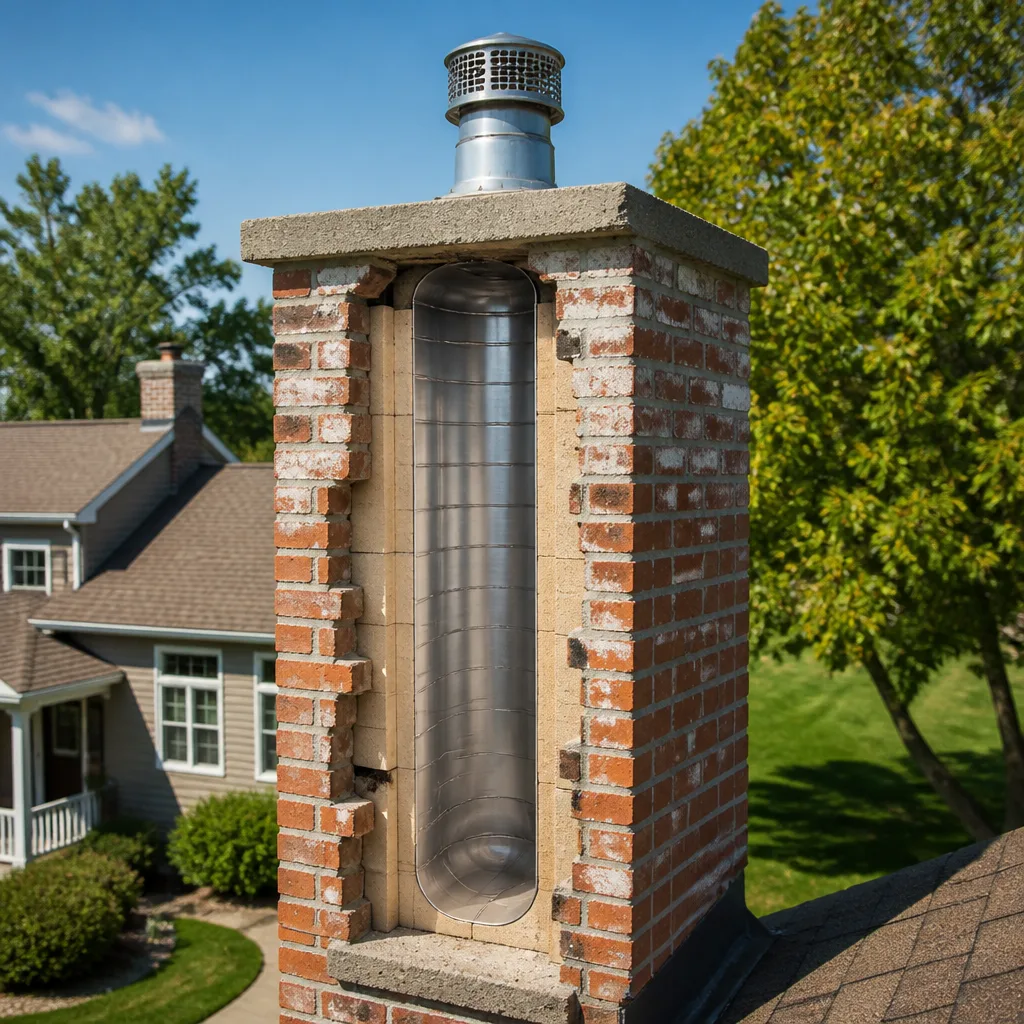 Flue relining
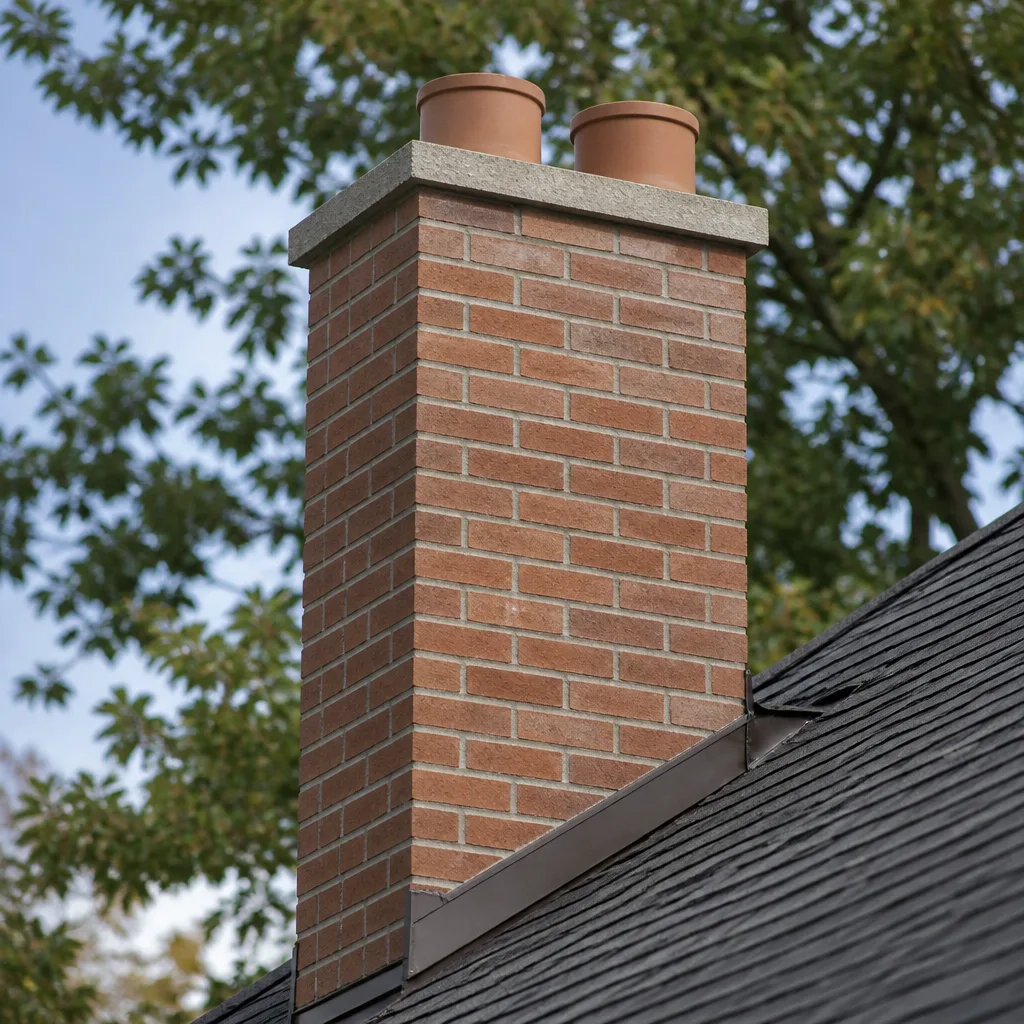 Masonry repair
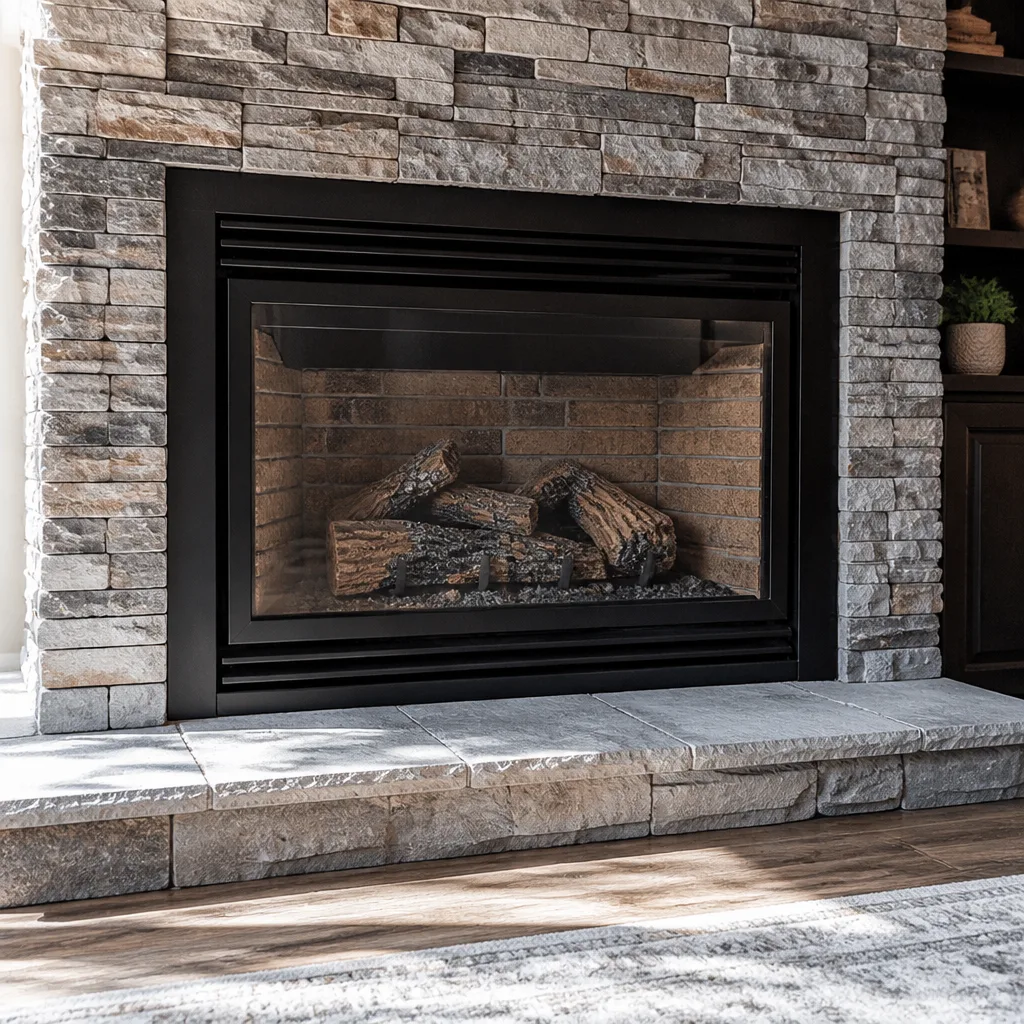 Gas fireplace service
Level 1 sweep and inspection to the NFPA 211 annual standard - flue, crown, cap, and flashing checked and photographed
Chimney sweep logs do not sweep chimneys. They loosen some creosote - which then falls where a brush and vacuum still have to collect it.
The Complete Guide to Chimney Cleaning in Provo
Most chimney advice you read online was written for a house at sea level, burning seasoned hardwood in mild weather. Provo is none of those things. At 4,551 feet, wood burns less completely than it does in a lowland city, which means the same cord of firewood can leave behind substantially more creosote in your flue. Add a winter inversion layer that traps cold air against the valley floor and pushes smoke back down flues that vented fine in fall, and you have a hazard profile that generic national guides simply don’t address. In this guide, we’ll walk through how a Provo chimney actually behaves through a full burn season, what a real inspection covers, when cleaning is enough and when repair matters, and how to tell the difference before you pay for either.
Styles & brands we work with
- Sweep & inspection
- Caps & crowns
- Flue relining
- Masonry repair
- Gas fireplace service
Quick Answer
Chimney cleaning in Provo should happen once a year for a household that burns regularly, and it should be paired with an inspection that checks the flue from crown to firebox, not just the firebox. The combination matters more here than in most cities because high altitude increases creosote accumulation and the winter inversion changes how your flue drafts. A cleaning removes what’s there; an inspection tells you whether anything else needs fixing.
Table of Contents
- Why Chimney Cleaning in Provo Is Different From Anywhere Else
- Sweep vs. Inspection: What’s the Difference and Which Do You Need?
- NFPA 211 Levels I, II, and III: Explained for a Provo Home
- Creosote in a Provo Flue: The Three Stages and Why They Matter
- How Altitude Affects Draft (and Why a Salt Lake City Flue May Not Work Here)
- What Happens During a Chimney Sweep Visit
- Liner Repair: When Cleaning Reveals Cracks You Can’t Ignore
- Your Second Flue: Dryer Vent Cleaning as a Fire-Safety Service
- What Chimney Cleaning Costs in Provo
- Common Mistakes to Avoid
- When to Call a Professional
- Frequently Asked Questions
- The Bottom Line
Why Chimney Cleaning in Provo Is Different From Anywhere Else
Provo sits at 4,551 feet above sea level, which is roughly 4,500 feet higher than most of the wood-burning homes in the country. That single fact changes the combustion chemistry inside your firebox more than any other variable. At altitude, the air is thinner, so each cubic foot holds less oxygen. Fire needs oxygen to burn cleanly. Less oxygen means a slower, cooler, less complete burn, and incomplete combustion is exactly what produces creosote.
Wood that burns at sea level may leave a light dusting of soot and a thin creosote film. That same wood burned in Provo can leave a denser, stickier deposit that hardens faster. Over a season, that means you accumulate what a lowland homeowner might see over two or three. We’ve seen this pattern in Provo homes that burn modest amounts of wood, and it’s why the once-a-year rule is not a national cliché here. It’s a genuine minimum.
Then there’s the inversion. Utah Valley’s winter inversion forms when cold air settles against the valley floor and a warmer layer traps it from above. That trapped cold air changes pressure across the entire valley. A flue that drafted strongly in October can start puffing smoke back into the room in January, not because anything is broken, but because the pressure differential outside your chimney has reversed. Backdrafting does two things simultaneously: it pushes carbon monoxide risk into the living space, and it sends partially burned gases back up a cool flue where they condense into glazed creosote faster than they would at a clean burn.
Utah’s air-quality rules reinforce this. On mandatory no-burn days declared for the valley, wood burning is restricted, so many households shift to shorter, hotter burns around the restrictions. Longer gaps between burns cool the flue down, and a cool flue is a creosote factory. If you’re burning in Provo this winter, the way you burn matters as much as what you burn.
And there’s the hard water. Provo’s water supply is mineral-heavy, and while that mostly shows up in your kettle, it does affect your chimney system indirectly. Gas appliances with humidifiers or whole-house units introduce mineral dust into the exhaust stream, and any moisture that reaches the flue can carry dissolved minerals that leave crusty deposits over time. Combine mineral crust with creosote and you get a flue surface that’s harder to clean and harder to inspect properly. That’s why the first thing we do on a Provo sweep is look at the flue walls with a camera before the brush ever goes in.
Sweep vs. Inspection: What’s the Difference and Which Do You Need?
A chimney sweep removes deposits from the flue, firebox, smoke chamber, and damper. A chimney inspection evaluates the entire system for condition, safety, and code compliance. They overlap, but they are not the same service, and the difference matters legally when a home sale or insurance policy is on the line.
Here’s the practical distinction, as we practice it in Provo:
- A sweep is a maintenance visit. We clean the flue and firebox, remove creosote build-up, and clear obstructions such as bird nests or leaf debris. You get clean flue walls and the debris removed from your home.
- An inspection is a diagnostic visit. We use a camera to view the entire interior of the flue, examine the crown and cap from the roof, check mortar joints and the smoke chamber, and confirm that the liner is intact. You get a written record of the system’s condition.
- A sweep plus inspection is the default recommendation for Provo homeowners who burn regularly. In most cases, they happen together in one visit. We clean, then we look, because cleaning first is the only way to see the flue walls accurately.
When is a sweep alone legally sufficient? For routine annual maintenance, a sweep is what most homeowners need, and an inspection is added on an as-needed basis. When a home is being sold, when an insurance carrier has flagged the chimney, or when a flue has changed fuel types or appliances, a documented inspection is what’s expected. In Utah County, real estate transactions routinely call for a camera-inspection record, and insurers reviewing a policy often want the same.
This is where we differ from a sweep-only operation. If the camera reveals a cracked joint or a deteriorated liner, we can perform the repair in the same visit rather than handing you a referral. We use HeatShield ceramic resurfacing for cracked or deteriorating mortar joints, DuraFlex stainless-steel liner systems for flue relining, and Gelco and Famco components for caps and vent terminations. Those products matter because they’re industry-grade, not hardware-store substitutes. If you need a documented sweep for insurance or a home inspection, start with a chimney sweep that includes a camera inspection and photo report.
NFPA 211 Levels I, II, and III: Explained for a Provo Home
NFPA 211 is the standard that governs chimney inspection in the United States, and it defines three tiers. Most guides list the definitions and stop. What matters for a Provo homeowner is which level applies when.
- Level I Inspection. Visual examination of the readily accessible portions of the chimney, firebox, and connections, without tools to open panels or reach concealed areas. This is the right level for an annual maintenance sweep when your appliance and fuel haven’t changed. If you’ve burned wood in the same firebox for years with no modifications, a Level I is what you’re getting alongside the sweep.
- Level II Inspection. Everything in Level I plus a camera inspection of the entire flue interior and access to concealed areas where necessary. This is required after a change in appliance type, a change in fuel, a chimney fire, a structural event, or before a home transfer. If your Provo home has just been flagged during a real-estate inspection, this is the standard.
- Level III Inspection. Everything in Levels I and II plus removal of building components (masonry, framing, drywall) to access concealed areas. This is only appropriate when a Level II has found a defect that cannot be determined without opening up the structure. In our experience, Level III inspections in Provo are rare, but they happen when a masonry chimney has sustained damage hidden behind wall assemblies.
Because Utah Valley’s inversion can hide a backdrafting problem behind what looks like a normal burn, we default toward Level II camera inspections for any homeowner who reports back-puffing, soot stains on the firebox face, or a smokey smell in the room on cold nights. A Level I visual check would miss a flue obstruction that the camera finds in thirty seconds. When we do a level II on a Provo home, we also look at the crown, cap, and storm collar, since wind-driven snow and freeze-thaw cycles on the roof can crack the crown long before the flue interior shows a problem.
Creosote in a Provo Flue: The Three Stages and Why They Matter
Creosote is the residue left behind when wood smoke cools before it exits the flue. It takes three forms, and each one has a different removal method. At Provo’s altitude, all three can appear within a single burn season.
- Stage 1: Soot and light flaky deposits. This is what a properly burning fire leaves behind. A standard flue brush removes it easily. If you see this when you look up the flue, your burn habits and draft are working as they should.
- Stage 2: Crusty, brittle deposits. This is a sign that the burn has been cooler than it should be, or that moisture has reached the flue. It requires more aggressive brushing and, in some cases, a chemical treatment before brushing.
- Stage 3: Glazed, shiny, tar-like creosote. This is the dangerous form. It hardens like a shell against the flue wall, it doesn’t brush off, and it can ignite. In a Provo chimney, we see glazed creosote forming more often in homes that burn in short, cold, damp conditions, which is exactly what happens around inversion periods. A homeowner who shifts to occasional fires during no-burn days is inadvertently running the firebox cooler than a continuous burner, and the glazed stage forms faster.
The other type we watch for is the puffy, brown, pudding-like residue. That’s often a downstream effect of moisture and mineral deposits, and it suggests the flue has been running too cool. In Provo, hard-water minerals carried in exhaust moisture contribute to that layer, and it needs to be removed with a rotary tool rather than a hand brush.
We never recommend a “sweep and forget” approach to stage 3 creosote. If the flue has glazed deposits, we photograph them, we explain what stage they’re in, and we talk through which removal method is safe for your liner material. Sometimes that means a rotary cleaning; sometimes it means a HeatShield resurfacing is the better answer because the flue interior has already been damaged by heat. The point is that you should see the evidence yourself, not just take our word that “it’s bad in there.”
How Altitude Affects Draft (and Why a Salt Lake City Flue May Not Work Here)
Draft is the pressure differential that pulls smoke up your flue and out the top. It depends on two things: temperature difference between the flue and the outside air, and the effective height of the flue above the firebox. At altitude, the air is less dense, so the temperature difference produces less draft per foot of flue. That’s the counterintuitive part. A flue that vents perfectly at 500 feet elevation can be marginal at 4,551 feet.
In Provo, this plays out in a few specific ways:
- A flue built to the “standard” height for a low-altitude installation may not have enough effective length to overcome the pressure loss. This is why some Provo homes that inherited a chimney from an earlier remodel have chronic smoke issues while the same chimney design in Salt Lake City (roughly 4,226 feet) mostly works.
- An oversized flue cools gases faster. The larger the cross-section, the slower the smoke moves, the more time it spends losing heat, and the more creosote it deposits. An oversized flue in Provo is worse than an oversized flue at sea level, because the cold-start penalty is baked in.
- An undersized flue chokes the fire. Less oxygen at altitude means the fire already struggles to burn cleanly; a flue that can’t move the exhaust fast enough makes it worse. Backdrafting on inversion nights becomes the visible symptom.
The draft calculation we run on a Provo home factors elevation, flue height, and the actual flue cross-section, because a boilerplate recommendation from a lowland contractor simply doesn’t apply here. If you’re noticing a smokey smell on cold mornings, that’s a draft issue, not a cleaning issue, and no amount of sweeping will fix it. It’s a diagnosis problem, and it’s one of the reasons we insist on the camera inspection on every Provo visit.
What Happens During a Chimney Sweep Visit
A sweep on a Provo chimney follows a fixed sequence. The order matters, because each step protects the next. Here’s how a typical visit runs:
- Set up containment. Drop cloths around the hearth, a sealed work area, and a HEPA vacuum running throughout. Provo homes tend to have open-plan living areas near the fireplace, so containment is where we spend the first part of the visit ensuring that fine soot doesn’t drift onto adjacent furniture.
- Inspect inside first. We look at the firebox, damper, smoke chamber, and the bottom of the flue before we touch a brush. This step confirms the flue type, notes any pre-existing damage, and establishes a baseline before cleaning.
- Sweep the flue. Rods and brushes sized to the flue cross-section, worked from the top down or bottom up depending on the chimney configuration. No shortcut here, and no “dust-and-run” method.
- Run the camera. Once the flue is clean, we send a camera up to inspect the interior directly. This is where cracked joints, failed mortar, and glazed creosote show up clearly. We photograph anything that needs attention.
- Examine the exterior. Crown, cap, storm collar, and the flashing where the chimney meets the roof. Provo snow and freeze-thaw cycles expand and contract those materials every year, and a cracked crown is a leak path into the flue.
- Debrief with evidence. We walk you through photos, explain what we found, and outline the recommended next step in plain language. If nothing needs repair, we say so and we mean it. If a repair is recommended, you see the reason for it in the photos before you make any decision.
One thing we hear in Provo: “the previous sweep told me I needed X, but I don’t know how they knew.” Fair question. You should never pay for a repair you can’t see the reason for. Every recommendation comes with camera evidence you can review. If work can safely wait another season, we tell you. And when a sweep plus a repair need to happen together, we can do both in the same visit, since the products we work with (HeatShield, DuraFlex, Gelco, Famco) cover the flue interior and the exterior terminations.
Liner Repair: When Cleaning Reveals Cracks You Can’t Ignore
Most Provo homes we clean have a tile-lined masonry flue or a stainless-steel liner. Both hold up well to normal use, but both can fail in ways that only show up after cleaning exposes the flue walls. What we look for:
- Cracked or spalled mortar joints between tile sections. These are the most common finding in older Provo chimneys. A mortar joint that has lost material allows heat and gases to reach the structure behind the liner, and that’s a fire path.
- Missing or displaced tiles. A tile that has shifted exposes an open joint. Often this follows a chimney fire that the homeowner never knew happened.
- Cracked or rusted flue liner. A steel liner with a failed seam or rust perforation can’t contain combustion gases, and the risk is carbon monoxide entering the living space.
- Deteriorated smoke chamber. The smoke chamber sits above the damper and below the flue in a masonry chimney, and its corbelled shape is a common place for heat damage to go unnoticed.
When the camera reveals damage, we have two repair paths in the same visit:
Ceramic resurfacing with HeatShield. This is the right answer for mortar joint cracks and moderately deteriorated flue interiors. HeatShield applies a ceramic sealant to the flue wall, filling joints and restoring a smooth interior surface without tearing out the existing liner. It’s an EPA-recognized repair method, and it’s what we prefer when the underlying structure is sound but the joint surfaces need restoration. It beats a generic patching compound because HeatShield is engineered for the thermal extremes inside a flue.
Stainless-steel relining with DuraFlex. When the flue has a failed liner, a shifted tile, or a cross-sectional size that no longer matches the appliance, we install a DuraFlex stainless-steel liner. This is a full reline: a continuous, sealed flue running the height of the chimney. It corrects cracks and sizing at the same time. DuraFlex systems are what we recommend when the original liner is beyond resurfacing, and they’re permitted for wood-burning appliances and gas appliances alike.
On the exterior, we install Gelco and Famco caps and venting covers so that the top of the flue is closed against weather and animals. A cap is not decorative. It’s what keeps Provo rain and snow from running down the flue wall and soaking the liner, and it’s what keeps birds and debris out. When the flue is repaired at the top but not capped, the repair shortens its life. We treat crown, cap, and flue interior as one system for that reason.
If you’re being told you need a full reline, ask one question: show me the photo of the failed joint. A legitimate recommendation is always evidence-based. If a contractor can’t show you what they’re seeing, that’s the moment to get a second opinion. The flue is easy to reach with a camera and impossible to argue with when the picture is clear.
Your Second Flue: Dryer Vent Cleaning as a Fire-Safety Service
A chimney system is one flue. Your dryer vent is another. They both carry hot exhaust, both collect flammable residue, and both are frequently deferred by homeowners who assume “it looks fine from the outside.” The NFPA identifies dryer vents as a leading cause of residential structure fires, and the mechanism is straightforward: lint accumulates in the duct, dryer exhaust heats the lint, and the lint ignites. A vent that ran fine in the fall can be restricted by the time February snows pile up against the exterior termination.
In Provo, we see three dryer vent patterns that warrant a professional cleaning:
- Rigid ducts that run through a cold attic or unconditioned crawlspace. The cold duct surface condenses moisture from dryer exhaust, the moisture binds lint into a sticky film, and the film accumulates faster than in a warm-climate vent. Provo winters push this harder than most homeowners expect.
- Foil or vinyl flex ducts. These sag, and the corrugated interior traps lint in the ridges. If your vent was installed before rigid duct became standard, this is what you likely have.
- Long runs with multiple elbows. Every turn adds restriction. A dryer vent that runs up and out through the roof has less available pressure than a short wall vent, and the lint accumulates accordingly.
A professional cleaning runs a rotary brush through the full duct length, removes the lint, and confirms the exterior termination opens freely. It’s a service we offer alongside the chimney sweep because the two share the same safety goal: no unmonitored flue in the house is quietly accumulating a fire hazard. If you’ve never had the vent cleaned, a dryer vent cleaning is the low-effort visit most homeowners postpone until they notice the dryer running hot. That’s usually the point where a cleaning would have been useful a season earlier.
What Chimney Cleaning Costs in Provo
Pricing for chimney services in Provo depends on the flue type, the amount of creosote, whether an inspection is included, and whether repairs are needed. We don’t quote fixed prices in a guide, because the estimate for your specific chimney is what sets the final price. What we can do is explain the cost structure so you know what a fair quote looks like.
- Sweep only for a standard masonry or metal flue with light to moderate soot: the base of most chimney-cleaning quotes in Provo. This covers flue cleaning, firebox cleaning, and debris removal.
- Sweep plus camera inspection: a small add-on to the base sweep. Recommended annually for Provo homeowners who burn regularly, and required for real-estate and insurance documentation.
- Dryer vent cleaning: priced separately, typically for a single full-duct cleaning. Longer or more complex runs may quote higher.
- Repairs (HeatShield resurfacing, DuraFlex relining, cap and crown work): quoted per job based on the extent of the damage shown in the camera inspection. There’s no flat rate for a repair because every flue interior looks different once you see it.
What we don’t do is quote a fee that changes on the day. Every job has a written estimate before we start. If we open the flue and find a problem that requires more work than the quote covered, we show you the photos, explain what we found, and give you a revised estimate before proceeding. No surprises.
The other cost question we hear in Provo: “Is repair worth it, or should I just replace the chimney?” Repair is almost always the better first step. A HeatShield resurfacing on a masonry flue costs a fraction of a full teardown, and it restores the flue to a serviceable condition. DuraFlex relining does the same for a failed liner. Replacement only becomes the right answer when the masonry structure itself has failed, which our camera and roof inspection will identify before we recommend anything.
For most Provo homeowners, the total cost over a year is the sweep plus the inspection plus, if needed, a repair that lasts for years. The cost of skipping is unpredictable: chimney fire, carbon monoxide exposure, or a home sale delayed by a failed inspection. Call (855) 340-2065 for a free estimate on your specific chimney. Our technicians have up to 15 years of experience and can talk you through the pricing before you decide.
Common Mistakes to Avoid
- Burning unseasoned wood. Green or damp wood burns cooler than seasoned hardwood, and a cool burn in Provo’s thin air produces much more creosote than the same wood burned at lowland density. Wood that reads “dry” from the outside can still hold a lot of internal moisture. If your stack was split this year, it’s likely not ready.
- Skipping a season because the last sweep “looked fine.” Chimney deposits don’t show from the firebox. A flue that looked clean at the annual check can accumulate a meaningful layer over a single Provo winter, especially after an inversion-heavy season with intermittent burning.
- Assuming a sweep covers an inspection. A sweep removes deposits. An inspection documents condition. For insurance or a home sale in Utah County, the documented inspection is what the file requires, and a sweep without a camera record may not satisfy the reviewer.
- Ignoring a smokey smell. A puff of smoke on a cold morning is easy to dismiss as “the wind.” In Provo it’s often a draft calculation issue driven by elevation, and it can also signal a partially blocked flue. Neither gets fixed by waiting.
- Sealing the cap to stop a leak. A homeowner who climbs up and caulks around the cap to stop water ingress can inadvertently seal the flue’s combustion air path or the gap needed for the venting. Caps are meant to be installed with clearances, and the correct fix for a leaking cap is a replacement with a properly sized Gelco or Famco cover.
- Using a “do-it-yourself” flue brush on a glazed flue. A homeowner brush won’t remove stage 3 glazed creosote. It can polish the glazed surface and make the next professional cleaning harder, and it can dislodge material into the smoke chamber where it stays until the next service.
- Forgetting the dryer vent. It shares the same fire-safety logic as the chimney but gets a fraction of the attention. A dryer that’s started running warmer or taking longer to dry a load is a symptom, not a nuisance.
When to Call a Professional
Call a professional for your Provo chimney in any of these situations: you burn wood regularly and haven’t had a sweep this season; your home inspection or insurance carrier flagged the chimney; you smell smoke in the room on cold mornings; you hear a roar or popping from the firebox during a burn; you see soot stains on the firebox face or the wall above the mantel; your dryer takes noticeably longer than it used to; or a previous sweep recommended repairs you haven’t verified. High-tension flue interiors, roof work, and gas-side components are not places for homeowner inspection, and we don’t give step-by-step instructions for those checks for that reason. A trained technician can see inside the flue and roof without putting anyone at risk, and can diagnose what’s there and fix it in a single visit. Chimney Sweep Provo offers free estimates in Provo. Call (855) 340-2065. We answer 24/7. Fast dispatch from 7am to 7pm, Sunday through Friday.
Frequently Asked Questions
Most chimney sweeps in Provo fall in the range you’d expect for a professional service in a mid-sized Utah market, and the written estimate sets the final price for your specific chimney. The total depends on flue type, creosote level, and whether a camera inspection is included. Call (855) 340-2065 for an exact quote. Estimates are free.
Once a year for a household that burns regularly, which is the national standard and also the practical minimum given Provo’s altitude. At 4,551 feet, the same wood produces more creosote than it would at sea level, and the inversion period interrupts burn patterns in a way that accelerates the glazed stage. If you burn intermittently, annual is still the floor. Call (855) 340-2065 to schedule a sweep before the next burn season.
Only if the camera inspection shows a failed liner, a shifted tile, or a cross-section that no longer fits the appliance. A cracked or rusted steel liner can’t contain combustion gases, and a masonry flue with missing mortar joints has a fire path through the structure. But a HeatShield resurfacing can often restore a flue with joint cracks without a full reline, and a DuraFlex liner is the right answer when the original liner is beyond resurfacing. Either way, you should see the photo of the failed joint before you approve anything. Call (855) 340-2065 and we’ll walk you through what the camera finds.
Creosote accumulates in the flue, and in its glazed stage it can ignite. A chimney fire can stay confined to the flue or it can spread into the structure depending on what the liner and surrounding materials look like. Carbon monoxide is the quieter risk: a cracked liner or a blocked flue lets combustion gases into the living space without a visible sign. Provo’s inversion backdrafting makes both worse. The annual sweep is what catches those problems while they’re still repairs. Call (855) 340-2065 for an inspection if it’s been more than a year.
No. A sweep removes deposits; an inspection documents the system’s condition with a camera and a written report. The sweep is what most Provo homeowners book annually, and the inspection is what insurers and real-estate transactions typically require. We do both in the same visit, and we photograph the findings. Call (855) 340-2065 to book a sweep with inspection.
Backdrafting is the usual answer, and it’s worse during Provo’s winter inversions. Cold air settles against the valley floor, the pressure differential reverses, and smoke that vented cleanly in fall comes back into the room. At 4,551 feet, less dense air also produces less draft per foot of flue, so a chimney that would work in Salt Lake City may be marginal in Provo. A camera inspection confirms whether the cause is draft, an obstruction, or both. Call (855) 340-2065 for a free estimate and we’ll diagnose it.
The Bottom Line
Provo is not a generic chimney market. High altitude means more creosote per cord, inversion periods mean backdrafting and accelerated glaze formation, and hard-water minerals mean flue deposits that a hand brush won’t remove. A once-a-year sweep plus a camera inspection is the foundation of a safe Provo chimney, and it’s the visit that catches liner damage while it’s still a HeatShield resurfacing rather than a full DuraFlex reline. We don’t flag problems we can’t show you, we tell you when work can wait, and we fix what we find rather than handing you a referral. Your flue and your dryer vent both deserve the same standard of evidence. Call (855) 340-2065 for a free estimate. We answer 24/7. Fast dispatch from 7am to 7pm, Sunday through Friday. Start with Chimney Sweep Provo and let’s look inside the flue together.
Written by the team at Chimney Sweep Provo.
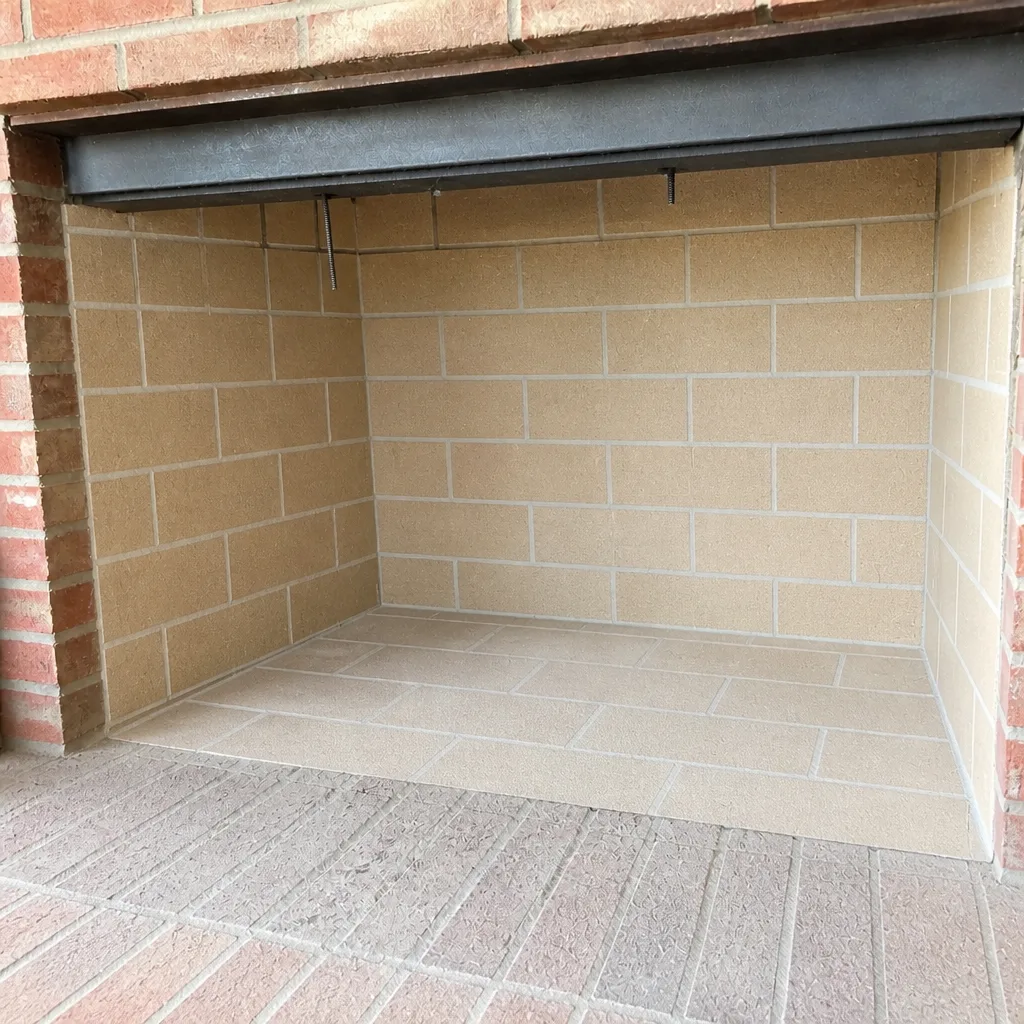
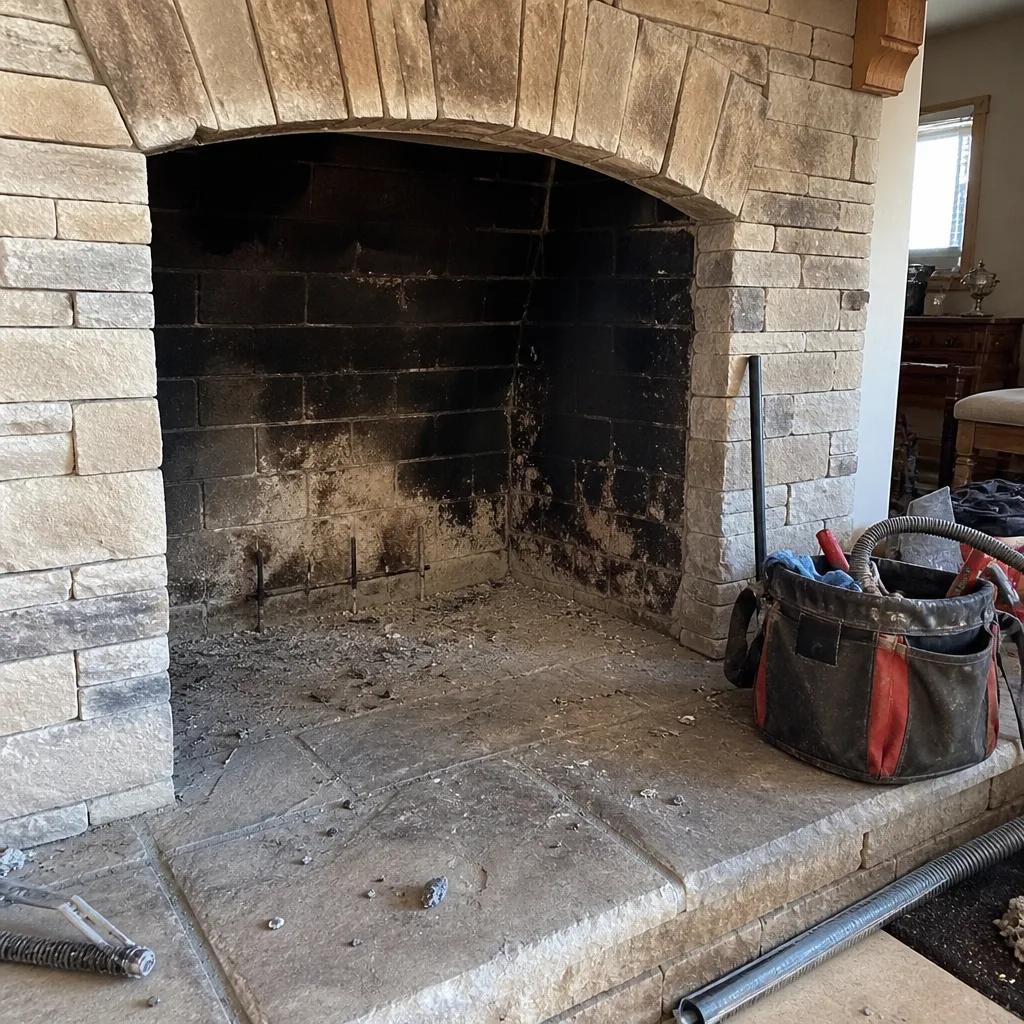
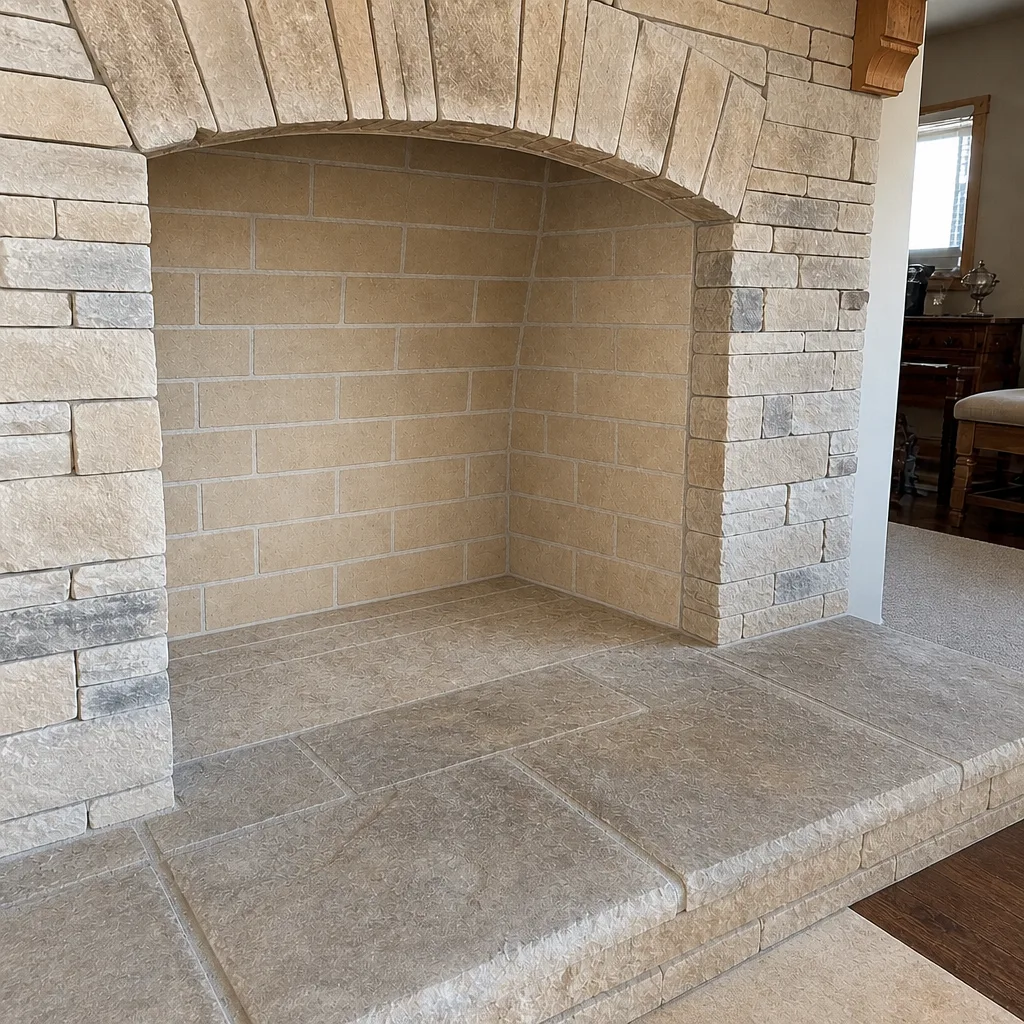
See the difference
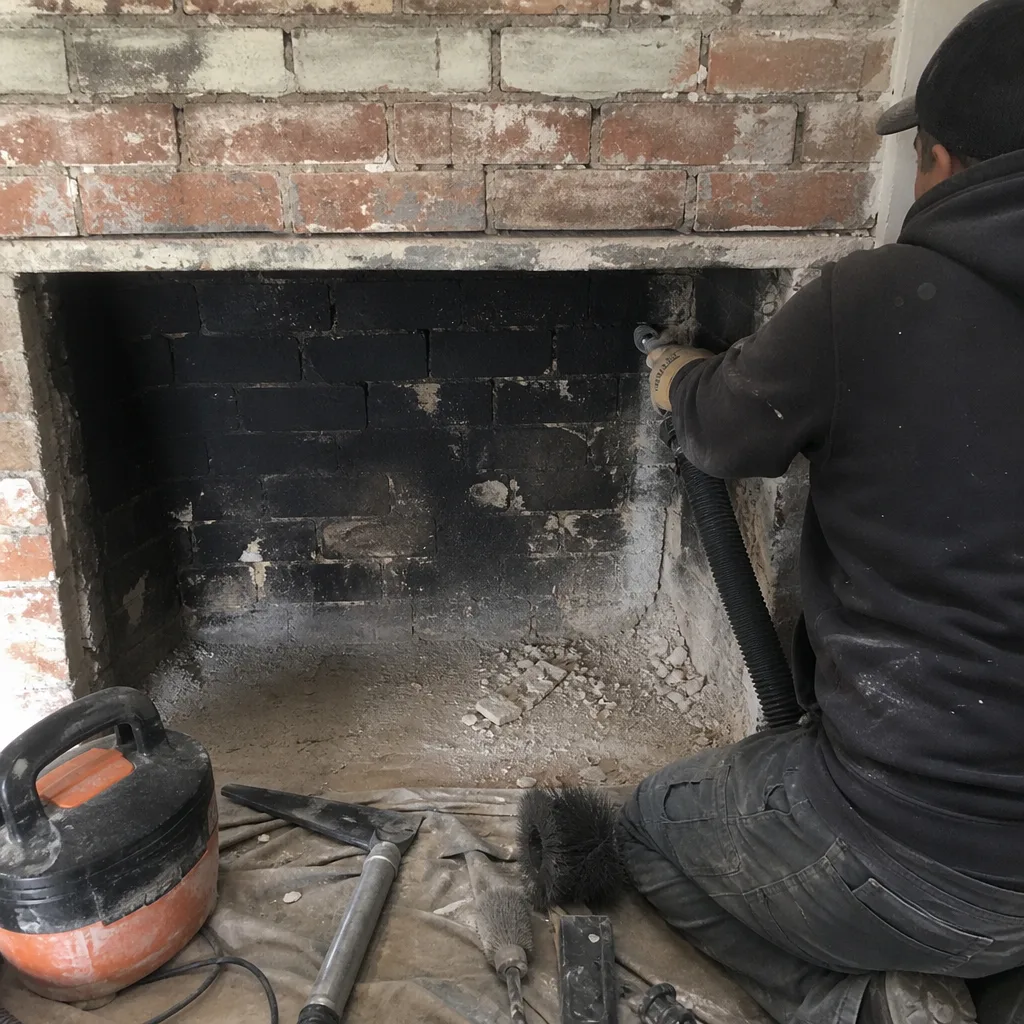 Before
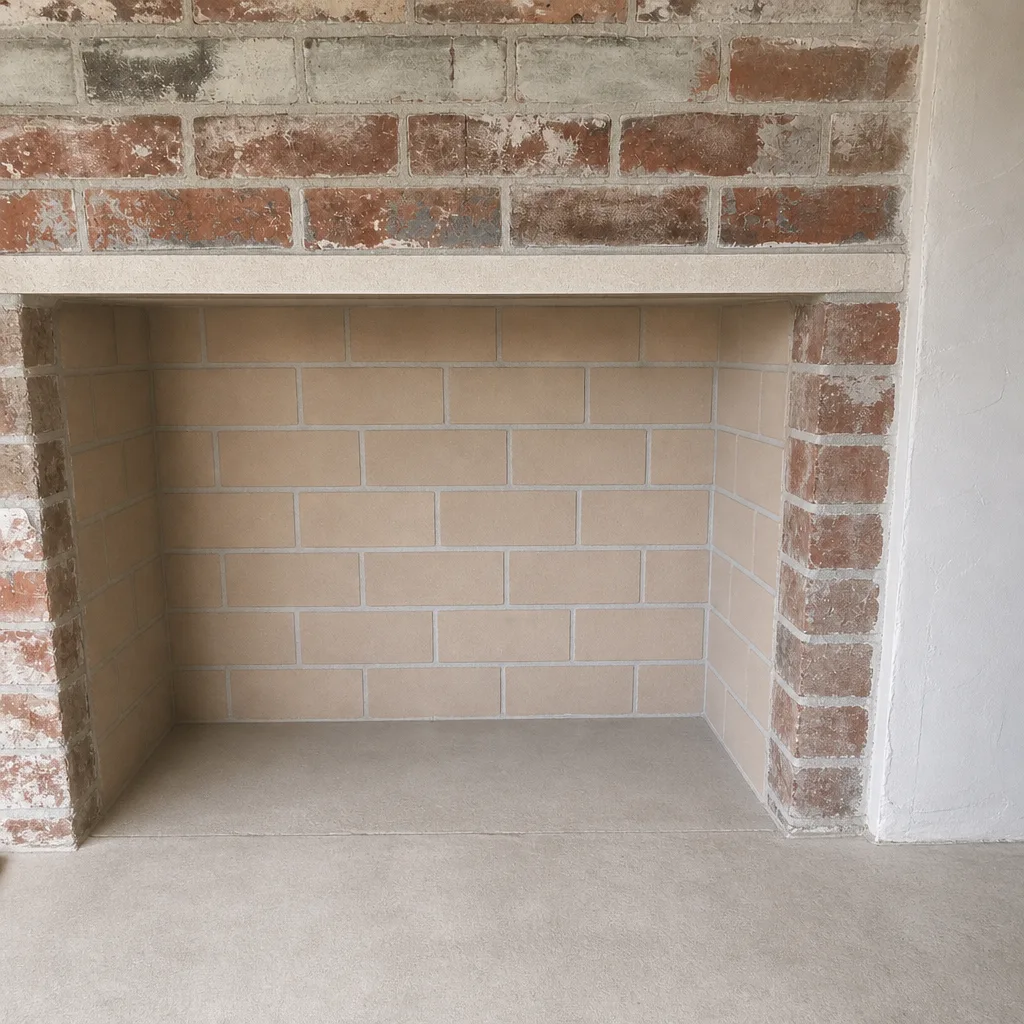 After
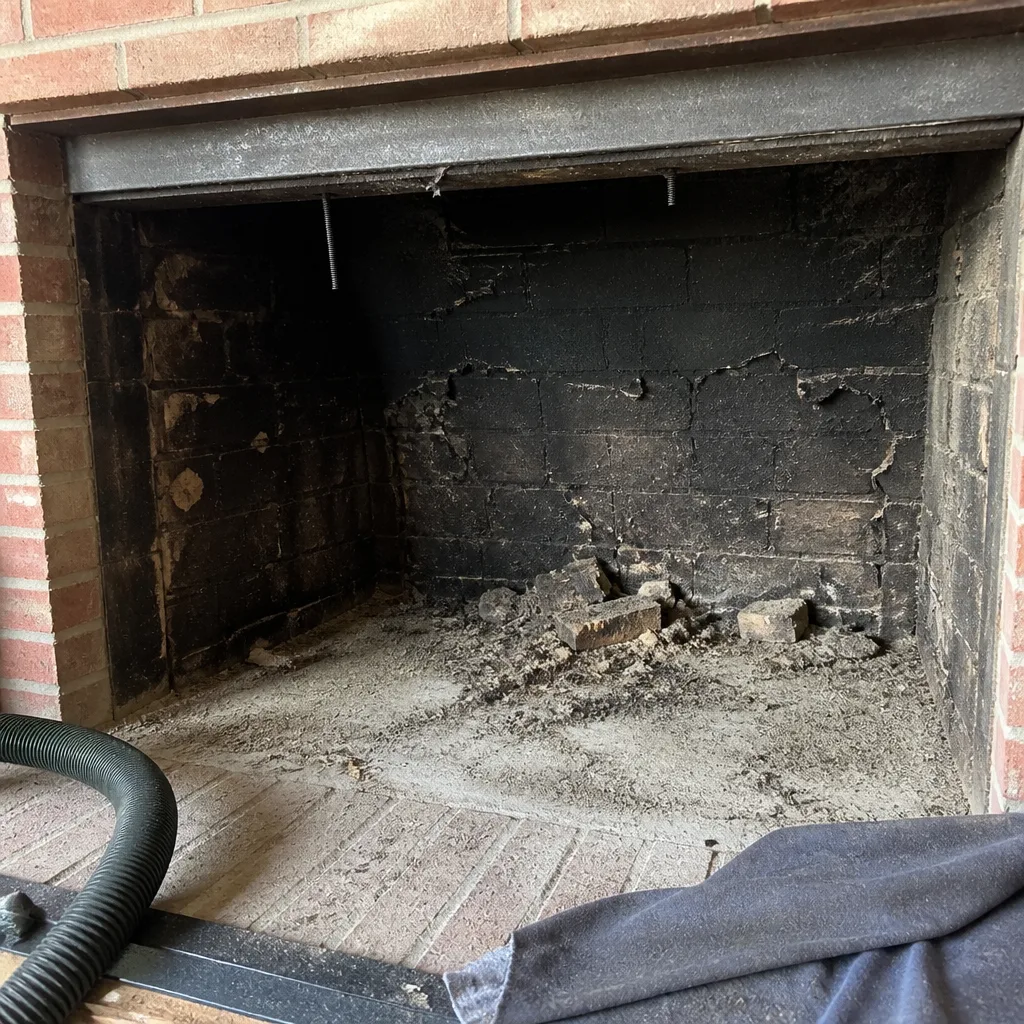 Before
 After
 Before
 After