
Last updated November 15, 2026
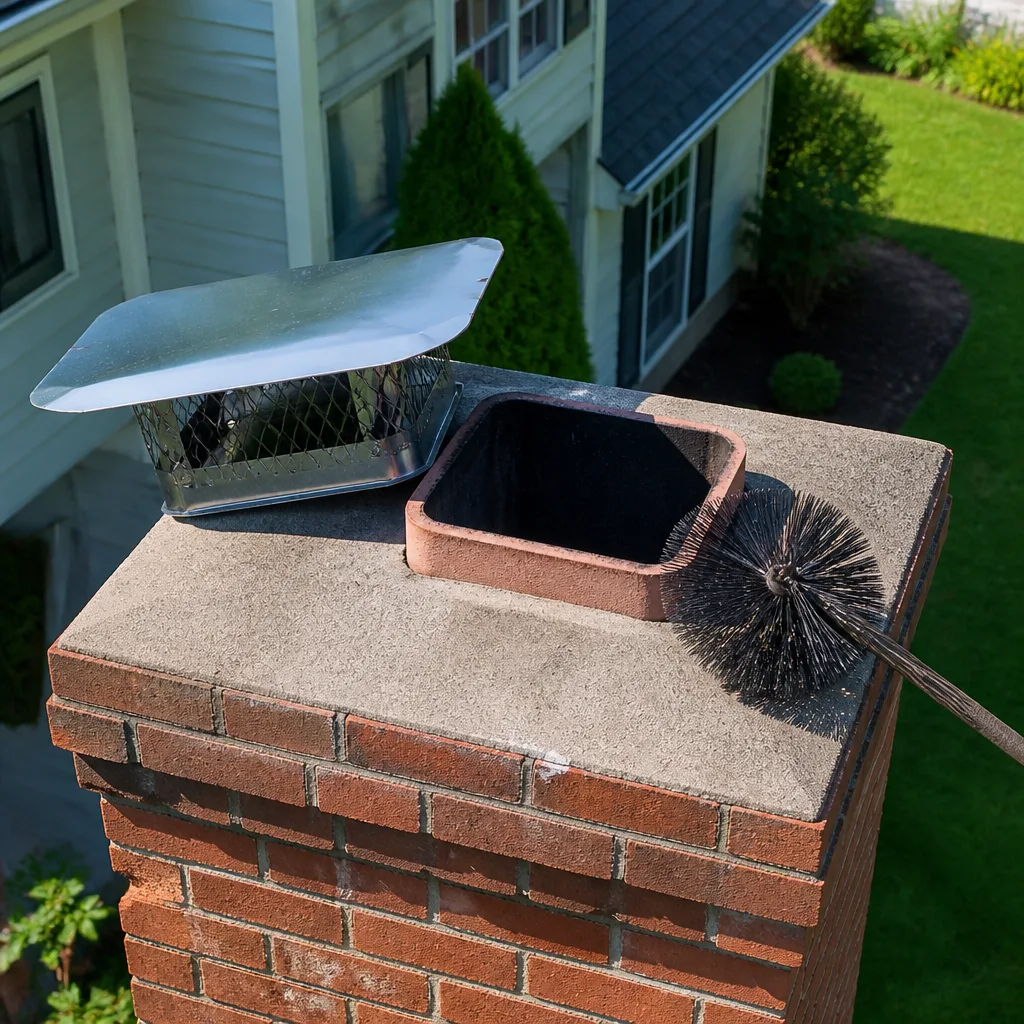 Sweep & inspection
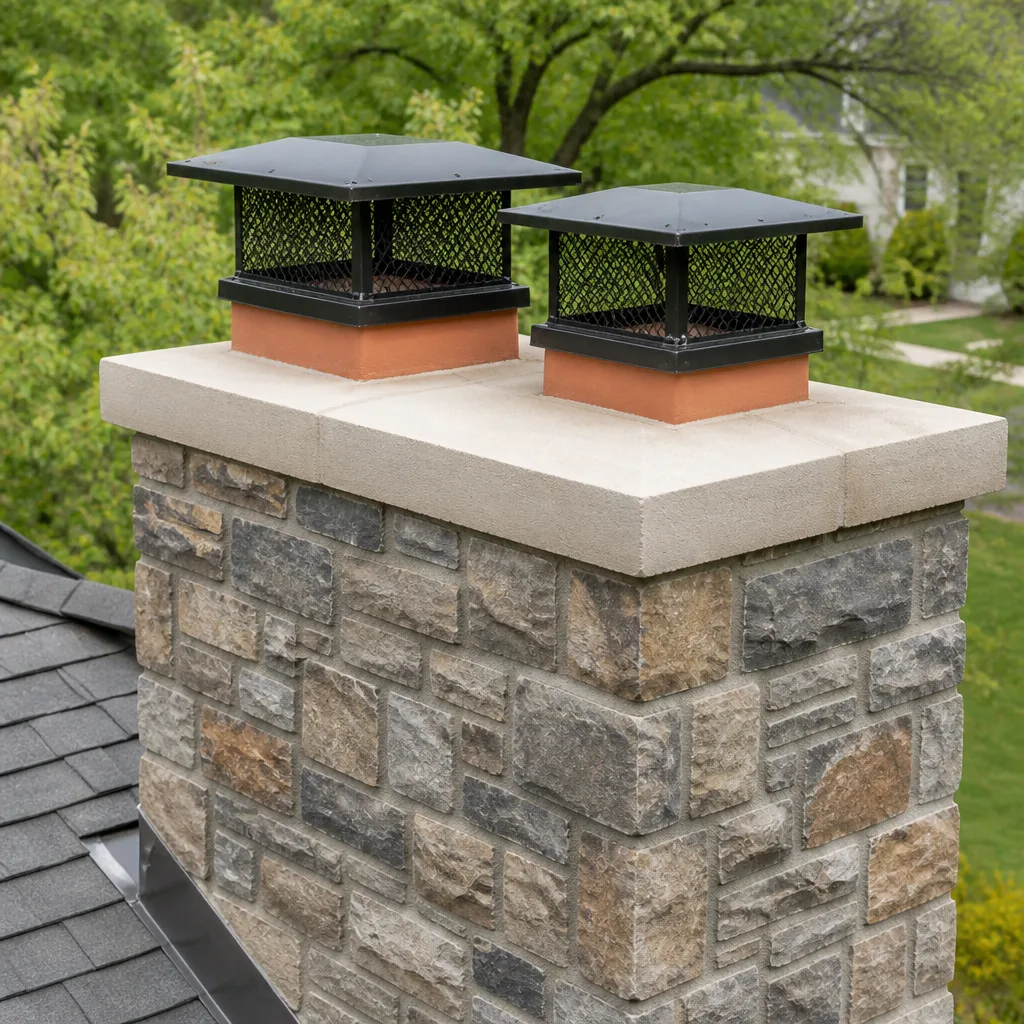 Caps & crowns
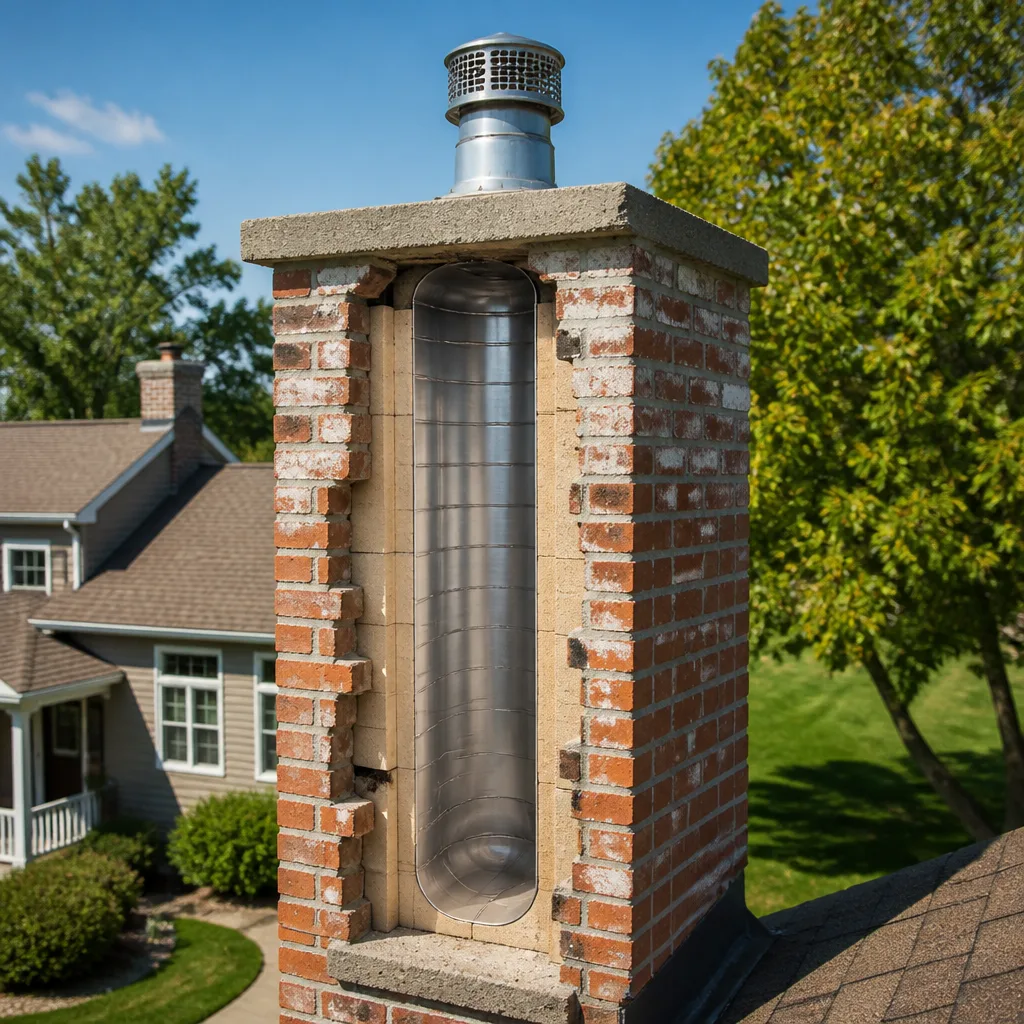 Flue relining
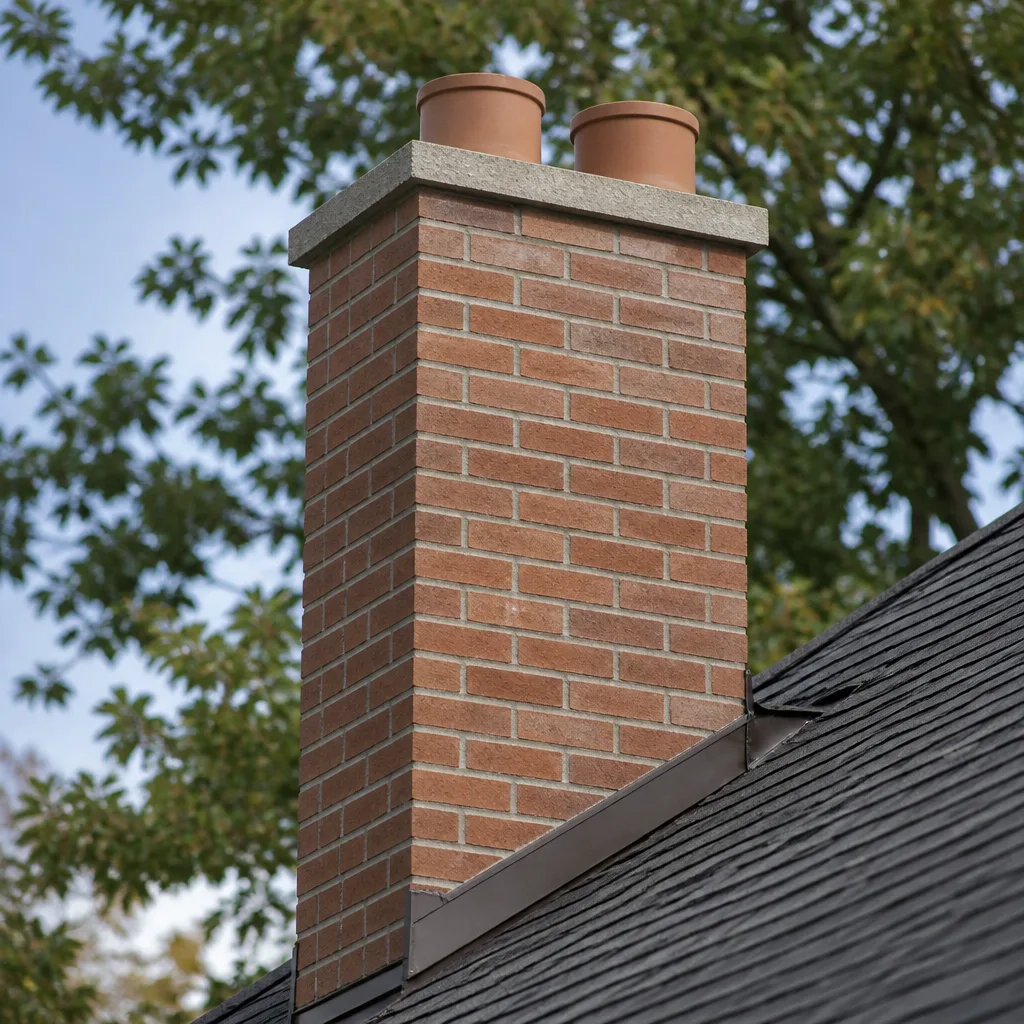 Masonry repair
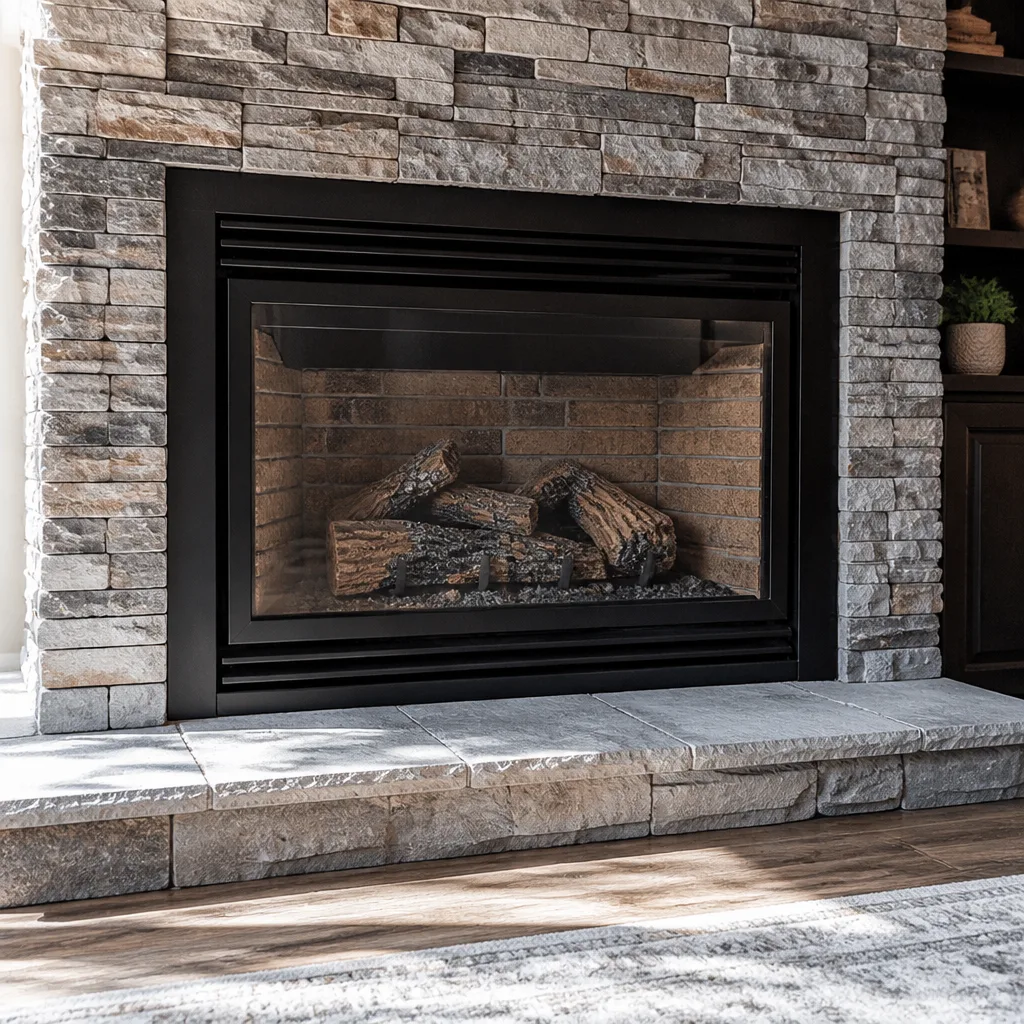 Gas fireplace service
Level 1 sweep and inspection to the NFPA 211 annual standard - flue, crown, cap, and flashing checked and photographed
Chimney sweep logs do not sweep chimneys. They loosen some creosote - which then falls where a brush and vacuum still have to collect it.
How to Hire a Chimney Cleaning Contractor in Provo: A Step-by-Step Guide
Most homeowners vet a chimney sweep the way they vet a pizza place: they skim a star rating, glance at a price, and book whoever answers first. That works for dinner. For a trade that touches fire safety and carbon monoxide venting in your home, it’s the wrong screen. The CSIA certification database is public and searchable by ZIP code, and a contractor whose name isn’t in it cannot legitimately call themselves a Certified Chimney Sweep, yet several operators advertising around Provo use that title freely. This guide walks you through the verifiable steps to tell a qualified specialist from a website with a nice logo.
Quick Answer
To hire a chimney cleaning contractor in Provo, verify three things before you book: current CSIA certification (searchable in the public CSIA database by ZIP code), active Utah DOPL contractor registration, and general liability insurance on a certificate you can read. Then ask whether the contractor can diagnose and repair what the sweep finds, not just sweep and hand you a referral.
Styles & brands we work with
- Sweep & inspection
- Caps & crowns
- Flue relining
- Masonry repair
- Gas fireplace service
Key Takeaways
- CSIA certification and Utah DOPL registration are both checkable in public databases. Do it before money changes hands.
- Ask whether the contractor carries professional-grade liner and resurfacing materials. A sweep-only operation can’t fix what the camera finds.
- A legitimate written estimate describes your chimney system, the creosote stage found, the recommended inspection level, and warranty terms.
- Provo’s cold winters and wood-burning season make regular evaluation a fire-safety concern, not a cosmetic one.
- One visit that covers both the flue and the dryer vent beats coordinating two contractors.
Table of Contents
- Step-by-Step: How to Verify a Chimney Contractor in Provo
- Why CSIA Certification Is Your First Filter
- Utah Licensing and Insurance: What to Confirm
- Five Phone Questions That Separate Experts from Sweep-Only Operators
- Provo-Specific Red Flags to Watch For
- What a Legitimate Written Estimate Must Include
- Why One Visit for Chimney and Dryer Vent Saves Money
- How Often Should You Book a Chimney Sweep in Provo?
Step-by-Step: How to Verify a Chimney Contractor in Provo
Vetting a chimney contractor isn’t guesswork. It’s a short, repeatable sequence you can finish in an afternoon. Run these steps in order and most of the work is done before you ever pick up the phone. Our technicians have up to 15 years of experience, and the checklist below mirrors what we’d want a family member to run before letting anyone near their flue.
- Search the CSIA database by your ZIP code. The Chimney Safety Institute of America keeps a public, searchable directory of certified sweeps. If a company claims the title but doesn’t appear, treat the claim as unverified. Certification also requires continuing education, so a current listing means the sweep stays current.
- Confirm Utah DOPL registration. The Utah Division of Occupational and Professional Licensing tracks contractor registration. Ask for the registration and verify it yourself. A sweep who can’t produce it is operating outside the state framework.
- Request a certificate of general liability insurance. Ask the office to have their insurer email it to you directly. Read the coverage dates. An expired certificate tells you the operation may be flying without a safety net.
- Ask what a visit includes. A qualified sweep cleans, inspects to a defined NFPA 211 inspection level, and documents findings. A sweep-only operator cleans and leaves.
- Ask about repair capability. If the sweep finds cracked mortar joints or a failed liner, can they fix it on the same visit? If the answer is “we’ll refer you,” you’re about to schedule a second contractor.
- Ask for the fee structure in writing. A legitimate operation gives a free estimate, sets the price per job by written estimate, and doesn’t charge a diagnostic fee to tell you what’s wrong.
- Read the estimate before the work begins. Confirm the system description, creosote stage, inspection level, and warranty terms line up with what you discussed.
The point of running all seven is that no single step is airtight on its own. A sweep with a current phone number and a professional-looking truck can still fail steps one through three. The sequence catches it.
Why CSIA Certification Is Your First Filter
The CSIA certification is the industry’s most widely recognized credential for a chimney sweep, and unlike a glossy website, it’s not something an operator can improvise. The database is public and searchable by ZIP code, which means for the first time in this trade, homeowners have a simple binary check: the name appears, or it doesn’t.
Certification isn’t just a marketing badge. It requires the sweep to pass an exam covering venting systems, combustion, and inspection standards, and to keep the credential current through continuing education. That continuing-education requirement matters in Provo, where a sweep has to understand how a wood-burning stove drafts at altitude, how a gas fireplace vents through an exterior wall, and how a clay-tile flue behaves after a hard freeze-thaw cycle. Someone who took a certification test once and stopped reading industry updates is a liability on a diagnostic visit.
When you search, don’t rely on the contractor’s website claiming the title. Search the database yourself and match the exact business name. If it’s listed under a slightly different name, call and ask why. Sometimes that’s a legitimate alias. Sometimes it’s a flag that the credential is being borrowed from a franchise or a former employee.
The same filter applies when you’re using a broader search like “chimney sweep Provo” to build a short list. Rather than reading the results top to bottom, screen each result through the database before you call. It’s faster and it keeps the conversation focused on licensed operators.
Utah Licensing and Insurance: What to Confirm
CSIA certification is a credential. Utah DOPL registration is a business legal requirement. You want both, and they check different things.
DOPL registration shows the contractor is on the state’s radar for the work they’re performing. Ask for the registration number and verify it through DOPL’s public lookup. A contractor who can produce it willingly is showing you they operate inside the rules. A contractor who deflects, says the number is “at the office,” or insists you don’t need it is telling you something too.
Insurance is the second half. General liability coverage protects your home if a sweep knocks a ladder into a window or a repair goes wrong. Ask the office to have their carrier email the certificate of insurance directly to you. Read three things on it:
- The named insured matches the business you’re hiring.
- The coverage dates are current.
- The general liability limits are stated, not left blank.
If the contractor can’t produce current coverage, walk. The savings on a cheap sweep are nothing compared to a repair bill with no one to cover it. For Provo homeowners with a wood-burning fireplace in regular use, the cost of vetting properly is a couple of phone calls.
A note on what insurance doesn’t cover: it’s not a substitute for a warranty on the work itself. Ask separately whether the contractor warrants their repair work, and for how long. We’ll cover what that looks like on a written estimate further down.
Five Phone Questions That Separate Experts from Sweep-Only Operators
Once the databases check out, the phone call is where you separate a diagnostic specialist from a sweep-and-run operation. Ask these five questions on the first call and listen for concrete answers.
- “What NFPA 211 inspection level will you perform?” The National Fire Protection Association defines inspection levels. A technician who can name the level they work to knows the standard. One who says “we look at it” doesn’t.
- “Do you carry HeatShield resurfacing capability for mortar joints?” HeatShield is a ceramic resurfacing system used to repair cracked or deteriorating flue joints. If the answer is no, a cracked-joint finding becomes a second contractor’s job.
- “Do you work with flexible stainless liner systems like DuraFlex?” Relining a flue with a stainless liner is a repair, not a sweep. If the contractor doesn’t reline, you’ll pay two visits and two estimates.
- “What documentation do I get after the visit?” A qualified sweep provides a written report describing what was found. A camera inspection with a photo report lets you see the creosote and the joint condition yourself instead of taking it on faith.
- “Can you also clean my dryer vent on the same visit?” More on why this matters in a section below, but ask up front. Scheduling both at once saves you a second visit and a second diagnostic fee.
Listen for specifics. “We use industry-grade materials” is a marketing answer. “We use HeatShield, not generic patching compounds” is a technician’s answer. Brand fluency is a signal: a contractor who names HeatShield, DuraFlex, Gelco, or Olympia Chimney in the right context knows the products they’re installing.
Provo-Specific Red Flags to Watch For
Provo’s housing market has grown quickly, and with that growth the market for cheap, unvetted services has grown too. A few patterns show up repeatedly in this area:
- Unusually low flat-rate ads on social marketplaces. A price so low it doesn’t cover the time and equipment for a real inspection is a warning, not a bargain. Real work costs real money, and a written estimate sets the final price.
- No physical Utah County business address. A legitimate contractor can produce a Utah County location or a registered agent. A faceless ad with a phone number and no verifiable address is a coin flip.
- Cash-only pricing. A contractor who only takes cash is harder to verify, harder to hold to a warranty, and often working below the table. Ask for a written estimate and a standard payment method.
- Pressure to approve work before you see evidence. If someone tells you the liner is failed without showing you a camera image, hold off. Our approach is that nothing is recommended without camera evidence you can see for yourself.
- Claims of “CSIA certified” on the website but no listing in the database. Run the search. It takes ninety seconds and it’s the single best screen for this trade.
- Vague answers on inspection level and documentation. A technician who can name the inspection level and describe the report they provide is the one you want.
None of these flags on their own is disqualifying. Two or three together, and you should walk. For a Provo homeowner booking a sweep before burning season, the difference between a real contractor and a fly-by operation is a handful of verification steps and one phone call.
What a Legitimate Written Estimate Must Include
The written estimate is where a professional operation becomes accountable. It’s not a sticky note with a number. It should describe the work with enough precision that you could hand it to another contractor and they’d understand the job. Here’s what a legitimate estimate should include, and what each line tells you.
- A description of your chimney system. Type of flue (clay tile, metal, masonry), appliance type (wood-burning fireplace, insert, gas appliance), and any exterior termination. If the estimate doesn’t identify the system, the technician hasn’t looked closely enough.
- The creosote stage found at time of service. Creosote builds up in stages, and the stage determines whether a standard sweep is enough or a more involved cleaning is required. Naming the stage is how a professional communicates what the flue actually looked like.
- The recommended NFPA 211 inspection level. This references a defined standard, not a general opinion. It tells you what scope the technician is working to.
- Recommended repairs, with camera evidence. If a HeatShield resurfacing or a flexible stainless reline is recommended, you should see the damaged joint or liner on a photo report. If the estimate recommends thousands in repair work without evidence, ask a simple question: “Can I see the photo report?” A legitimate operation provides it.
- Warranty terms on the repair. If the work is warranted, the estimate says for how long and covers what. If it doesn’t, ask.
- The price per job. A written estimate sets the final price. It’s a fixed estimate for the work described, not a range that moves after the fact.
We use a camera inspection with a photo report on every visit precisely because it replaces trust-me pricing with evidence you can review on your own time. If part of the work can safely wait until next season, a legitimate estimate says so.
Why One Visit for Chimney and Dryer Vent Saves Money
Every residential dryer vent is a ventilation system, and a dirty one is a fire hazard: the NFPA identifies dryer vent buildup as a leading cause of residential structure fires. That’s why a contractor who handles both the chimney flue and the dryer vent is a different category of professional from a sweep-only operation, and why hiring both services on one visit is worth the effort. Here’s how it usually plays out in a Provo home:
- An inspection visit covers the chimney flue first: clean, inspect to the defined level, and document.
- The same technician then inspects and cleans the dryer vent, checking the run from the appliance to the exterior termination.
- Any repairs found on either system (a HeatShield joint repair, a new Gelco or Famco vent cap, or a flexible stainless reline) get quoted on the same written estimate.
- You approve once and schedule once.
Two contractors means two scheduling windows, two estimates, and two diagnostic visits. One contractor with both capabilities means you resolve the whole-home ventilation picture in a single appointment. For Provo families running a wood insert all winter and a dryer all year, one trustworthy call that resolves both fire-risk concerns is a lot less friction than two.
If you want to read more about the dryer side of the equation, there’s a separate guide on dryer vent cleaning worth reviewing before your next appointment.
How Often Should You Book a Chimney Sweep in Provo?
The general industry rule is once a year for an actively used wood-burning fireplace or stove, evaluated by a qualified sweep each season. Provo’s winters run cold and the wood-burning season is long, which means most homeowners with a working fireplace are burning enough to justify an annual evaluation. Gas fireplaces need less frequent sweeping but still need an annual check for venting, blockage, and debris, since a gas appliance that isn’t drafting properly is a carbon monoxide concern.
Beyond the calendar, book an inspection when any of these is true:
- You’ve moved into a new home and can’t confirm when the flue was last evaluated.
- A home inspection flagged the chimney or the dryer vent.
- An insurance review asked for documented service.
- You smell creosote or see soot staining around the firebox.
- You’ve changed what you burn or installed a new insert.
Seasonal timing matters as much as frequency. Booking a sweep before burning season means you resolve any liner or joint issues while there’s time to schedule repair work without rushing. It also means you’re not the tenth caller in a week asking for a visit during the coldest stretch of the year.
If you’re new to Provo or have just closed on a house, this is a natural moment to read through Provo and get oriented to the local housing stock and the fireplace systems that come with it.
Common Mistakes to Avoid
- Booking on price alone. The cheapest ad is often the sign of a sweep who won’t inspect beyond a surface pass. A price that seems too low to cover an hour on site is probably exactly that: too low to cover real work.
- Skipping the CSIA database check. Searching the public database by ZIP code takes ninety seconds. It’s the most reliable screen you have, and several area operators count on you not running it.
- Assuming the sweep will also repair. Cleaning and repair are different jobs. Confirm HeatShield and DuraFlex capability on the first call, or you’ll be scheduling a second contractor after the first visit.
- Accepting a repair recommendation without camera evidence. If you’re told the liner is failed, ask to see the photo report. Nothing should be recommended that you can’t see for yourself.
- Forgetting the dryer vent. A Provo homeowner who books the flue but not the dryer vent leaves one fire risk unaddressed and pays for two visits. Bundle them.
- Getting an estimate verbally over the phone. A phone quote isn’t a written estimate. Ask for the system description, creosote stage, inspection level, and warranty terms in writing.
- Booking during burning season after a problem shows up. The best inspection is a preventive one, before the first fire of the year. If you’ve been burning on a flue you haven’t had evaluated, book an inspection sooner rather than later.
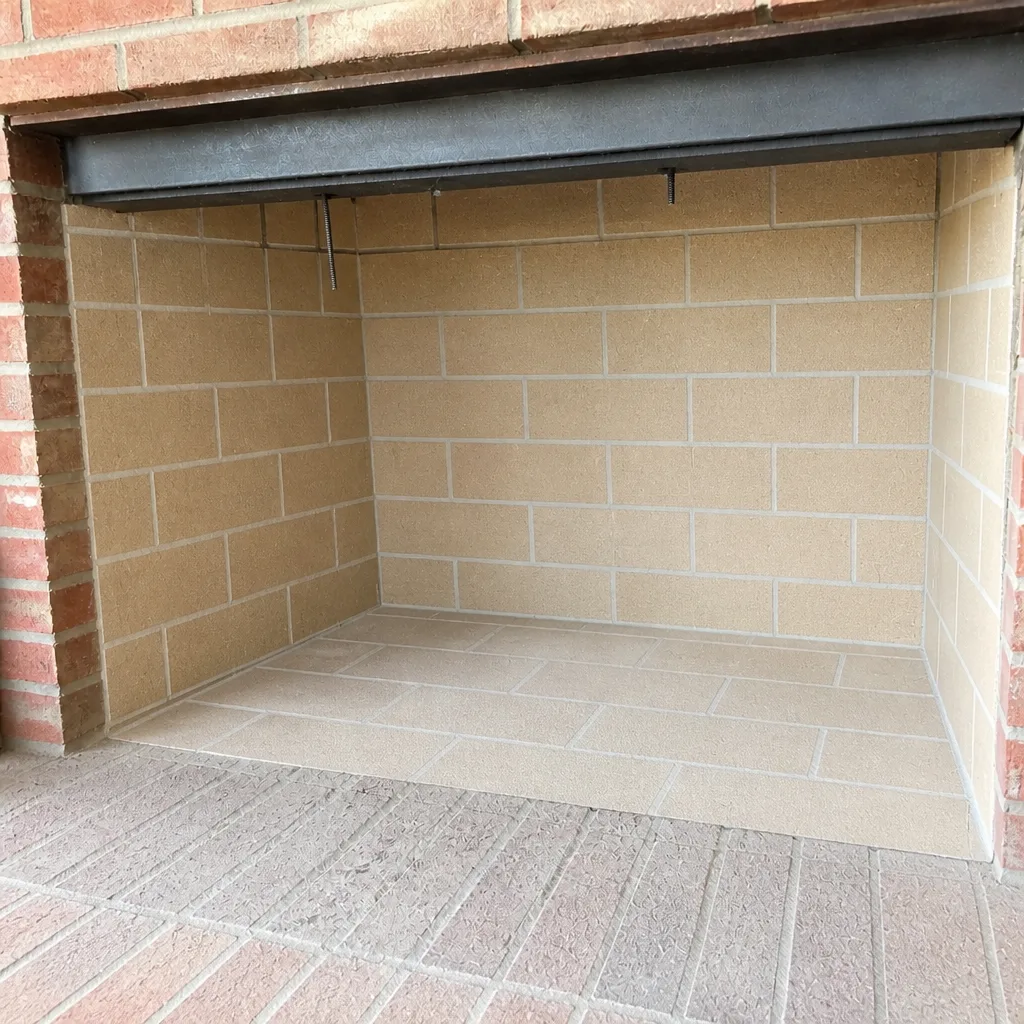
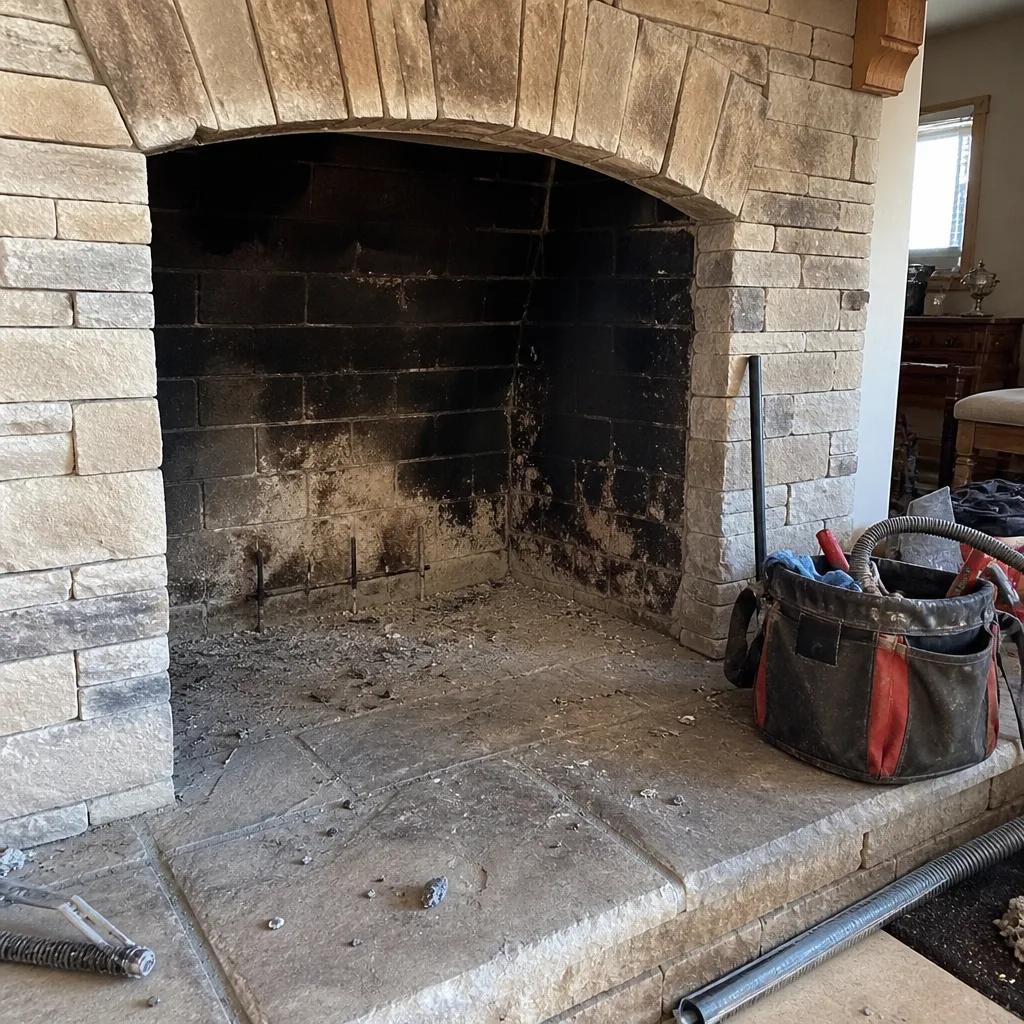
See the difference
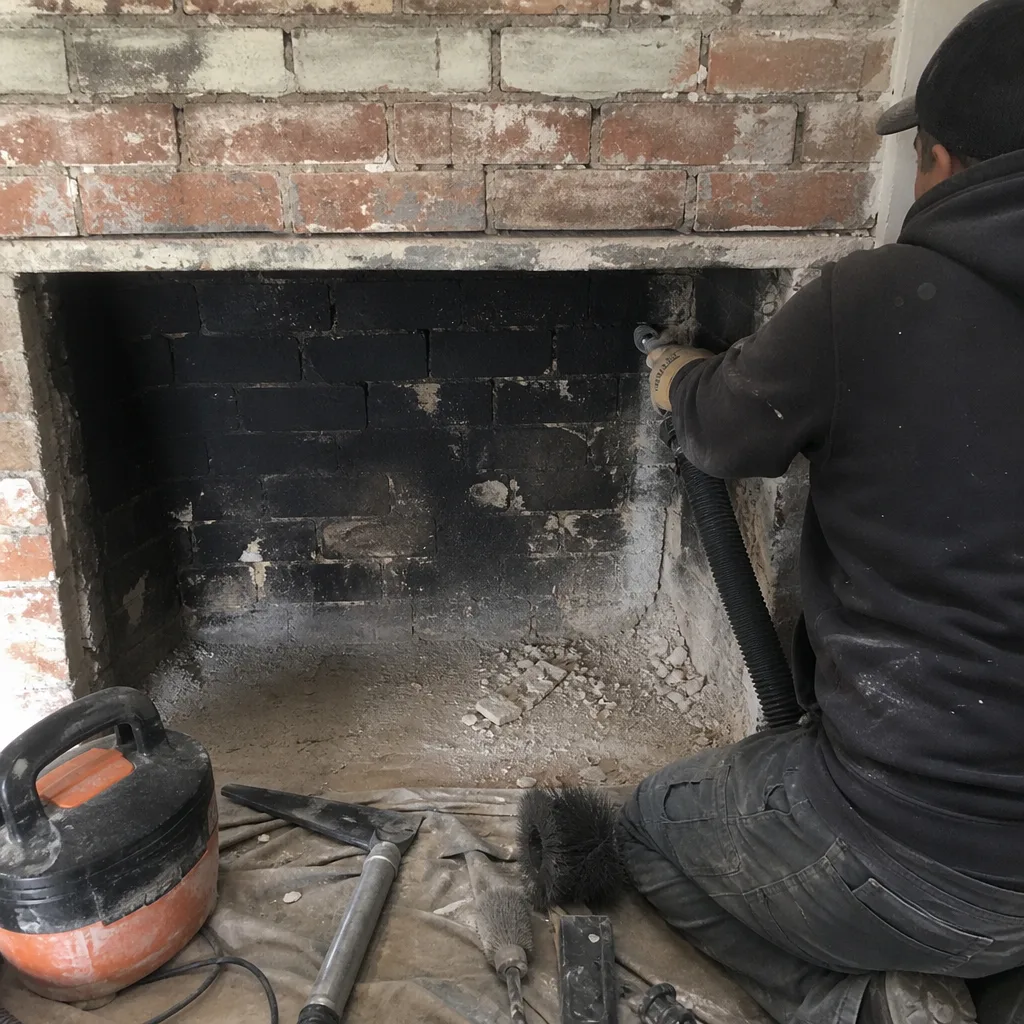 Before
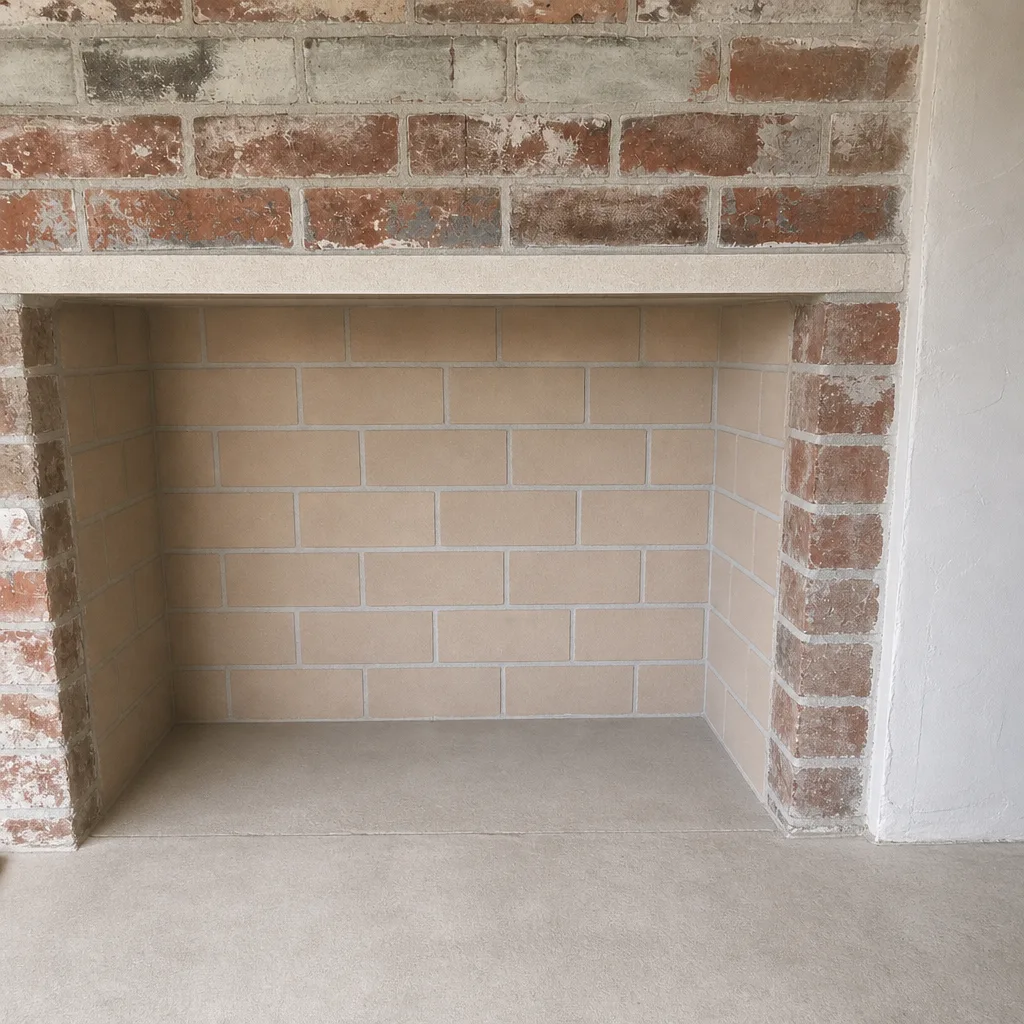 After
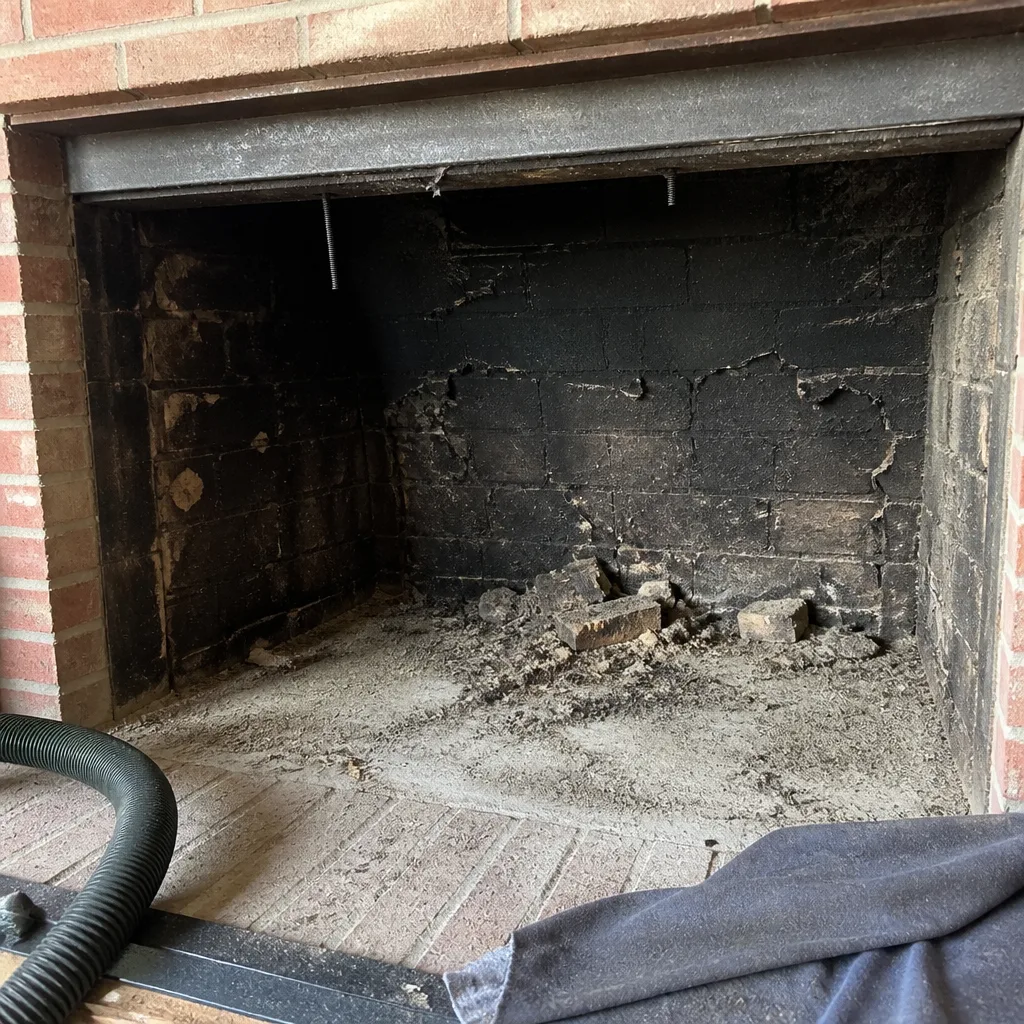 Before
 After
 Before
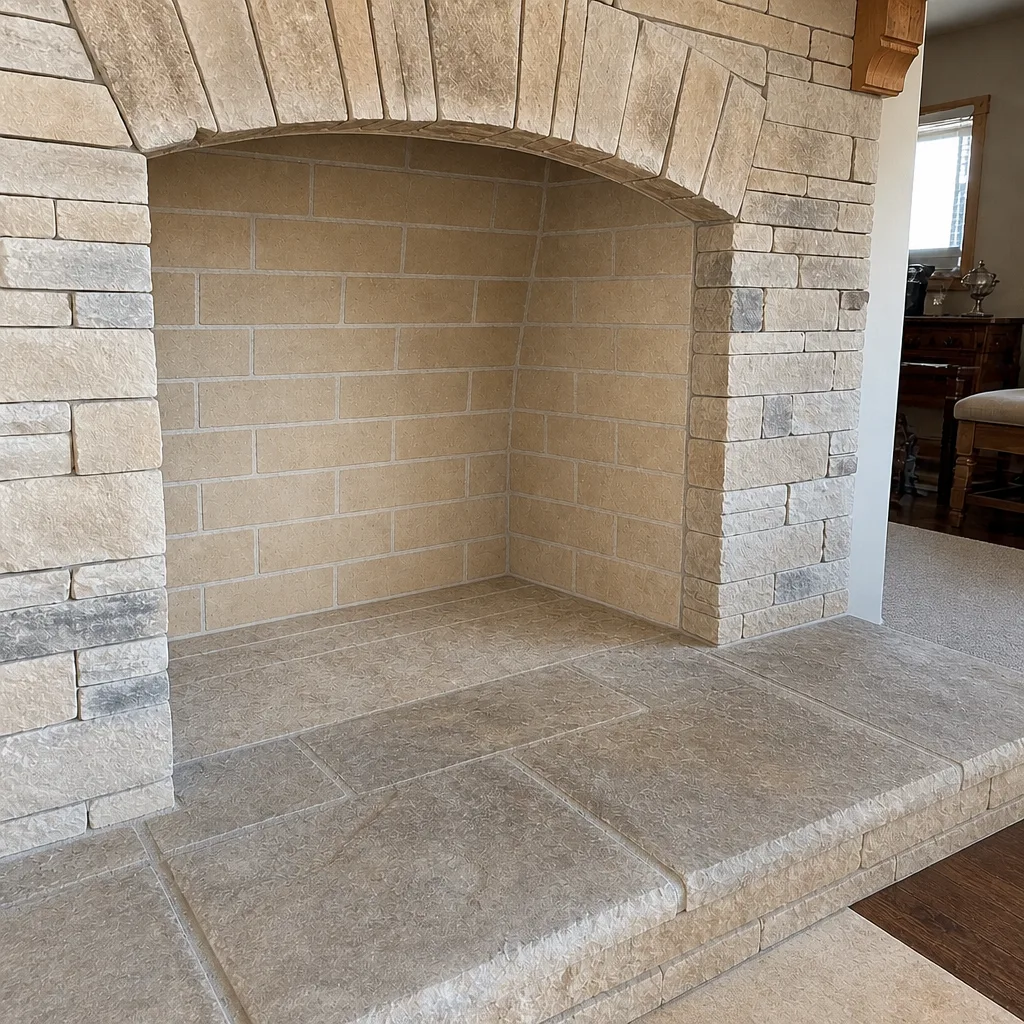 After
When to Call a Professional
You should call a professional chimney contractor if you’ve never had the flue inspected, if the flue hasn’t been evaluated in over a year of use, if a home inspection or insurance review flagged it, or if you notice any symptom that suggests the system is compromised: a smoky draft, soot on the firebox surround, or a smell you can’t place. If the dryer is taking longer than it used to, that’s a dryer-vent call. If you’ve noticed all three of those at once, one visit can handle it. Chimney Sweep Provo offers free estimates in Provo. Call (855) 340-2065. We answer 24/7. Fast dispatch from 7am to 7pm, Sunday through Friday.
Frequently Asked Questions
A standard chimney sweep in Provo is priced per job by a written estimate after we see the system, so the number depends on your flue type, how much creosote has built up, and whether repair work is found. The estimate is free, the price is set on paper before work starts, and repairs are quoted separately on the same document. Call (855) 340-2065 for an exact quote; estimates are free.
Only if there’s evidence the current one has failed. A liner replacement is recommended when a camera inspection shows cracked tiles, gaps, or a failed stainless liner that venting can’t pass safely. Nothing is recommended that we can’t show you in a photo report. Ask to see the image of the damaged section, and if the work can safely wait until next season, we’ll tell you. Call (855) 340-2065 for an exact quote; estimates are free.
Once a year for an actively used wood-burning fireplace or stove, evaluated by a qualified sweep each season. Gas fireplaces need less frequent sweeping but still need an annual venting and blockage check. In Provo, the wood-burning season runs long, so we recommend booking before burning season rather than during it. Call (855) 340-2065 for an exact quote; estimates are free.
Creosote builds up in stages and, past a certain stage, it’s a chimney fire risk. A blocked or damaged flue also stops venting properly, which is where carbon monoxide becomes a concern rather than just a mess in the firebox. Skipping an annual sweep doesn’t cause a problem the moment you miss it, but it removes the documentation and the early catch that a trained sweep provides. Call (855) 340-2065 for an exact quote; estimates are free.
Yes, and it’s worth asking for both on one visit. A contractor with combined capabilities inspects the flue, inspects and cleans the dryer vent run, and quotes any repairs on the same estimate. That saves a second appointment and a second diagnostic visit. Chimney Sweep Provo handles chimney sweep work and dryer-vent cleaning together. Call (855) 340-2065 for an exact quote; estimates are free.
Search the CSIA database by ZIP code and look for the contractor’s exact business name. Then verify Utah DOPL contractor registration through the state’s public lookup and ask for a current certificate of general liability insurance emailed from the insurer. All three checks are free and finishable in an afternoon. Call (855) 340-2065 for an exact quote; estimates are free.
The Bottom Line
Hiring a chimney contractor in Provo comes down to verification, not marketing. Search the CSIA database by your ZIP code, confirm Utah DOPL registration and current general liability insurance, then ask the five phone questions that separate a diagnostic specialist from a sweep-only operation. Demand a written estimate covering your system, the creosote stage, the recommended NFPA 211 inspection level, and warranty terms, and ask to see a photo report before approving any repair. Bundle the dryer vent into the same visit. Run that sequence and the contractor you hire is one you can defend to your insurer, your home inspector, and your family.
Get a Free Estimate in Provo
Whether you need a pre-season sweep, a documented inspection after a home inspection flagged your flue, or a repair finding turned into a written plan, we’re ready to help. We clean, inspect, and repair in a single visit, and we don’t just flag problems – we fix them. Industry-grade materials, camera evidence you can review, and a written estimate before work begins. Reach out through Chimney Sweep Provo. Call (855) 340-2065. We answer 24/7. Fast dispatch from 7am to 7pm, Sunday through Friday.
Written by the team at Chimney Sweep Provo.