
Last updated November 15, 2026
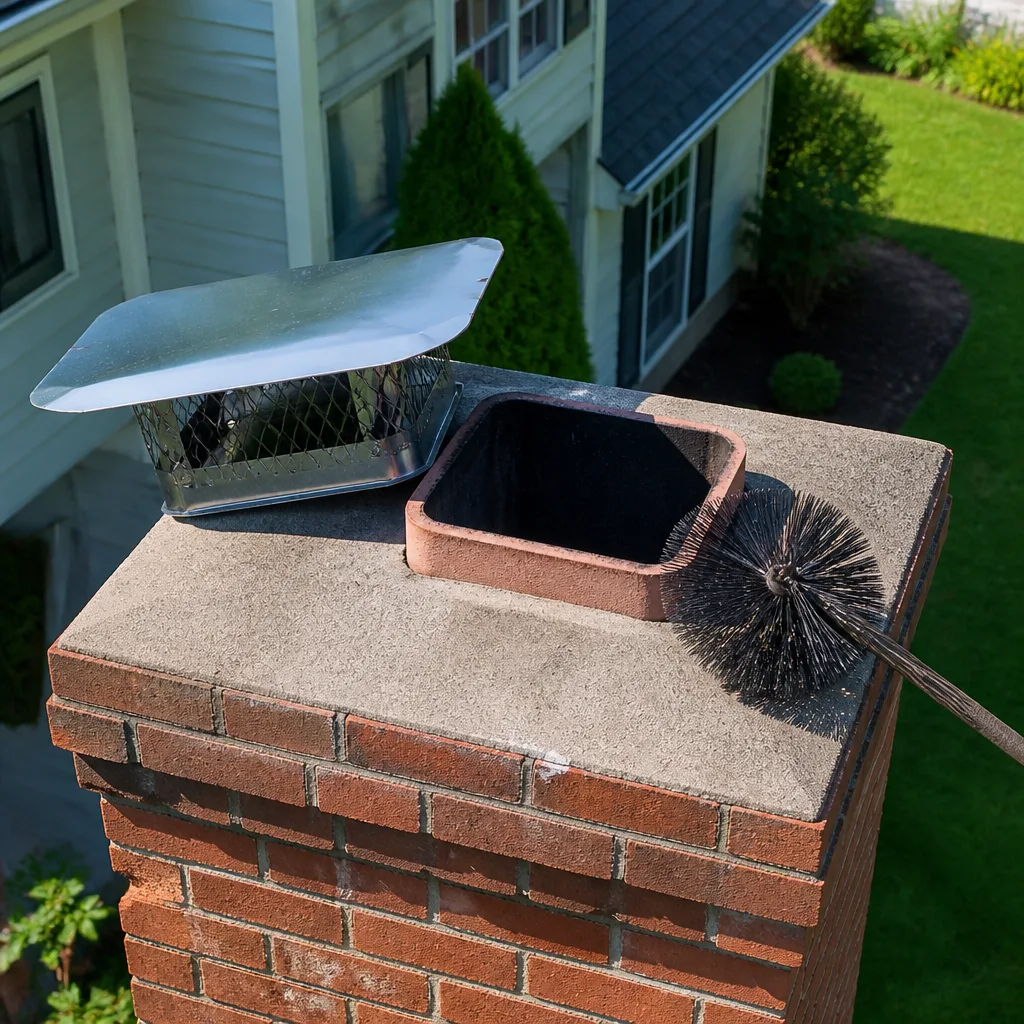 Sweep & inspection
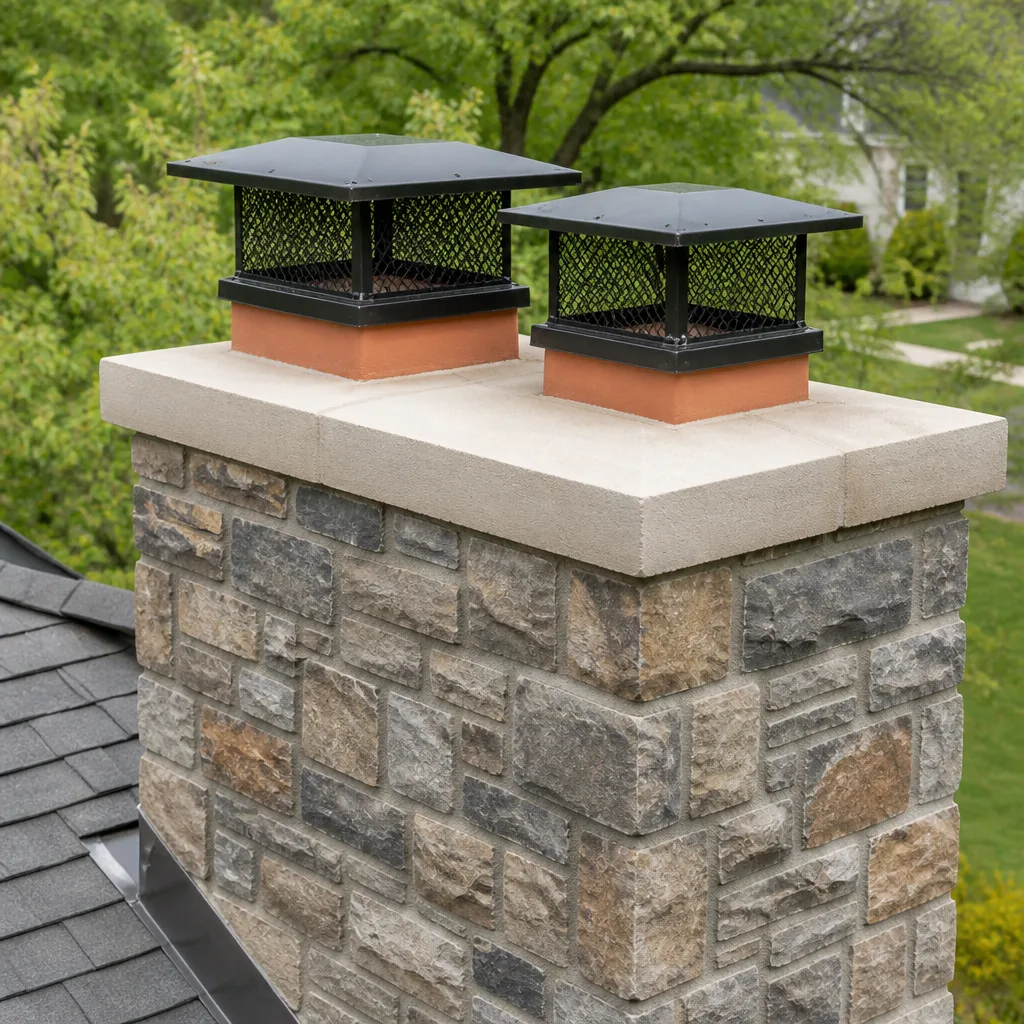 Caps & crowns
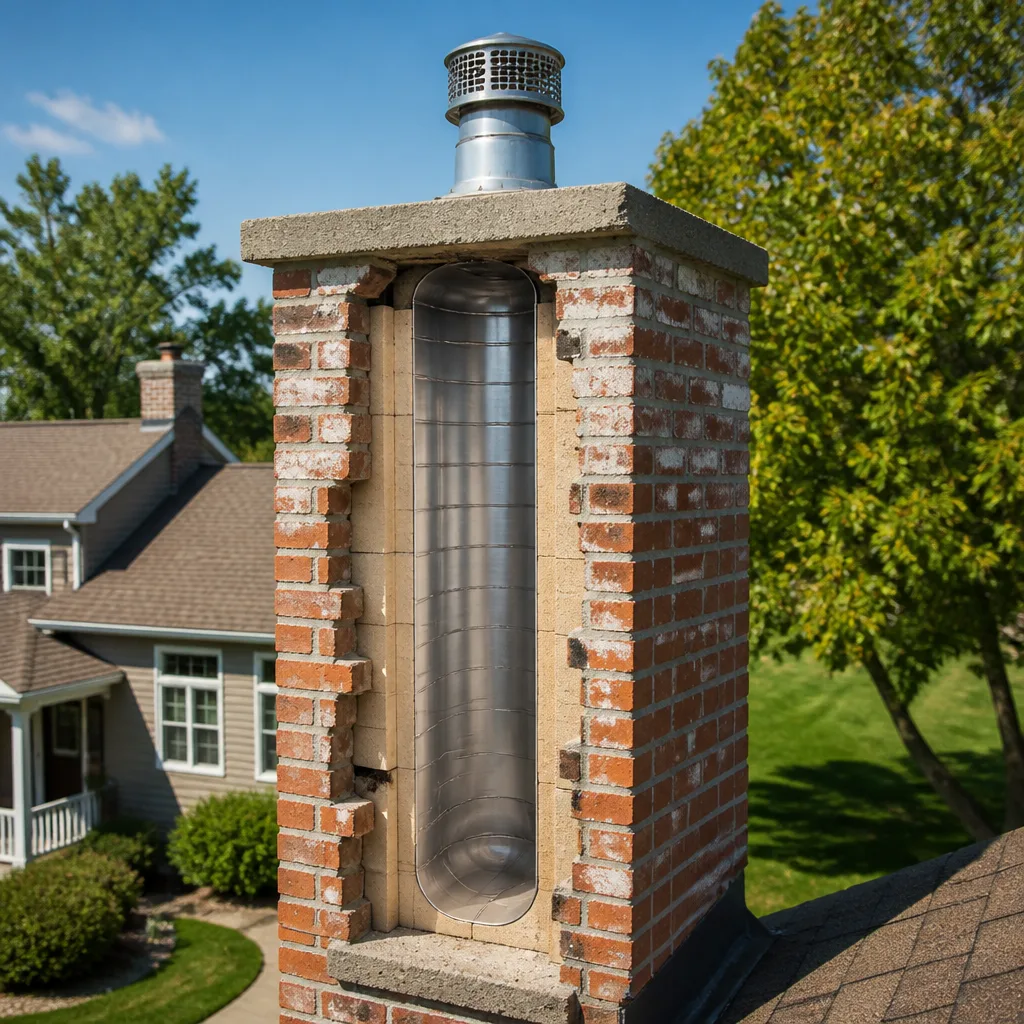 Flue relining
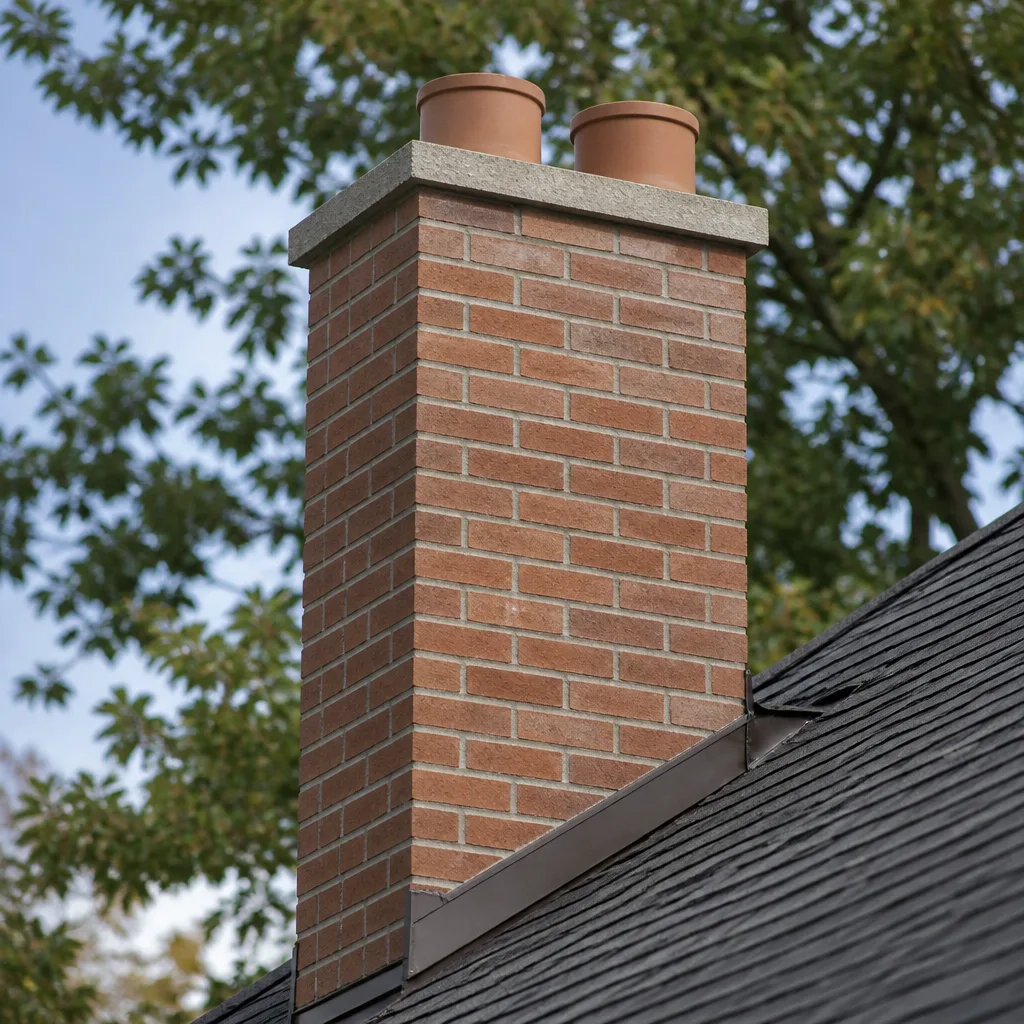 Masonry repair
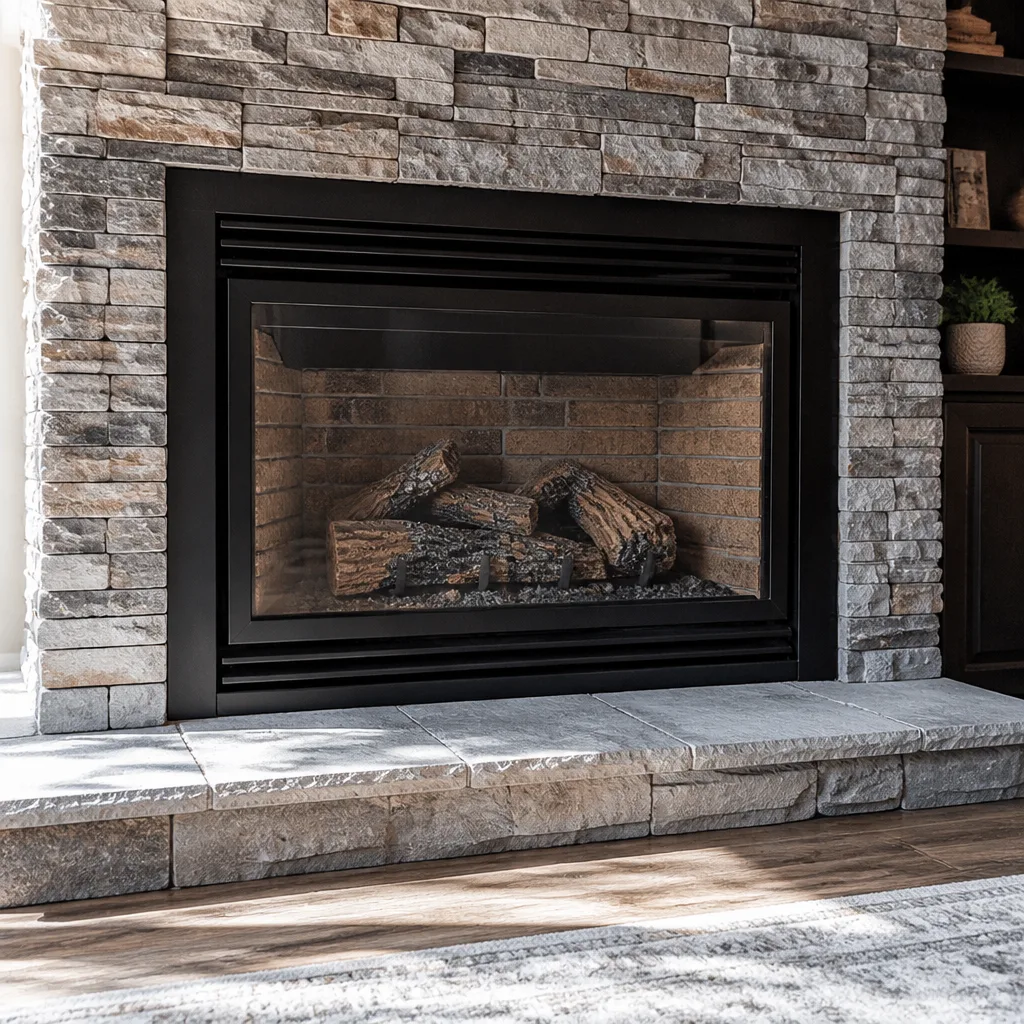 Gas fireplace service
Level 1 sweep and inspection to the NFPA 211 annual standard - flue, crown, cap, and flashing checked and photographed
Chimney sweep logs do not sweep chimneys. They loosen some creosote - which then falls where a brush and vacuum still have to collect it.
Seasonal Chimney Cleaning Care for Provo: Year-Round Homeowner’s Guide
Most homeowners think about their chimney once a year, in late October, right before the first fire. That timing is backwards. In Provo, the chimney cap and the mortar crown take their worst beating not in January but in March and April, when freeze-thaw cycles open hairline cracks in masonry that held together perfectly through the entire heating season. Water gets in, freezes overnight, expands, and the damage compounds while the fireplace sits unused. By the time fall arrives, a crown that looked fine in February may be spalling brick and rusted metal. This guide walks through all four seasons of chimney care as they actually play out in Utah Valley, so you can inspect, clean, and repair on the schedule the local climate demands.
Quick Answer
Chimney care in Provo isn’t a single pre-winter sweep. It’s four seasonal checkpoints: a spring inspection after freeze-thaw damage, a summer look for wildlife and a blocked flue, a September sweep timed ahead of inversion season, and a mid-winter check for smoke rollout and creosote buildup. Add dryer vent cleaning to the same schedule, since lint accumulation climbs in winter when laundry volume rises. If you handle all four, your flue stays sound, your draft stays strong, and you avoid the fall scramble.
Styles & brands we work with
- Sweep & inspection
- Caps & crowns
- Flue relining
- Masonry repair
- Gas fireplace service
Table of Contents
- Why Provo’s Climate Creates Four Chimney Stress Cycles
- Spring: The Freeze-Thaw Damage Window
- Summer: Wildlife, Blocked Flues, and Why Caps Matter
- Fall: Why September Beats October for a Sweep
- Winter: Mid-Season Warning Signs to Watch
- Mapping Dryer Vent Care to Your Chimney Schedule
- The Full-Year Chimney Maintenance Checklist
- Common Mistakes to Avoid
Why Provo’s Climate Creates Four Chimney Stress Cycles
Provo sits in Utah Valley against the Wasatch Range, and that geography does something to masonry that homeowners from milder places don’t fully expect. The valley holds cold air in winter and warms quickly in spring, which means a chimney cap can sit at 40 degrees at noon and drop below freezing by 2 a.m. Water that soaks into mortar during the day expands when it freezes, and that expansion pushes the mortar apart, one tiny crack at a time. Repeat it forty or fifty times over a spring, and a crown that was intact in February is crumbling by May.
There’s a second local factor: hard water. Provo’s municipal water carries dissolved calcium and magnesium, and when sprinkler overspray or roof runoff hits the chimney crown, those minerals deposit on the surface. The deposits don’t just stain. They hold moisture against the mortar, which gives the freeze-thaw cycle a longer window to work. You’ll often see a chalky white crust on the crown of an older Provo chimney, and underneath it the mortar is usually softer than it looks.
Then there’s the heating season itself. Wood smoke leaves creosote, and creosote hardens as temperatures fall. A flue that glazes over in January is far harder to brush clean than one handled in September. Glazed creosote is the fuel for most chimney fires, which is why the timing of a sweep matters as much as the sweep itself.
We think of these as four distinct cycles because each one stresses a different part of the chimney:
- Spring: moisture and freeze-thaw hammer the crown, cap, and exterior masonry.
- Summer: heat and open flues invite wildlife, and a blocked flue changes how the liner heats.
- Fall: temperature inversions in the valley affect draft, and creosote hardens as the air cools.
- Winter: active use builds creosote fast, and small problems turn into smoke rollout and odor complaints.
Treat chimney care as a year-round rhythm in Provo, and each season’s work gets easier. Treat it as a one-event task and you’re always reacting to damage instead of preventing it.
Spring: The Freeze-Thaw Damage Window
Spring is when the chimney shows what winter did to it. The crown, which is the sloped concrete or mortar cap on top of the chimney, is the first place to look. A sound crown sheds water away from the flue. A failed crown has hairline cracks, chunks missing from the edge, or mortar that crumbles when you press a screwdriver into it. Once the crown fails, water runs down into the brick and the flue, and that’s where the expensive damage starts.
Spalling brick is the next sign. Spalling means the face of the brick is flaking or popping off in layers. You’ll see it as small chips on the ground at the base of the chimney, or as brick faces that look pitted and rough. In Provo, spalling usually shows up on the south and west faces first, because those take the most sun and the most thermal cycling. If you’re seeing chips after a hard spring, the brick has absorbed water and is breaking itself apart from the inside.
What to check each spring, top to bottom:
- The crown: look for cracks wider than a hairline, missing chunks, or a crown that no longer slopes away from the flue.
- The cap and spark screen: rust, loose fasteners, or a screen that’s torn.
- The mortar joints: rake a finger along the joints. Soft, sandy, or recessed mortar needs attention.
- The flashing: where the chimney meets the roof, look for lifted metal, cracked sealant, or water stains on the roof deck.
- Calcium deposits: that chalky white crust on the crown or brick means moisture is lingering.
A small crown crack is a straightforward repair. A crown that’s failed across its width, with water already in the brick, is a bigger job. If your flue liner shows cracks or gaps when we inspect it, we resurface with HeatShield, a ceramic repair system for cracked and deteriorating mortar joints, rather than patching with a generic compound. And if the liner itself is compromised, we work with DuraFlex stainless-steel liner systems to reline the flue properly. The point is that spring is when you want to catch these things, because a repair in April is easier than a rebuild in October.
Summer: Wildlife, Blocked Flues, and Why Caps Matter
An open chimney in summer is a hole in your roof that looks like a home to a bird. Starlings and chimney swifts are the usual visitors in Provo, and raccoons are not uncommon on older chimneys with wide flues. Birds nest in the smoke chamber and on top of the damper. Raccoons are strong enough to tear a lightweight screen off. The problem isn’t just the noise. A blocked flue changes the way the liner heats, and that matters more than most homeowners realize.
Here’s the mechanism. When a flue is partly blocked by a nest, smoke and hot gases can’t move up and out at the rate the fire produces them. The heat stays in the flue longer, and the liner runs hotter than it’s designed to. Stainless liners are rated for specific temperatures, and a sustained overshoot can warp or crack a liner or damage the mortar around it. On top of that, a blocked flue is a carbon monoxide path. If the smoke can’t go up, it goes somewhere, and that somewhere is often back into the room.
The correct long-term fix is a proper cap, not a piece of screen wired over the top. A stainless HY-C Shelter-style outside-mount cap, or a comparable cap from Gelco or Famco, closes the flue to animals while letting exhaust out and keeping rain from running straight down the liner. Outside-mount caps are the better choice on many Provo chimneys because they bolt to the crown rather than wedging into the flue, so they don’t loosen over a few winters. We install Gelco and Famco caps and venting covers, and we size them to the flue rather than guessing.
What to check in summer:
- Look up the flue with a flashlight. Any nest material, twigs, or a bird sitting in the smoke chamber is a problem.
- Check the cap for rust, loose bolts, or a screen that a raccoon could pull off.
- Smell the firebox on a hot day. A strong creosote or animal smell means something is in the flue.
- Look for soot streaks on the firebox walls, which suggest a draft problem even with no fire burning.
A blocked flue is not a DIY clean-out. If you find a nest, leave it alone and get a technician out. Bird nests can carry mites and other pests, and a raccoon in a flue is a job for someone with the right equipment.
Fall: Why September Beats October for a Sweep
The single biggest scheduling mistake we see in Provo is waiting until the first cold snap to book a sweep. September is the better month, and there are three reasons why.
First, creosote hardens as the air cools. Creosote that’s still soft and flaky is easy to brush out of a flue. Creosote that has glazed on a cold flue is hard, shiny, and stubborn, and it takes more time and more aggressive tools to remove. A September sweep catches the residue from last season while conditions are still warm enough that the deposit is more cooperative.
Second, September gets you ahead of inversion season. Utah Valley is prone to winter temperature inversions, where a layer of warm air traps cold air and smoke near the ground. When an inversion settles in, the air is still and the outdoor pressure can work against a chimney’s draft. That’s exactly when a weak draft shows up as smoke rolling out of the fireplace. Assessing draft in September, before the valley fills up with trapped air, tells you whether the chimney has a draft problem you need to fix, or whether it was just a bad night. If the draft is poor, we can look at the whole system, from the cap to the smoke chamber, and address it before you’re trying to light fires in the middle of a stagnant week.
Third, September isn’t the booking crunch. October is when everyone remembers the fireplace, and the calendar fills. A September appointment is easier to get, and it leaves time to make a repair before the season starts rather than after.
What a proper fall sweep involves:
- Seal the work area so soot stays in the firebox.
- Brush the flue with the right size brush for the liner.
- Run a camera down the flue to check for cracks, gaps, and creosote in the joints.
- Inspect the damper, smoke chamber, and firebox.
- Show you the photos from the camera, so you can see what the technician sees.
- Give you a written assessment of anything that needs repair, and a clear answer on what can wait.
That camera step matters. It’s how a chimney sweep turns into a diagnosis rather than a guess. You should never be told you need a liner without seeing the evidence.
Winter: Mid-Season Warning Signs to Watch
Winter is when the chimney is working hardest, and it’s also when small problems show themselves. You don’t need to climb on the roof to spot most of them. Watch for these signs while the fireplace is in active use.
Smoke rollout. If smoke spills into the room when you light a fire, or puffs out when you open the door, the draft is failing. Sometimes it’s a cold flue that needs a few minutes to warm up. If it happens consistently, it’s a blockage or a draft problem that needs a look.
Cold-room odors. A smell of creosote or soot in a room that isn’t being used, especially on cold, damp days, usually means the flue is pulling air down instead of pushing it up. That’s a pressure problem, and it can also mean creosote has built up enough to smell.
Visible streaking on the firebox back wall. Dark streaks running down the back wall of the firebox are a sign that smoke is condensing there rather than going up. That points to a draft issue, a partially blocked flue, or a damper that isn’t opening fully.
A change in the fire’s behavior. A fire that used to burn well and now smolders, or wood that won’t catch, is often a sign of reduced airflow.
If you see any of these, stop using the fireplace until it’s checked. A blocked or failing flue is a carbon monoxide risk, and carbon monoxide is odorless. That’s not a scare tactic; it’s the reason chimney professionals take smoke rollout seriously. We don’t recommend trying to diagnose a flue problem yourself in the middle of winter. Get a technician out, get the camera down the flue, and let the evidence decide what’s needed. In many cases the fix is a sweep and a damper adjustment, and it can wait a few days if you’re not using the fireplace. In some cases it can’t. A camera inspection tells you which.
Mapping Dryer Vent Care to Your Chimney Schedule
Your dryer vent is a second exhaust path out of the house, and it fails in a similar way: lint accumulates, airflow drops, and heat builds up where it shouldn’t. Dryer vent lint is one of the leading causes of residential structure fires, according to NFPA data, and the risk rises in winter when household laundry volume goes up. More loads, more lint, less margin.
The good news is that dryer vent care fits neatly into the same seasonal rhythm as chimney care:
- Spring: after the heating season, check the exterior vent flap for lint buildup and animal nests.
- Summer: a good time for a full dryer vent cleaning, since the vent is easy to access and the dryer is working less.
- Fall: clean before the heavy laundry season arrives, and check that the vent flap closes properly.
- Winter: watch for longer dry times, a hot dryer top, or a vent flap that doesn’t open. Any of these means restricted airflow.
We handle dryer vent cleaning alongside chimney work because they’re both ventilation safety jobs. One call covers both exhaust paths. That’s the practical version of clean, inspect, and repair in a single visit.
The Full-Year Chimney Maintenance Checklist
Here’s the whole schedule in one place. Print it, put it on the fridge, and work through it as the year turns.
Spring (March to May):
- Inspect the crown for cracks, missing chunks, and a lost slope.
- Look for spalling brick, especially on the south and west faces.
- Check mortar joints for soft or recessed mortar.
- Look for calcium deposits on the crown and brick.
- Check the flashing where the chimney meets the roof.
- Schedule any crown or mortar repair before summer heat sets it.
Summer (June to August):
- Look up the flue for nests and debris.
- Check the cap and screen for damage.
- Smell the firebox for animal or creosote odor.
- Book dryer vent cleaning.
Fall (September to November):
- Book the annual sweep in September, not October.
- Get a camera inspection with the sweep.
- Test the draft before the first fire.
- Review the photo report and decide on any repairs.
Winter (December to February):
- Watch for smoke rollout, cold-room odors, and firebox streaking.
- Check the dryer vent for longer dry times and a stuck flap.
- Stop using the fireplace if any warning sign appears, and get it checked.
Common Mistakes to Avoid
- Treating the annual sweep as the whole job. A sweep cleans the flue, but it doesn’t catch a cracked crown in April or a nest in July. The four-season schedule catches what a single visit misses.
- Waiting for the first cold snap to book. October is the busiest month in Provo, and the wait can push a repair past the start of the season. September is easier and better for the flue.
- Ignoring the crown because the fire still burns. A fireplace can draft fine with a failing crown for a season or two. The water damage underneath is the part that gets expensive, so fix the crown when you see the cracks.
- Letting birds nest in an uncapped flue. A blocked flue runs the liner hotter than it should, and it’s a carbon monoxide path. Cap the flue properly instead of hoping nothing moves in.
- Accepting a repair quote with no photo evidence. Any recommendation for a liner or masonry work should come with camera photos you can see. If you can’t see the problem, ask for the pictures.
- Forgetting the dryer vent in winter. Lint builds up faster when laundry volume rises, and a restricted vent is a fire risk. Clean it on the same schedule as the chimney.
- Trying to clean a blocked flue or a glazed liner yourself. Creosote is combustible, and a loaded flue is a real hazard. Leave the cleaning to a technician with the right tools and the training to spot what’s underneath.
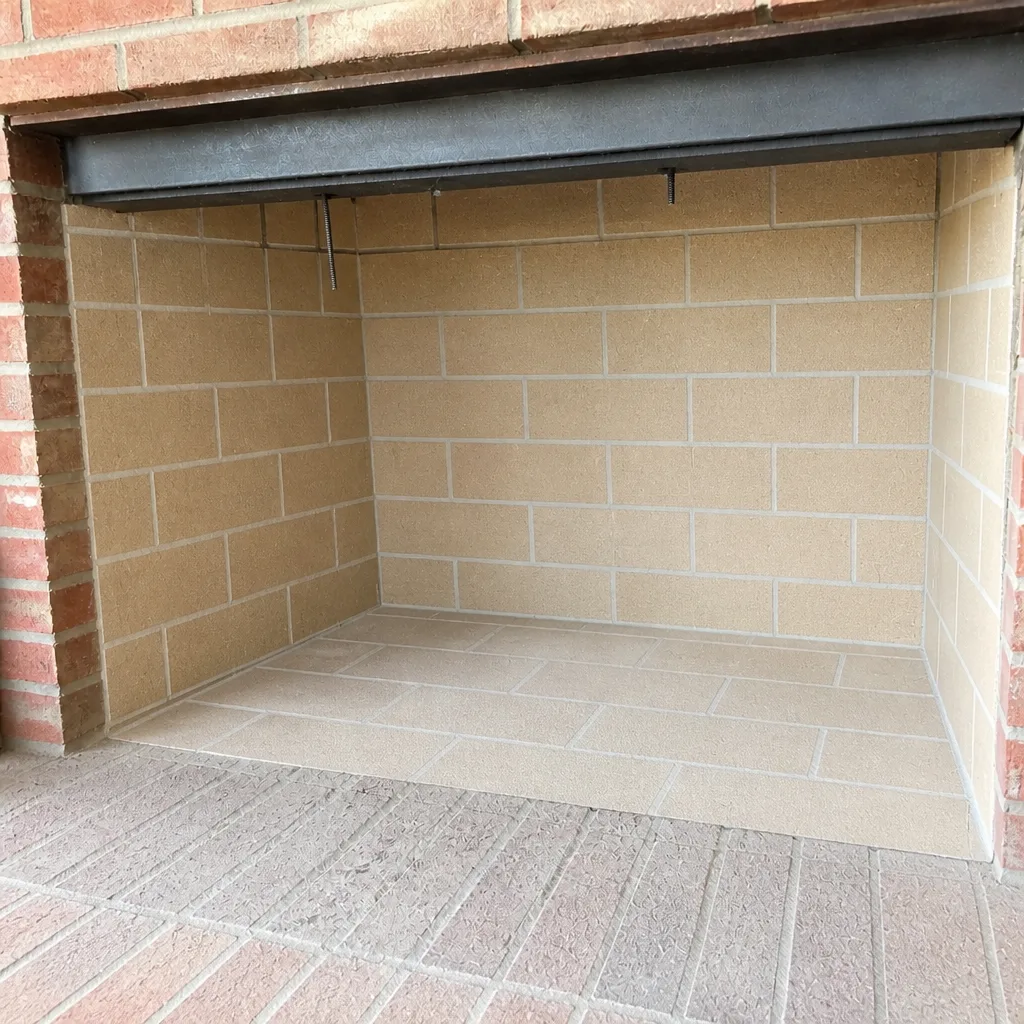
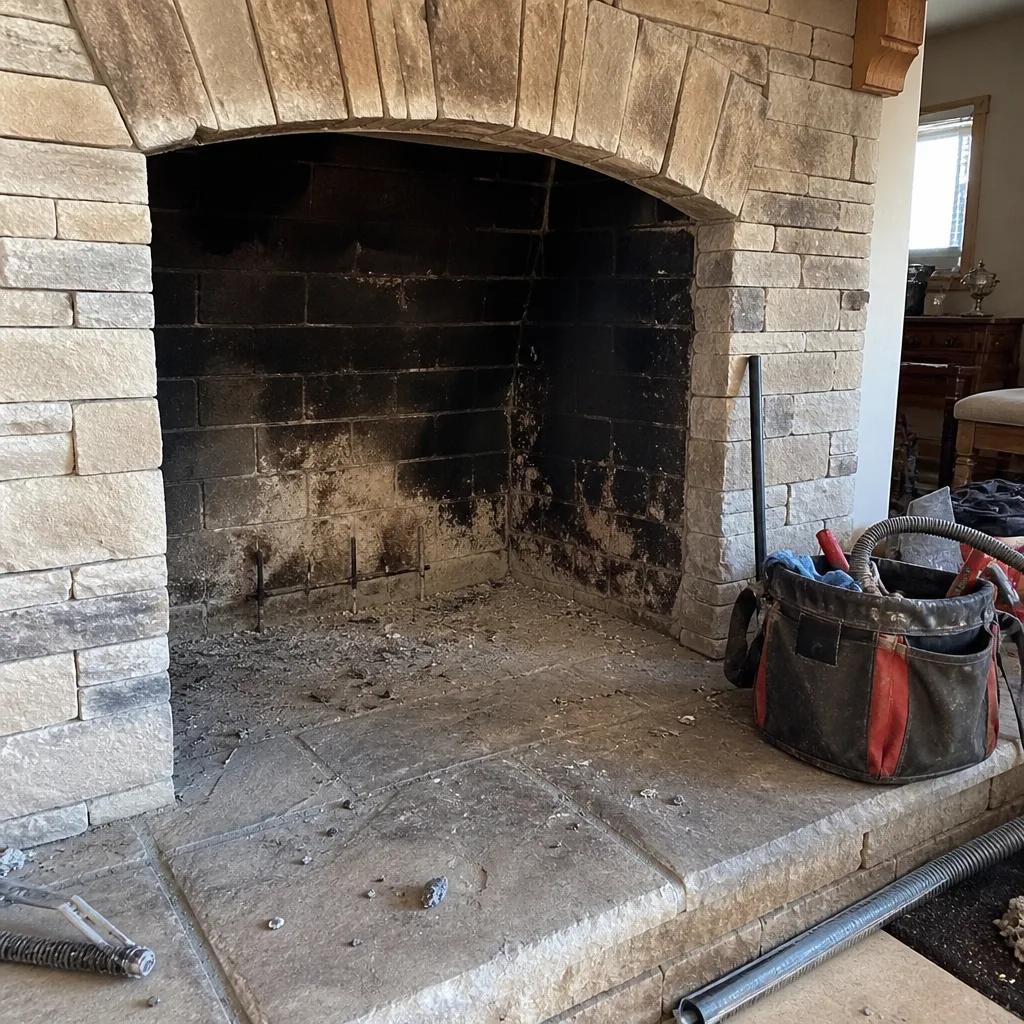
See the difference
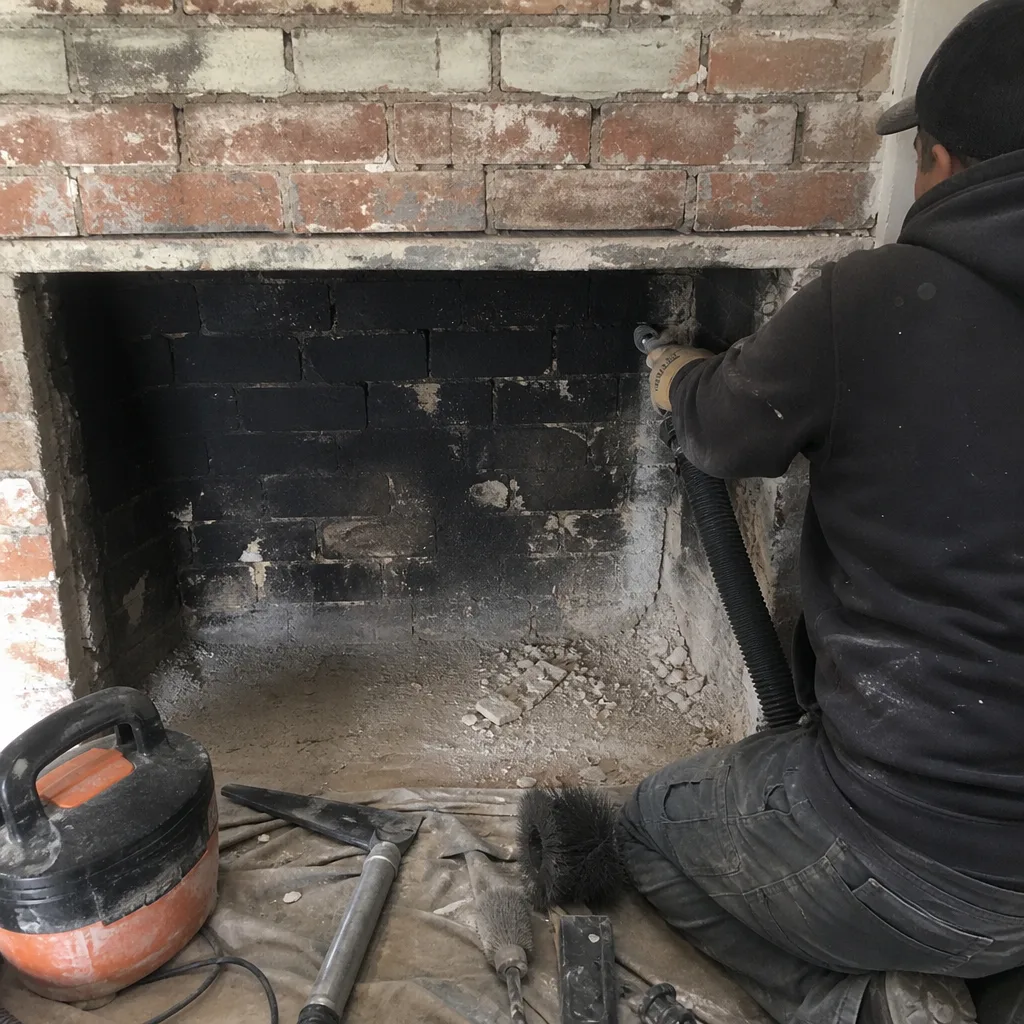 Before
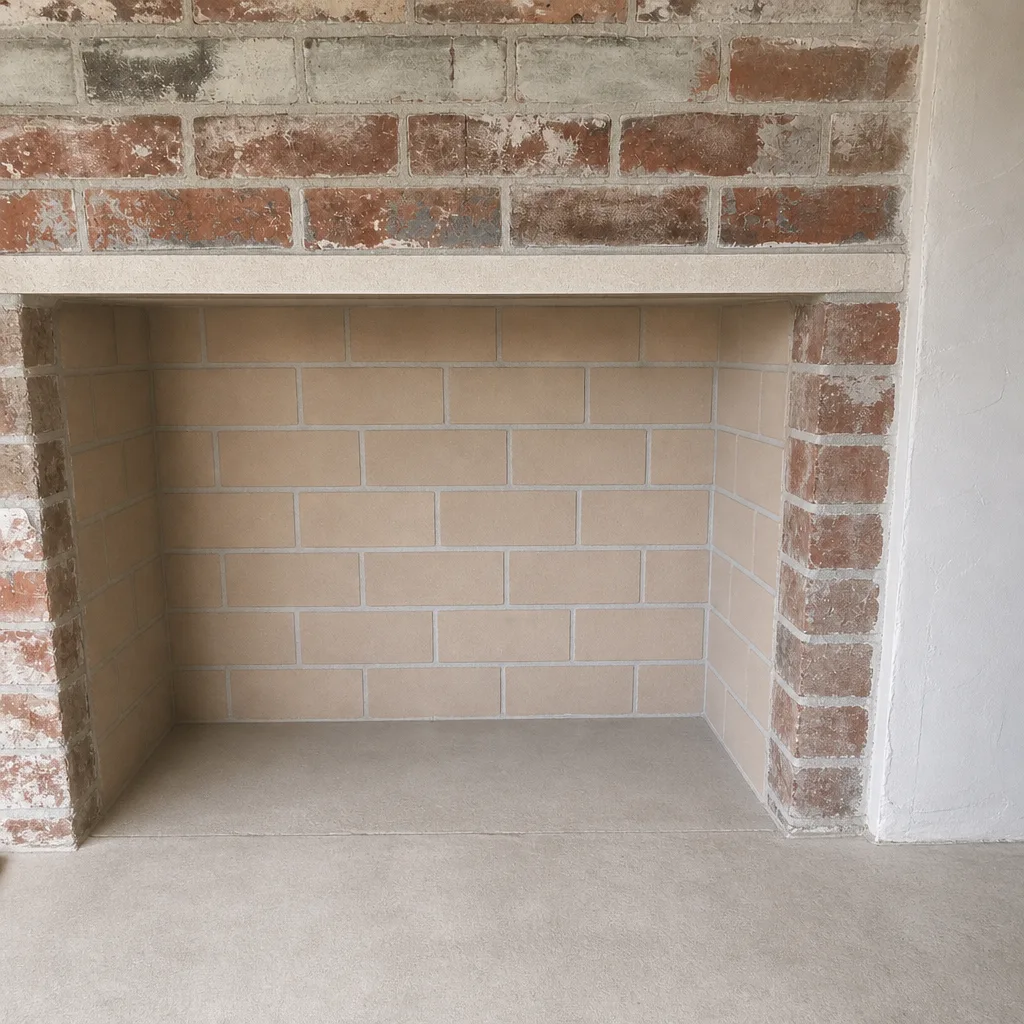 After
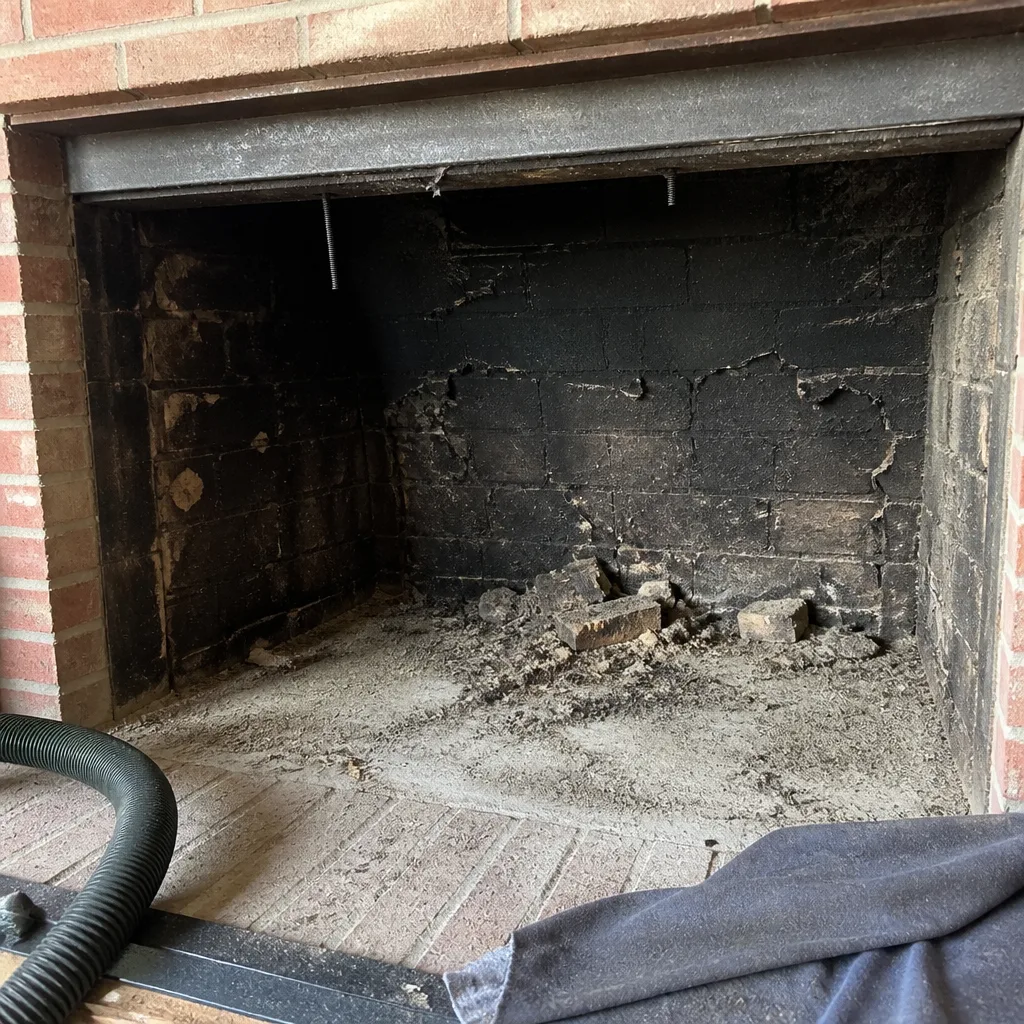 Before
 After
 Before
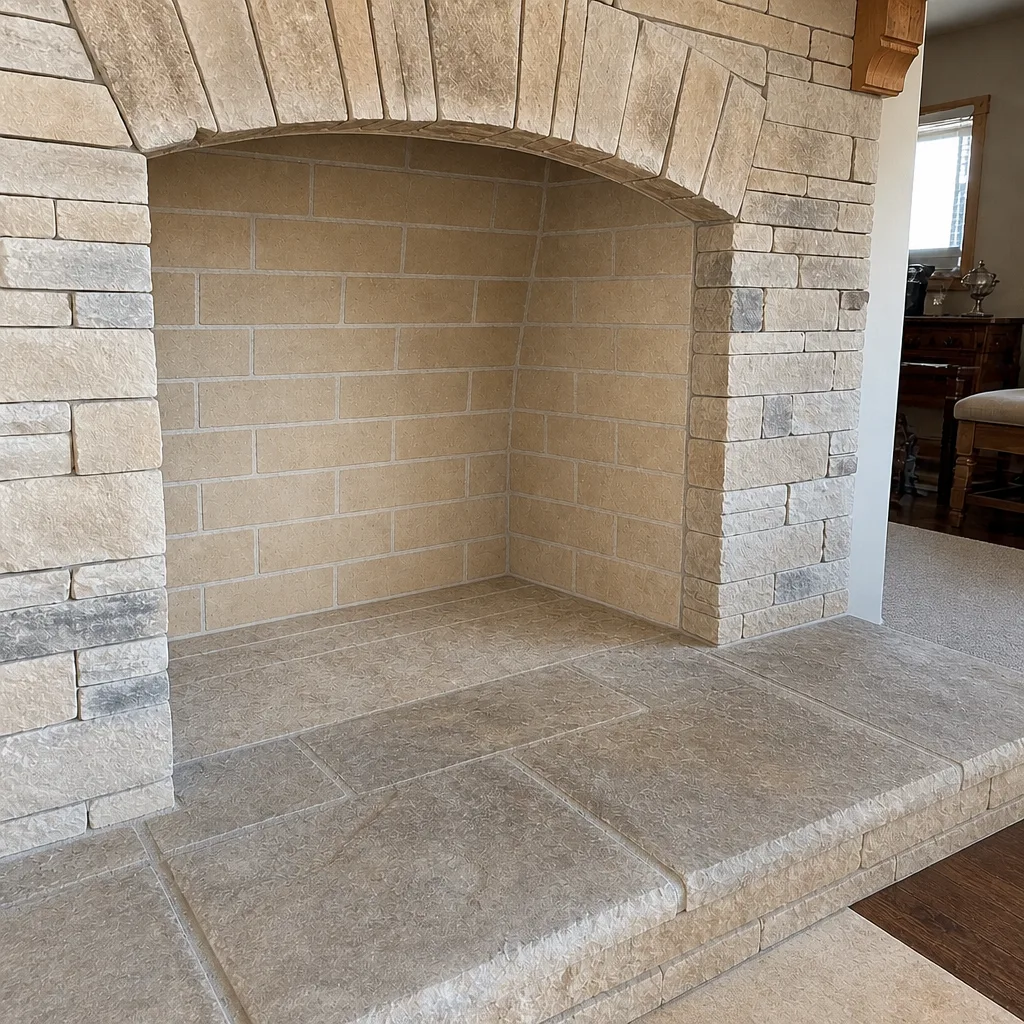 After
When to Call a Professional
Call a technician if you see smoke rolling into the room, smell creosote or soot in a cold room, notice dark streaking on the back wall of the firebox, or find a bird or animal in the flue. Call if the crown has cracks, if brick faces are flaking, or if you’ve never had a camera inspection and don’t know the condition of the liner. Call if a home inspector or your insurer flagged the chimney or the dryer vent. And call before the first fire of the season, so the sweep and the inspection happen while there’s time to act on what’s found.
Chimney Sweep Provo offers free estimates in Provo. We clean, inspect, and repair the chimney and the dryer vent in one visit, and we show you the camera photos before recommending anything. Call (855) 340-2065. We answer 24/7. Fast dispatch from 7am to 7pm, Sunday through Friday.
Frequently Asked Questions
Once a year for most wood-burning fireplaces, plus a spring inspection for freeze-thaw damage. Provo’s climate adds stress to the crown and cap that a single fall sweep won’t catch. If you burn wood regularly through the winter, a mid-season check in January or February is worth it, and gas fireplaces should be inspected annually even though they produce less creosote.
Creosote builds up and can ignite, and a blocked or cracked flue can let smoke and carbon monoxide back into the room. Skipping a sweep also means skipping the inspection, so small crown and liner problems go unnoticed until they’re expensive. In Provo, the freeze-thaw cycle makes the skip worse each spring.
Not unless the camera shows cracks, gaps, or a liner that’s deteriorated beyond repair. Many flues need resurfacing rather than a full reline, and HeatShield handles cracked mortar joints. We show you the photos before making the call, and we’ll tell you plainly when a repair can safely wait.
Creosote is easier to remove before cold air hardens it, and September is ahead of inversion season, so you can test the draft before the valley fills with trapped air. The schedule is also less crowded, which leaves time for a repair before the first fire. Call (855) 340-2065 for an exact quote; estimates are free.
The price is set per job by a written estimate, and the estimate is free. The cost depends on the flue, the amount of creosote, and whether the camera inspection turns up a repair. You’ll get the number in writing before any work begins, and the written estimate sets the final price. Call (855) 340-2065 for an exact quote; estimates are free.
Yes, we clean the dryer vent alongside chimney work because both are ventilation safety jobs. Lint accumulation rises in winter with laundry volume, so pairing the two on the same schedule keeps both exhaust paths clear. It’s one appointment instead of two.
The Bottom Line
Chimney care in Provo is a four-season job, not a fall errand. Spring tells you what winter did to the crown and brick. Summer is when wildlife moves in and a blocked flue overheats the liner. September is the right month to sweep, before creosote hardens and inversion season settles into the valley. Winter is when smoke rollout, cold-room odors, and firebox streaking tell you the flue needs attention now. Add dryer vent cleaning to the same rhythm, and you cover both exhaust paths out of the house. We clean, inspect, and repair in a single visit, and we show you the camera evidence before recommending work. Call (855) 340-2065 to book the next checkpoint on the schedule. We answer 24/7. Fast dispatch from 7am to 7pm, Sunday through Friday.
For a full look at our core services, start with Chimney Sweep Provo.
Written by the team at Chimney Sweep Provo.