
Last updated November 15, 2026
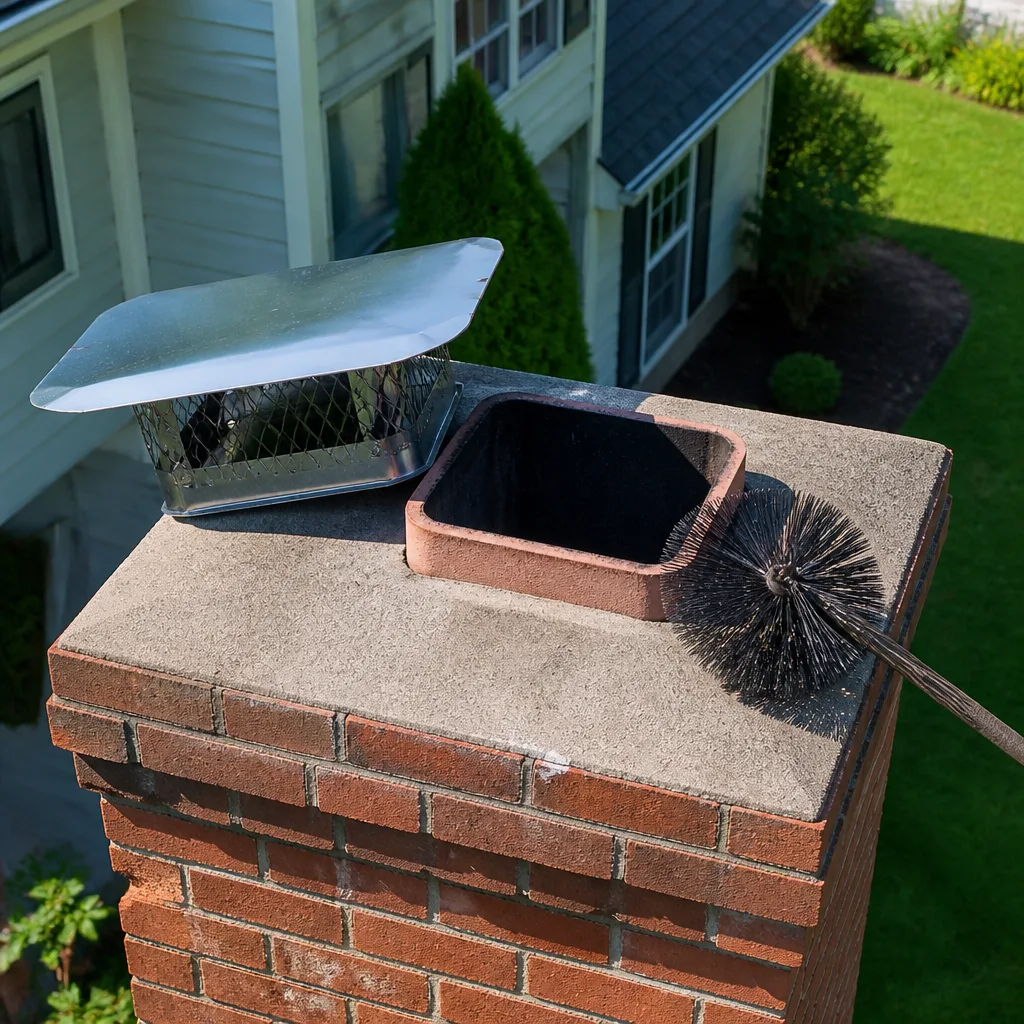 Sweep & inspection
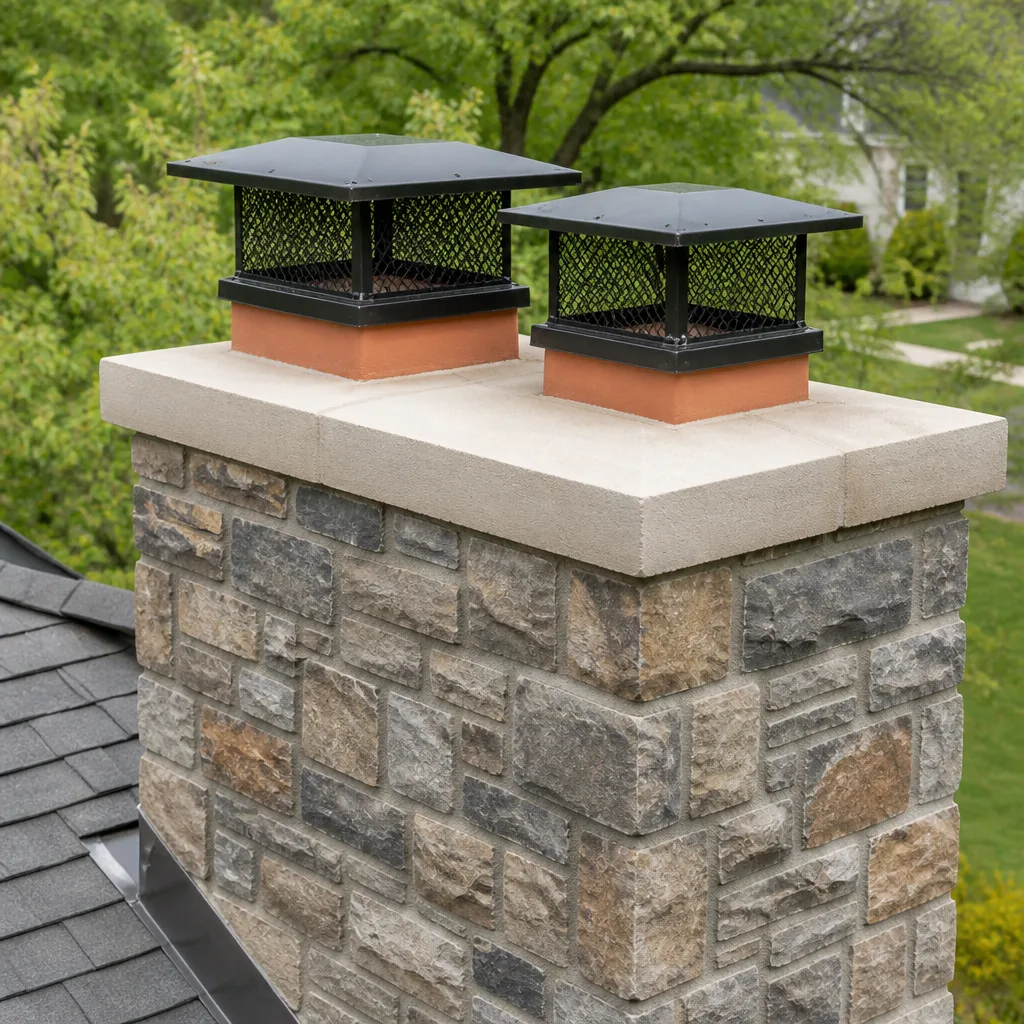 Caps & crowns
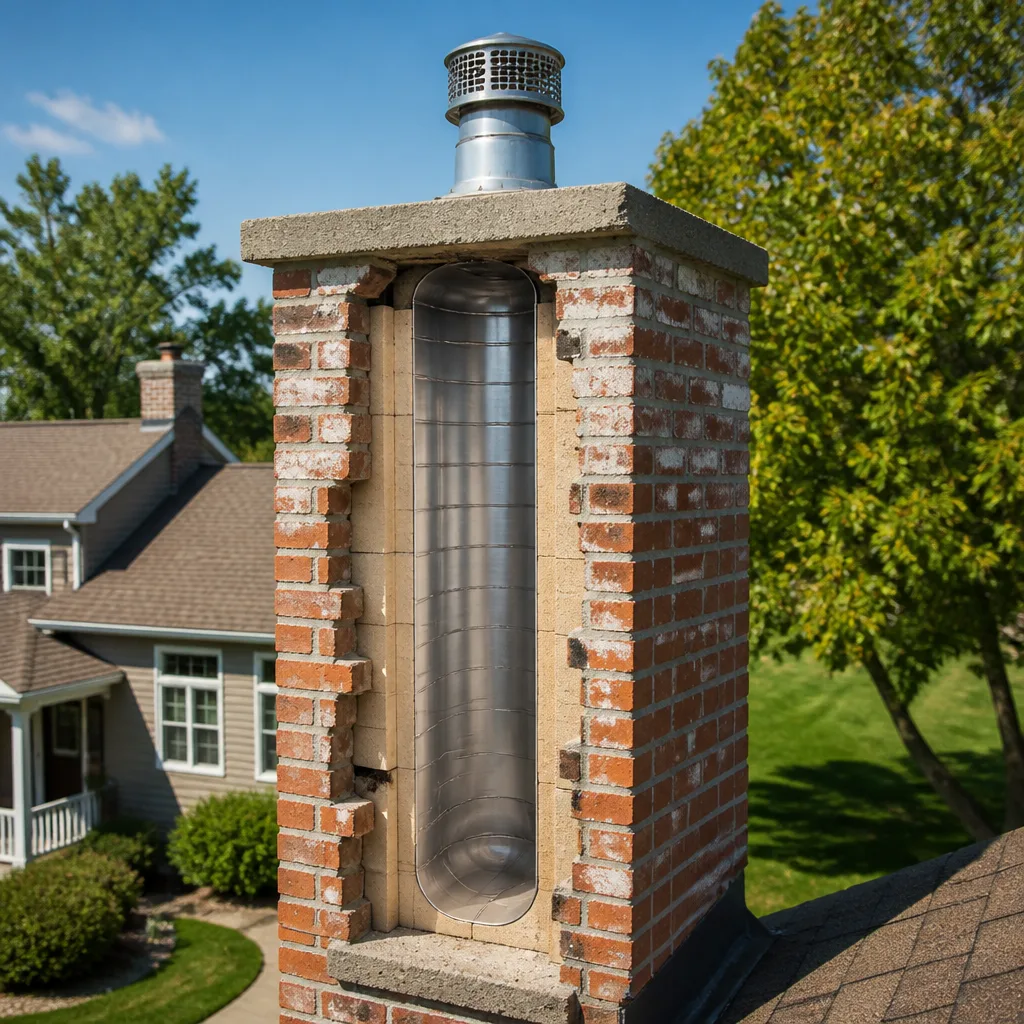 Flue relining
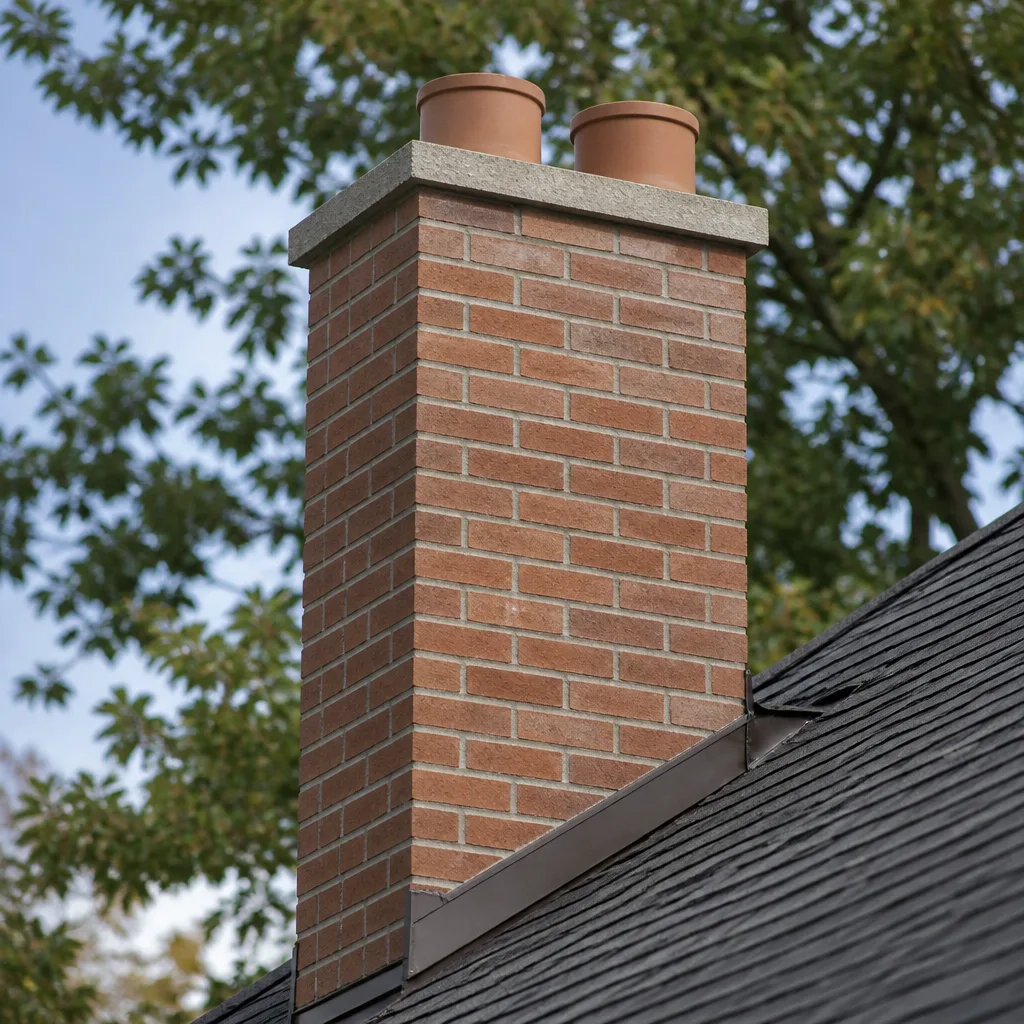 Masonry repair
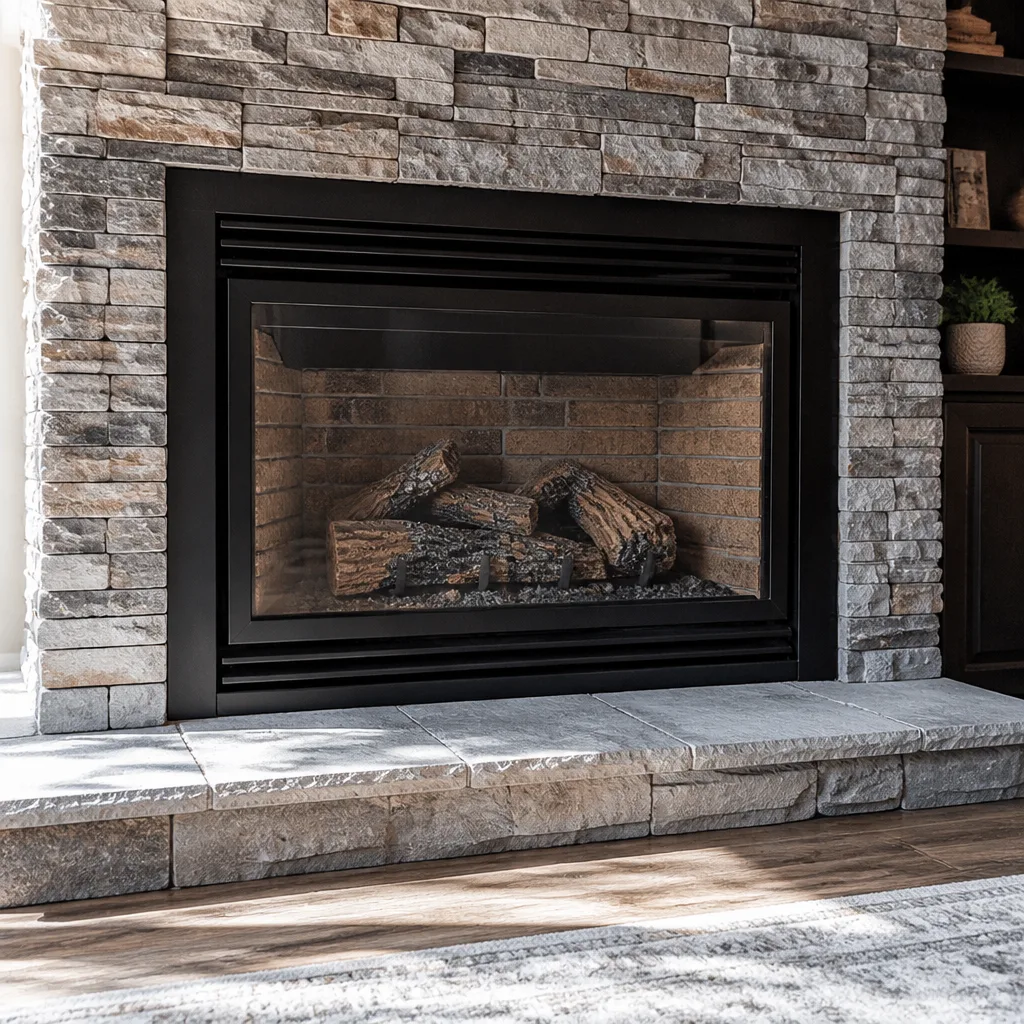 Gas fireplace service
Level 1 sweep and inspection to the NFPA 211 annual standard - flue, crown, cap, and flashing checked and photographed
Chimney sweep logs do not sweep chimneys. They loosen some creosote - which then falls where a brush and vacuum still have to collect it.
DIY vs Professional Chimney Cleaning: The Provo Homeowner’s Decision Guide
Most chimney advice online splits into two useless camps: “never touch your flue” and “a brush and a shop vac are all you need.” Both are wrong, and the gap between them is exactly where Provo homeowners get into trouble. The truth is narrower and more useful than either side admits. There is one specific situation where a careful homeowner with the right tools can maintain a fireplace safely, and there are several ordinary situations where the same homeowner cannot, no matter how handy they are. This guide draws that line for Provo, Utah specifically: what a real DIY sweep requires, which conditions make it unsafe, and why the missing piece in almost every DIY job is not the brushing but the inspection.
Quick Answer
DIY chimney brushing is reasonable only for a fireplace burned lightly – roughly fewer than 10 fires per season – with stage 1 creosote, tight mortar joints, and no odor in the living space. Every other case calls for a professional sweep with a camera inspection, because the repair a camera catches early costs far less than the liner replacement it prevents. In Provo, the deciding factor is almost never the brushing itself; it’s whether anyone is actually looking at the inside of the flue.
Styles & brands we work with
- Sweep & inspection
- Caps & crowns
- Flue relining
- Masonry repair
- Gas fireplace service
Table of Contents
- What a Legitimate DIY Chimney Sweep Actually Requires
- The Three Conditions That Make DIY Inappropriate
- Why No DIY Method Replaces a Camera Liner Inspection
- What the CSIA Actually Says: Maintenance vs Inspection
- What Chimney Odor and Smoke Backdraft Tell You
- How Provo’s Climate and Housing Shape the Decision
- Dryer Vent Cleaning: The More Legitimate DIY Candidate
- Cost Comparison: DIY Tools vs Professional Service
What a Legitimate DIY Chimney Sweep Actually Requires
A legitimate DIY sweep is not a brush on a broom handle. If you’re going to do this yourself, here’s the equipment list that separates a real job from a mess, and roughly what each piece costs at retail:
- A chimney brush sized to the flue, not the fireplace opening. Brush diameter should match the inside of the flue within about an inch. A 13×13 flue needs a 13×13 brush. A round brush stuffed into a square clay tile leaves the corners untouched, which is exactly where creosote glazes first. Cost: $30 to $70.
- Rigid or semi-rigid rod sections. You need enough rods to reach the top of the flue plus a few feet. Most Provo-area homes run between 12 and 25 feet of flue, so five to eight rod sections. Flexible drain rods are wrong for this job; they whip and can crack tile. Cost: $25 to $50 per section, or $150 to $300 for a kit.
- A HEPA vacuum rated for fine particulate. A shop vac with a standard filter will blow soot through the room. This is the single most common DIY failure. You need a vacuum with a true HEPA filter and a collection bag, and it needs to be running at the firebox while you brush. Cost: $300 to $600.
- Drop cloths, a respirator rated for soot, and eye protection. Soot and creosote particulate are not something to breathe in an enclosed room. Cost: $50 to $100 for a decent half-face respirator and canvas drop cloths.
- A ladder, a roof-appropriate harness, and safe access to the top. On Provo homes, roof pitch and winter ice make this the most dangerous part of a sweep. If you’re not comfortable at height on a pitched roof, that alone ends the DIY conversation.
Add it up and a first-year DIY setup runs $500 to $1,100, most of it non-recoverable. The yearly cost after that is close to zero, which is why DIY is worth considering at all. But note what is missing from this list: anything that lets you see the inside of the flue. This is the point where the money works out differently than it looks.
The Three Conditions That Make DIY Inappropriate
Skill level is not the deciding factor. Three specific physical conditions override it entirely. If any one of them is present in your Provo home, this is no longer a DIY decision:
- Stage 2 or stage 3 creosote. Stage 1 is soot and light flaky creosote that brushes off. Stage 2 is dense and crusted. Stage 3 is glazed, hardened onto the flue wall like lacquer. Brushes do not remove stage 3; they can knock it loose in chunks, which is a fire hazard in motion. Stage 2 and 3 require professional removal methods.
- Any visible mortar joint separation. If you can see gaps between the clay tiles, or loose or spalling mortar, the flue has lost its sealed envelope. Brushing a compromised flue sends abrasive dust into those gaps and pushes debris behind the tile. Worse, it gives the false impression that the flue is clean – when the real problem is that heat can now reach combustible framing through those joints.
- Any history of chimney odor in conditioned living space. If your house smells smoky or acrid when the fireplace is off, or your smoke detector triggers when you start a fire, air pressure or flue integrity is off. Nothing you brush can fix that. It needs diagnostic work.
One more condition, softer but important: a chimney that has never been professionally inspected. If you’ve owned a Provo home for a few years and no one has ever run a camera down the flue, DIY sweeping is the wrong first move. Get an inspection before you buy a brush. You cannot know which of the three conditions above applies until someone has looked.
Why No DIY Method Replaces a Camera Liner Inspection
The brush cleans. The camera finds the crack. That one-sentence distinction is the whole reason the DIY savings disappear over time. There is no retail product and no homeowner technique that lets you reliably see the entire flue liner from the firebox to the crown. Reflectors, mirrors, and phone light from the bottom all miss the upper flue, the offset section, and the back face of the tiles.
Our technicians have up to 15 years of experience, and the pattern we see on Provo calls is consistent. Tile liners develop hairline cracks at the mortar joints first, usually from thermal cycling – the freeze-and-thaw of Provo winters plus the internal heat-and-cool of fire seasons. From the bottom, the crack is invisible. From a camera, it’s obvious. Left alone, it widens. Heat escapes behind the tile. Combustion gases, smoke, and eventually flame find their way past the liner, and the fix changes from ceramic joint resurfacing to a full stainless-steel reline.
That’s the case for the inspection being the actual service, and brushing just being what happens alongside it. When we run a liner inspection during a routine chimney sweep, you get photos of what the camera saw. We use the HeatShield ceramic resurfacing system for cracked or deteriorating mortar joints, and DuraFlex stainless-steel liner systems when the flue needs a full reline. Both are recognized repair methods used by chimney professionals; neither is a homeowner project. The reason to include an inspection in your annual routine is not because brushes are bad. It’s because brushes cannot see.
What the Inspection Actually Looks At
- The full length of the flue, via camera, top and bottom
- Condition of mortar joints and clay tiles
- Creosote stage and distribution
- The smoke chamber and damper
- The firebox lining
- The crown, cap, and exterior termination
When the cap on top of your flue is loose, missing, or rusted through, water and snow get in. If we find that, we can fit a Gelco or Famco cap during the same visit. If the concrete crown is cracked, that gets repaired too. This is the “clean, inspect, and repair in a single visit” model, and it’s the specific reason a Provo homeowner spends fewer calls overall.
What the CSIA Actually Says: Maintenance vs Inspection
The Chimney Safety Institute of America (CSIA) draws a line most homeowners have never seen. Maintenance – what a homeowner does – is routine cleaning of soot and stage 1 creosote. Inspection is a distinct professional service with a defined scope, done by a trained technician who evaluates the entire chimney system against a specific checklist. The CSIA recommends an annual inspection and cleaning as needed, not an annual cleaning alone. Those are two different statements and the second one is the one that matters.
That distinction is your framework. You, the homeowner, can handle some maintenance. You cannot perform the inspection. The CSIA’s own standard treats the inspection as the entry point for the annual service and the cleaning as a consequence of what the inspection finds. So the useful question isn’t “can I sweep my own chimney?” It’s “can I inspect my own chimney?” No – not with a brush and a light, and not at all without a camera.
What This Means for a Provo Homeowner
If you want to think of it in decision-tree form:
- Has the chimney been inspected by a professional in the last 12 months?
- If yes – and the report said stage 1 creosote, tight joints, no issues – then light DIY brushing between professional inspections is reasonable.
- If no – schedule an inspection first. That decision is not DIY-able, and it’s the one that protects you.
- If the report found anything beyond stage 1 creosote or a compromised liner, DIY is off the table until it’s repaired.
This is not us trying to protect a business category. It’s the specific standard the industry itself publishes, and it happens to protect your house.
What Chimney Odor and Smoke Backdraft Tell You
Smoke smell in a room with no fire is a chimney system telling you it is not working. That is the most useful red flag a Provo homeowner has, and it is invisible to a brush. When your house smells like a campfire in July, air is moving backward through the flue. That happens for a few reasons, and none of them are about soot buildup on the flue walls.
- Negative pressure in the house. Oversized exhaust, tight construction, or a range hood pulling more air than the house takes in can reverse the flue. Fixing it is a pressure-balance issue, not a cleaning issue.
- Flue obstruction. A bird nest, a dislodged tile, or a collapsed crown cap can block the flue. You cannot brush a nest out safely without knowing what it is first.
- Cracked liner. Smoke travels through the crack into the space between the flue and the framing, then into the room through any air pathway. That’s a liner repair, and it does not get better on its own.
- Damaged or missing rain cap. Water intrusion degrades the flue and can leave creosote moist and odorous. A properly fitted cap fixes this.
This is where the difference between a sweep-only service and a repair-capable one matters. We don’t just flag problems – we fix them. If the camera shows a cracked joint, we resurface it with HeatShield. If it shows a cracked liner or a flue that has lost structural integrity, we reline with DuraFlex. If the top of the flue needs a cap or the crown needs sealing, we fit Gelco or Famco parts. You don’t need to coordinate a second contractor after the inspection report comes back. That matters most in exactly the case that makes a homeowner call in the first place: odor, smoke, or a warning from a home inspection.
How Provo’s Climate and Housing Shape the Decision
Provo is a dry, high-desert valley at the base of the Wasatch. Summer humidity sits low, winters are cold and often snowy, and the freeze-thaw cycle between November and March is a real mechanical stressor on chimney crowns, mortar, and caps. That shapes which repair jobs come up most often and what kind of maintenance the flue actually needs.
Two practical implications for the DIY decision:
- Dry climate does not mean dry flue. Summer rain, spring snowmelt, and the freeze-thaw cycle crack mortar joints and loosen caps. A flue that looks fine from the firebox in August may have a joint gap that a camera catches in October. This is why the annual camera inspection matters more here than in a mild-climate region.
- Housing age and stock vary a lot across Provo. From older brick homes near the downtown grid to newer construction on the east bench, chimney construction ranges from original clay-tile masonry to modern factory-built metal flues. Each has different failure modes. A homeowner in one type of home may get more years out of DIY than a homeowner in another, and only an inspection tells you which one you are.
Farther south, homes in the neighboring valley share most of these characteristics – a similar freeze-thaw pattern, similar housing variety, similar need for annual inspection. You can read more about how the same decision plays out there on our Provo service page, which covers the sweep-inspection-repair routine in detail.
What to Check Seasonally in Provo
- Before the first fire in fall: a professional inspection with a camera, plus a sweep if the report warrants it. This is the single most valuable maintenance task on the whole list.
- After spring snowmelt: look at the crown and cap from the ground. Cracks, loose cap, or rust on the mesh are a call.
- After any Provo windstorm or heavy snow: check the cap and crown for damage. Wind can lift or dislodge a loose cap.
- Mid-season: check the firebox for crumbling mortar and the damper for smooth operation. Stop using the fireplace and call if either shows a problem.
Dryer Vent Cleaning: The More Legitimate DIY Candidate
Here’s the honest split: dryer vent cleaning is a much more legitimate DIY project than chimney sweeping, for a straight-run duct under 10 feet. If your dryer connects to a straight, short duct that vents directly through a nearby exterior wall, a standard dryer-vent brush kit with flexible rods handles it well. Cost: $25 to $60. That’s a reasonable homeowner job.
The moment the run is not straight or short, the equation flips. Every elbow adds friction and a place for lint to pack. Long runs put the vent in the same category as the chimney: a system you cannot see well enough to know it’s clear. And NFPA data identifies dryer vents as one of the leading causes of residential structure fires, so this is not a category where “probably fine” is good enough.
When to Bring a Professional In
- More than one elbow between the dryer and the exterior termination
- Any duct run over 10 feet, or any run you cannot see end to end
- Flexible foil or vinyl duct, which traps lint differently than rigid metal
- A dryer that takes two cycles to dry a load, or feels hot to the touch
- Visible lint buildup at the exterior termination, which usually means more inside
This is the second service line, and it’s the one most homeowners neglect the longest. Our dryer vent cleaning addresses the same safety category as the chimney: ventilation that has to stay clear, and a system that gets inspected while it’s being cleaned. Your flue, your dryer vent, your peace of mind – two different appliances, one shared fire-risk reduction.
Cost Comparison: DIY Tools vs Professional Service
Here’s the cost picture, laid out plainly. Professional prices here are typical estimates for the Provo market; the written estimate sets the final price.
| Option | Typical Cost | What You Get |
|---|---|---|
| Full DIY equipment package (brush, rods, HEPA vac, PPE) | $500 – $1,100 | Brushing only. No inspection, no report, no repair capability. |
| Professional chimney sweep (Provo) | $150 – $300 | Full sweep, camera liner inspection, photo report, and a written scope for any repair. |
| Professional sweep plus inspection after a 3-year gap of DIY sweeps | $150 – $300 | The camera finds problems the DIY brushing could not see. Repair estimates discussed after inspection. |
| HeatShield ceramic joint resurfacing (if joints are cracked) | Per written estimate | A repair method that prevents the liner replacement from becoming necessary. |
| Full flue reline with DuraFlex stainless-steel system | Per written estimate | Needed if the liner has failed. This is the repair you’re trying to avoid with an annual inspection. |
| DIY dryer vent brush kit (straight run under 10 feet) | $25 – $60 | Reasonably effective for a short, straight duct. |
| Professional dryer vent cleaning | $120 – $225 | Camera inspection, full brush through every elbow, exterior termination check. |
The math is not “professional is cheaper.” It’s that DIY puts money in the tools and professional puts the same money in the inspection. A Provo homeowner who brushes their own flue for five years without a camera inspection has saved the sweeps and spent none of the money on the one thing that actually protects the house. That gap is the whole argument.
Common Mistakes to Avoid
- Buying the wrong brush size. A brush that is too small leaves glazed corners untouched, and one that is too large cracks tile on the way through. Match the flue, not the firebox opening.
- Using a standard shop vac. Standard shop vac filters release fine soot into the room. You need a HEPA-rated vacuum running at the firebox while you brush, or the soot ends up in your Provo home’s living space.
- Brushing blind and calling it inspection. The brush goes down and back. The camera looks at the walls. Those are not the same operation, and only one of them finds cracked joints.
- Ignoring a creosote smell in the house. Odor in conditioned living space is a diagnostic flag, not a nuisance. It usually means air pressure or flue integrity is off.
- Hitting a stage 3 glaze with a brush. Glazed creosote does not brush off, and forcing it can dislodge chunks that become a fire risk. That’s a job for professional removal methods.
- Going on the roof in Provo winter without a harness. This is the most common injury vector in DIY chimney maintenance. The sweep is not worth a fall.
- Cleaning the chimney but forgetting the dryer vent. The dryer vent is the other fire-risk system in the house, and most homeowners haven’t touched it in years.
See the difference
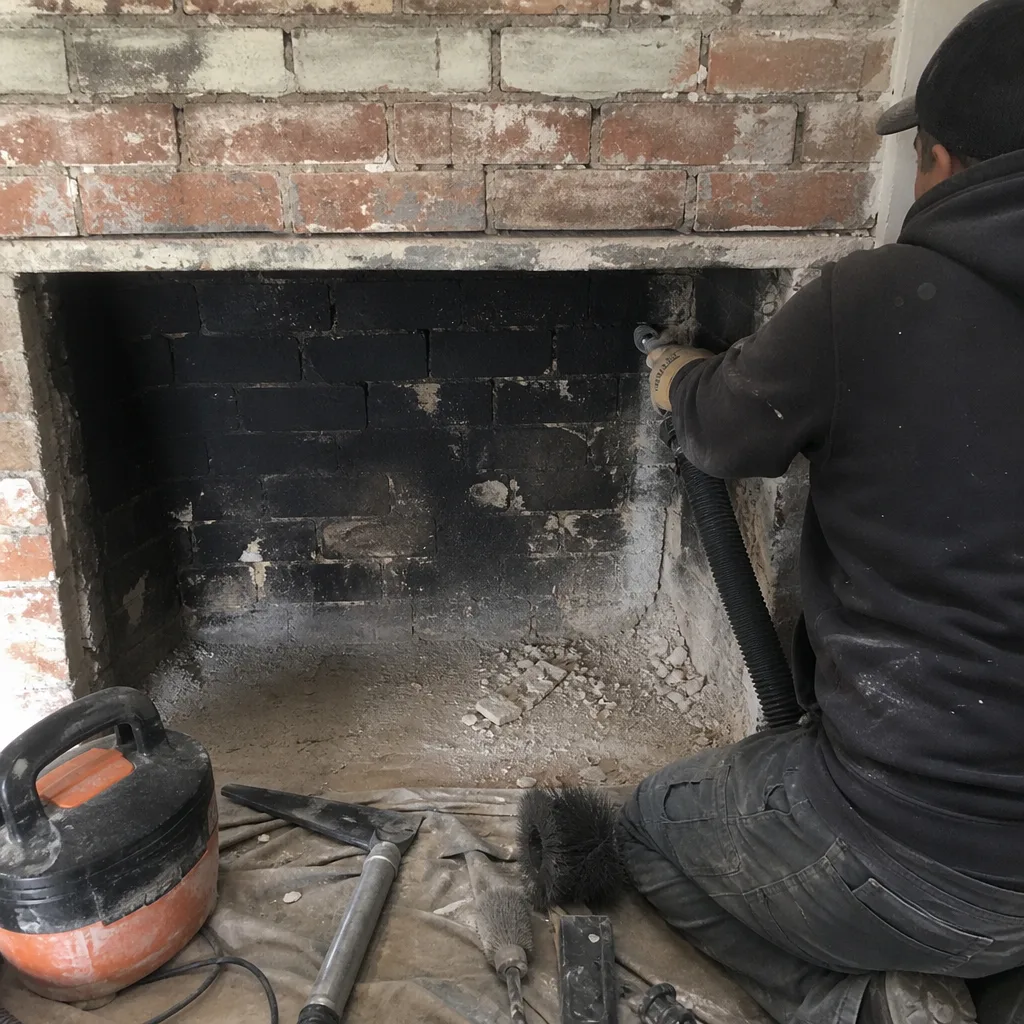 Before
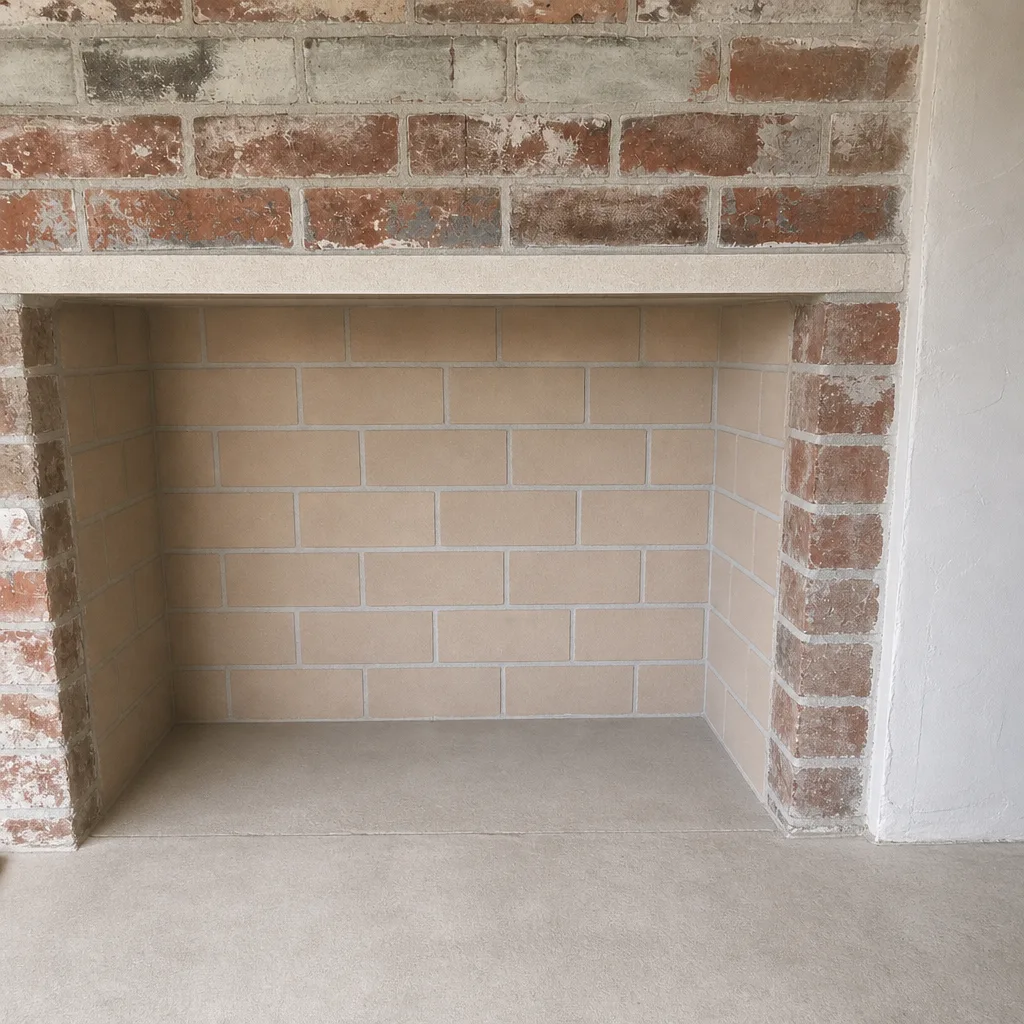 After
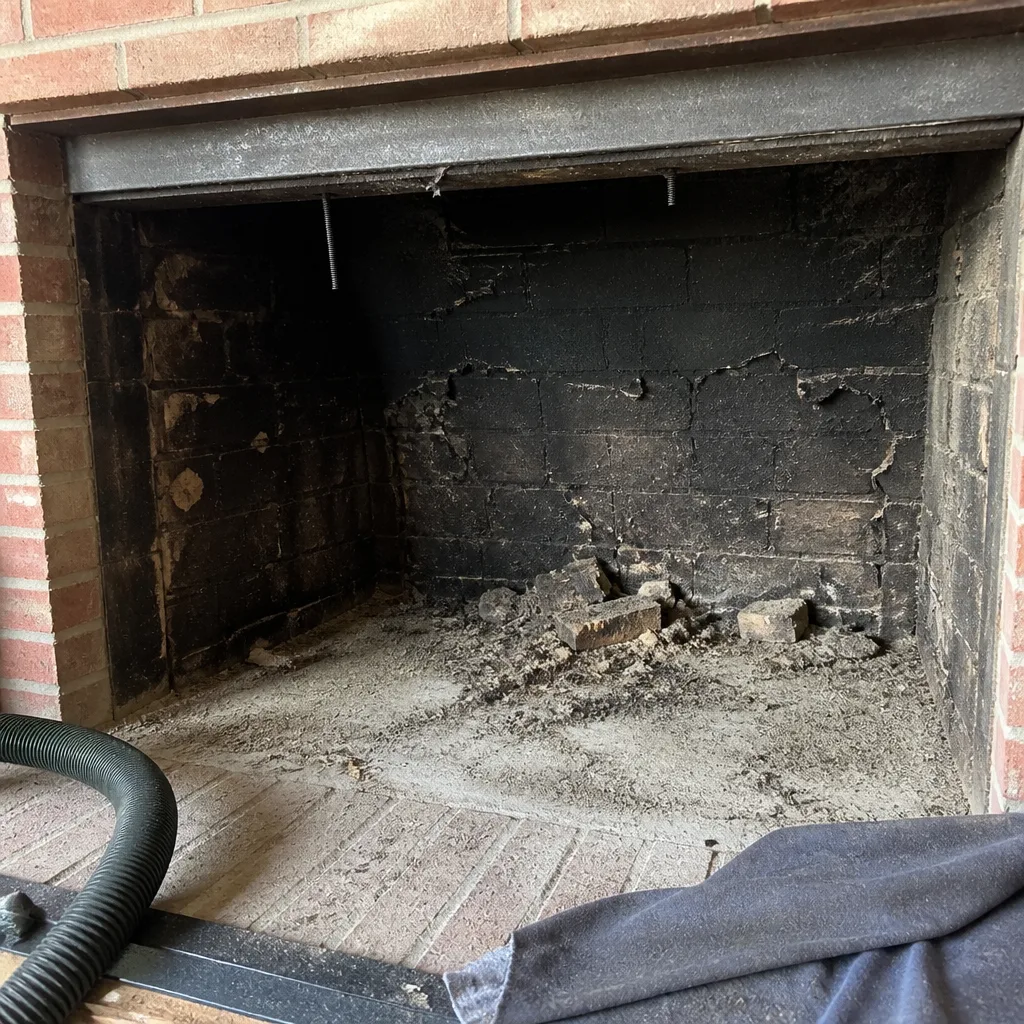 Before
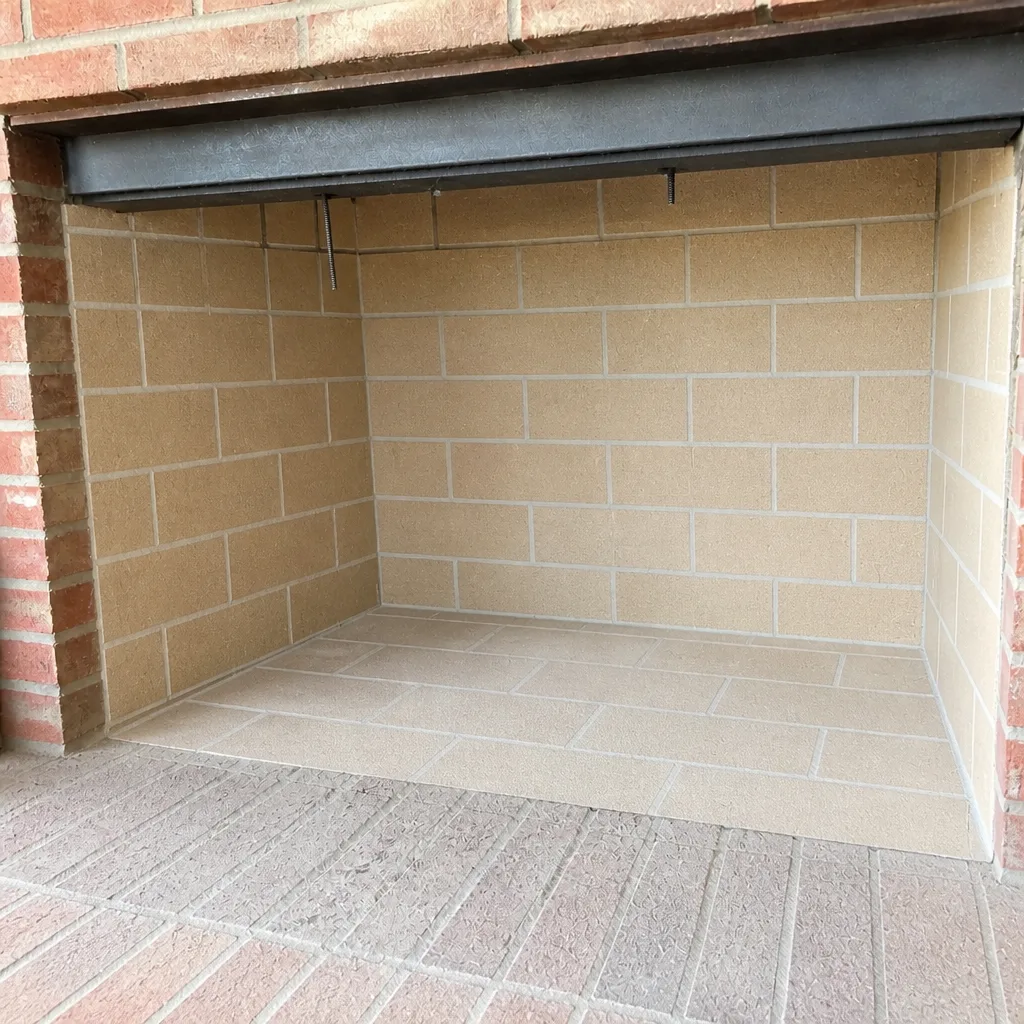 After
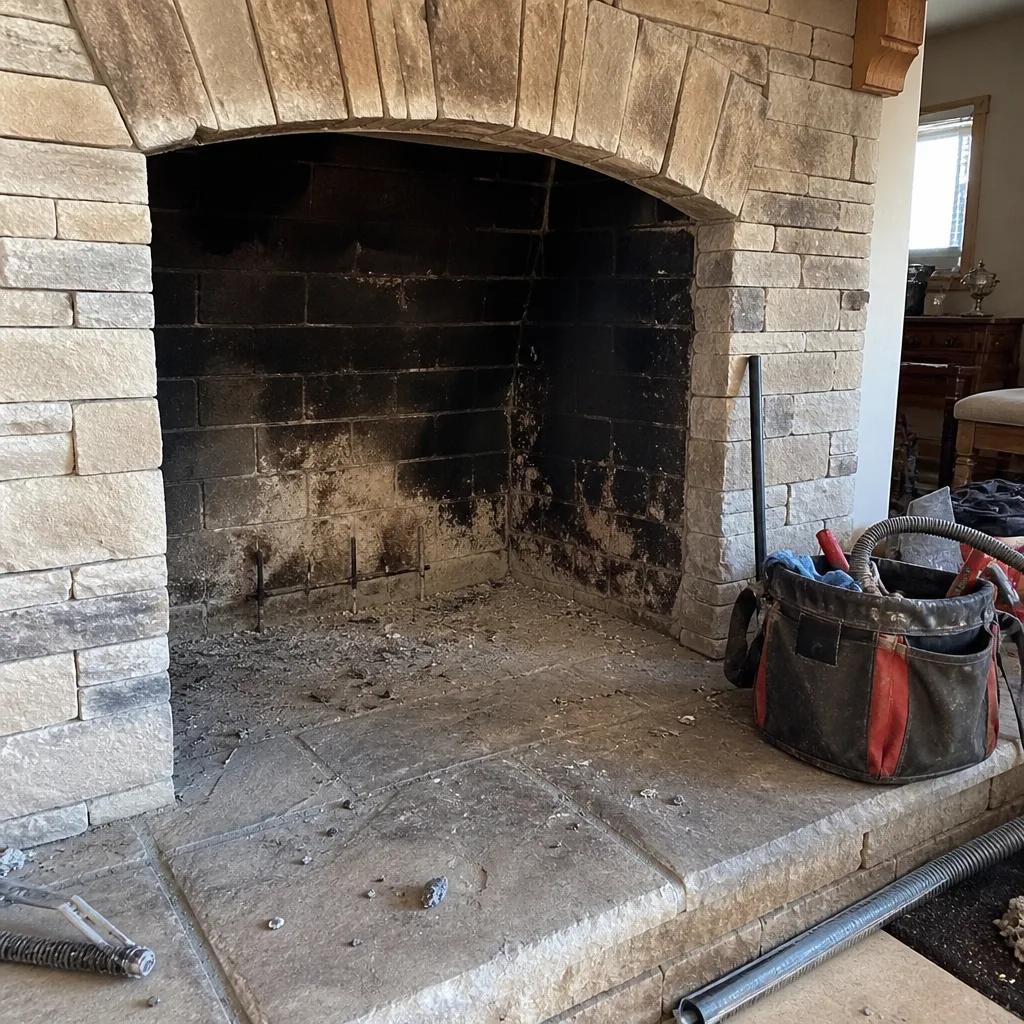 Before
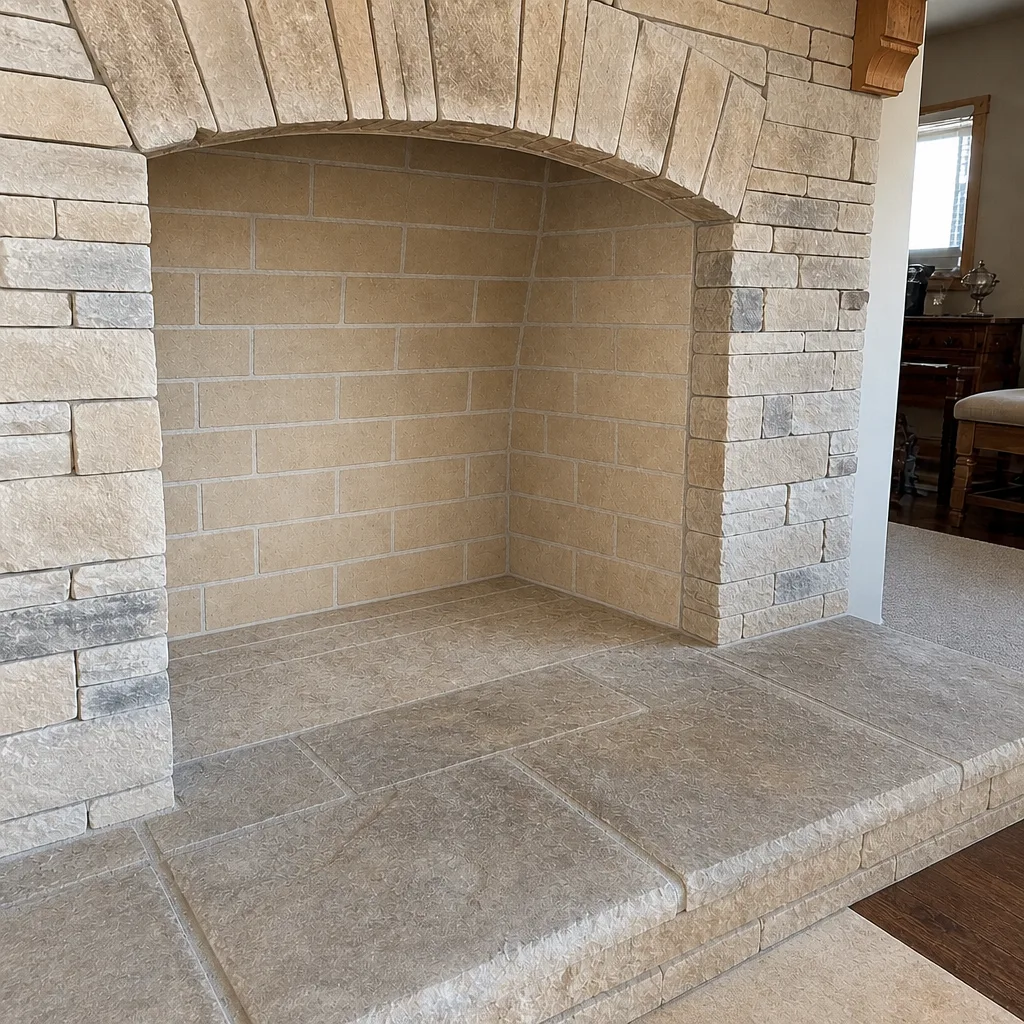 After
When to Call a Professional
Call a professional in any of these situations: stage 2 or 3 creosote, any mortar joint separation, any odor or smoke backdraft in the living space, a chimney that has not been inspected in over a year, a home inspection that flagged the chimney, an insurer that asked for documented service, or any DIY sweep on a roof you would not want to be on in the snow. Also call if the cap, crown, or damper has visible damage. Chimney Sweep Provo handles sweeps, liner inspection, and repair under one roof. Our technicians are authorized to work with DuraFlex stainless-steel liner systems and the HeatShield ceramic resurfacing system, and we source components through Olympia Chimney and Copperfield. We don’t just flag problems – we fix them. If you want to see the report before deciding anything, that’s exactly how it should work. Free estimates in Provo – call (855) 340-2065. We answer 24/7. Fast dispatch from 7am to 7pm, Sunday through Friday.
Frequently Asked Questions
You can safely brush your own chimney in Provo if the flue has stage 1 creosote only, tight mortar joints, no odor in the living space, and a recent professional inspection on file. In every other situation, DIY brushing is the wrong tool – the risk isn’t from the brush, it’s from what the brush can’t see. Call (855) 340-2065 for an exact quote if you want an inspection first; estimates are free.
A professional chimney sweep in Provo typically costs $150 to $300, including a camera liner inspection and a photo report. The written estimate sets the final price, and repair costs are quoted separately only if the inspection finds something. For an exact quote, call (855) 340-2065 – estimates are free.
Yes. A camera liner inspection is the only way to see the inside of the flue above the firebox, and it’s the specific step that catches a hairline crack before it becomes a full liner failure. Without it, a sweep is only addressing soot. Call (855) 340-2065 to book an inspection; estimates are free.
Hairline cracks and mortar joint gaps widen undetected, and the repair scope grows from joint resurfacing to a full reline. The camera-inspection step is what keeps the smaller repair in reach. Call (855) 340-2065 to find out what the camera sees before the next fire season; estimates are free.
You can safely clean your own dryer vent in Provo if the duct is a straight run under 10 feet with a single elbow. Anything longer, with more than one elbow, or with flexible foil ducting needs professional equipment and a camera inspection. Call (855) 340-2065 to book a dryer vent cleaning; estimates are free.
Brushing removes soot and stage 1 creosote from the flue walls; inspection evaluates the entire system for cracks, joint separation, cap damage, and creosote stage – typically via a camera. They are separate services, not interchangeable. Call (855) 340-2065 to book both together; estimates are free.
The Bottom Line
The DIY decision is not a skill question – it’s a visibility question. If you have a recent professional inspection on file showing stage 1 creosote and tight joints, spare brushing between inspections is reasonable, and a HEPA vacuum plus the right brush and rods is a fair investment. If you don’t have that inspection, you can’t know which conditions apply, and brushing becomes a guess. The money that would have gone into tools mostly covers the annual Provo sweep anyway, and the sweep includes the camera report. That’s the specific reason to start with the inspection. Book the Chimney Sweep Provo service as the first step in your routine, not the last, and call (855) 340-2065 for a free estimate. We answer 24/7. Fast dispatch from 7am to 7pm, Sunday through Friday. Closed Saturday.
Written by the team at Chimney Sweep Provo.