
Last updated November 15, 2026
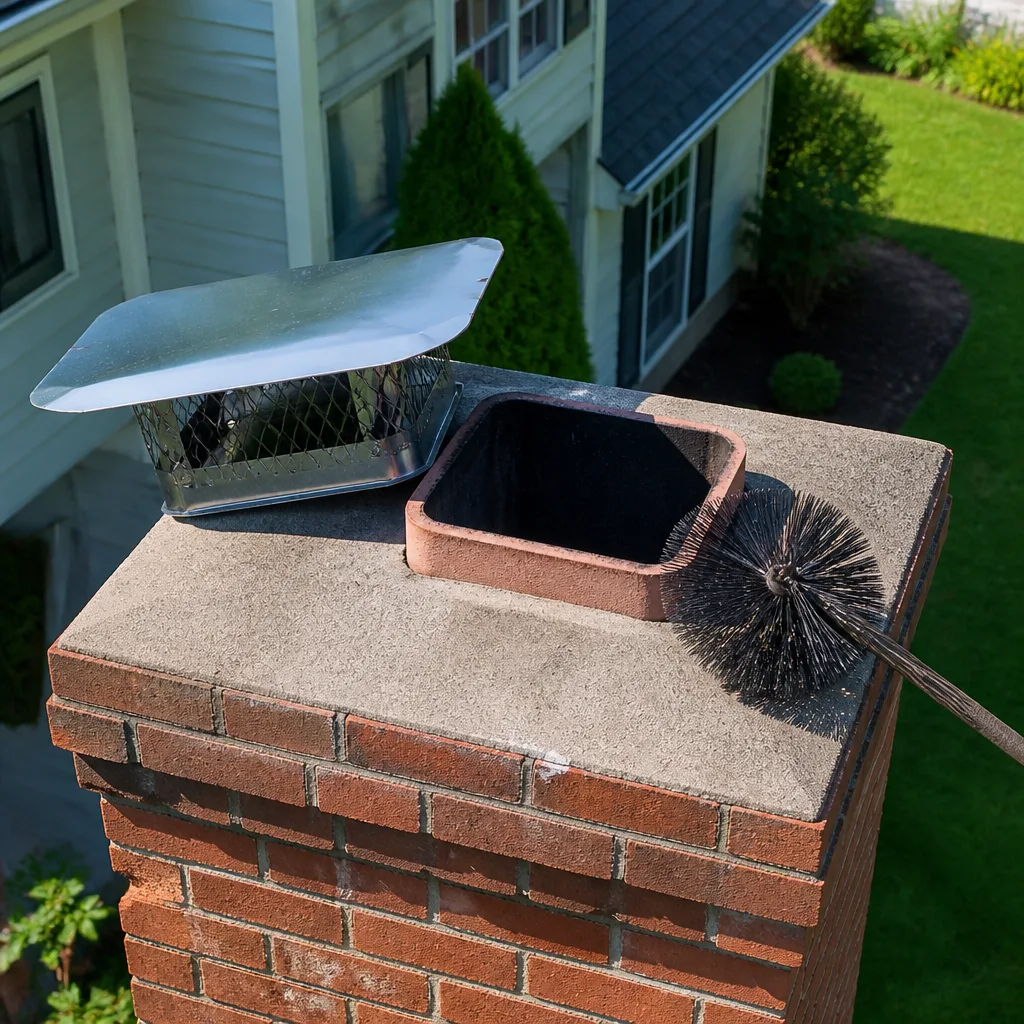 Sweep & inspection
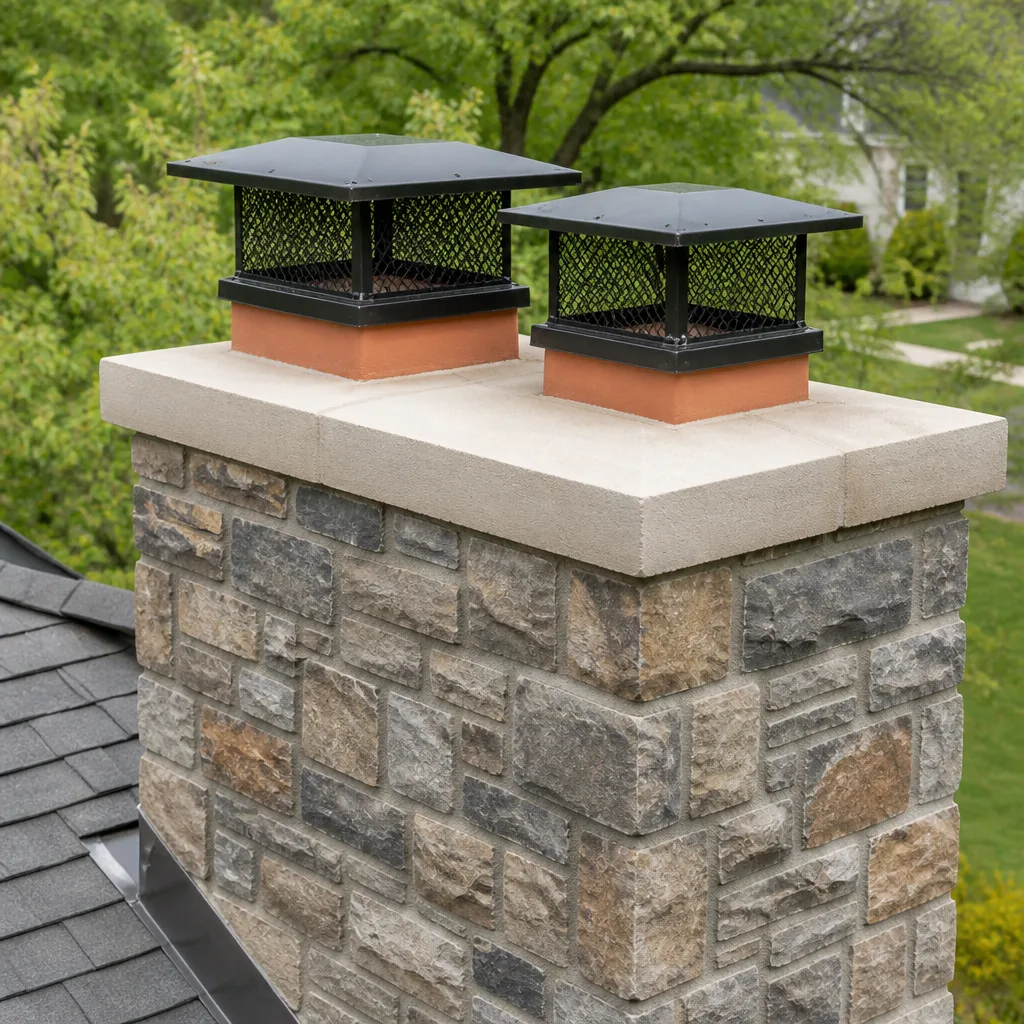 Caps & crowns
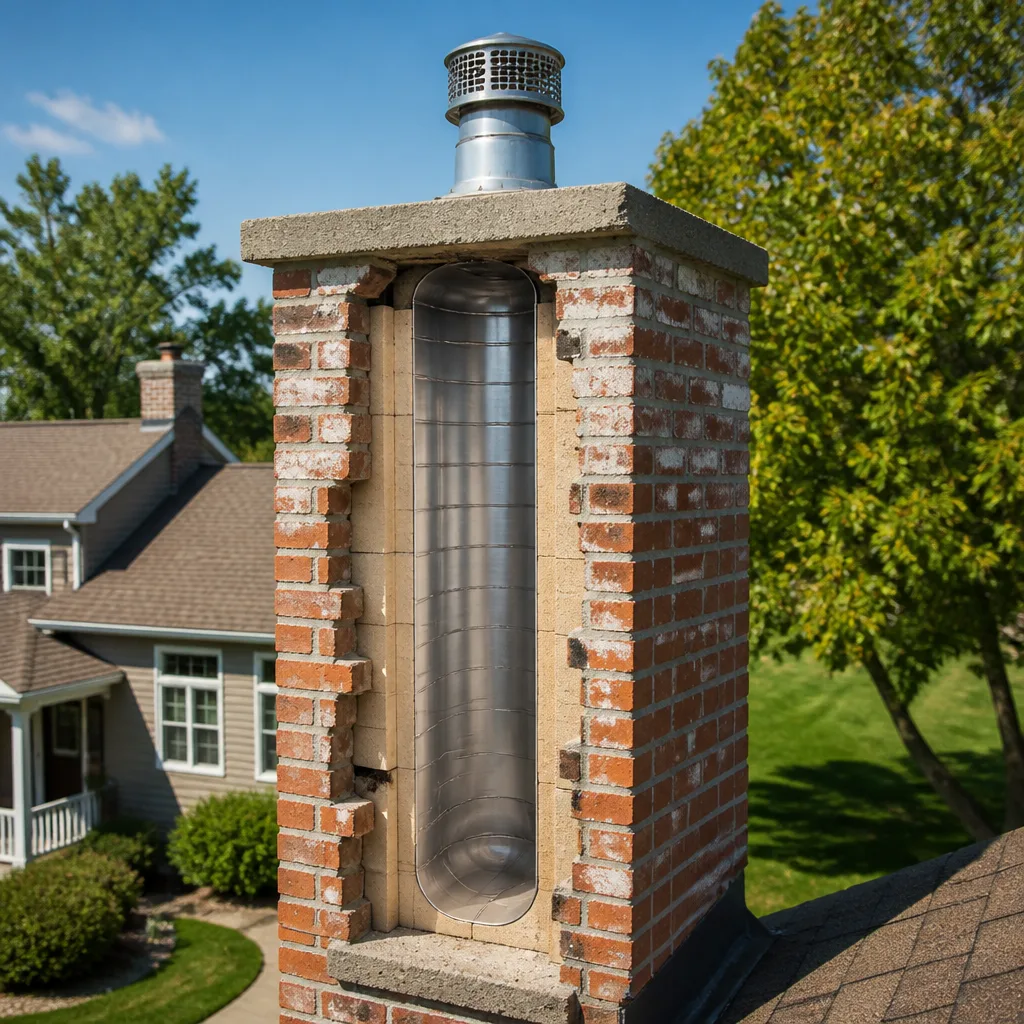 Flue relining
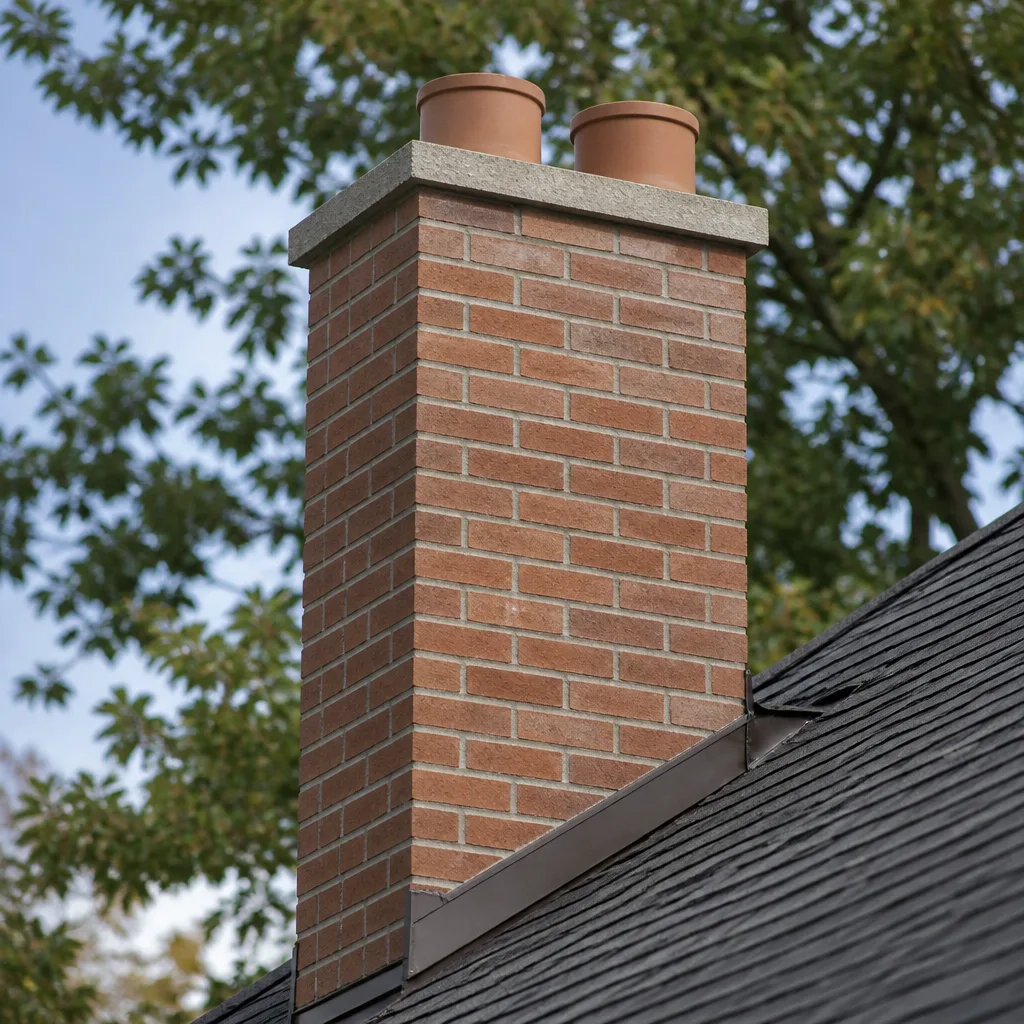 Masonry repair
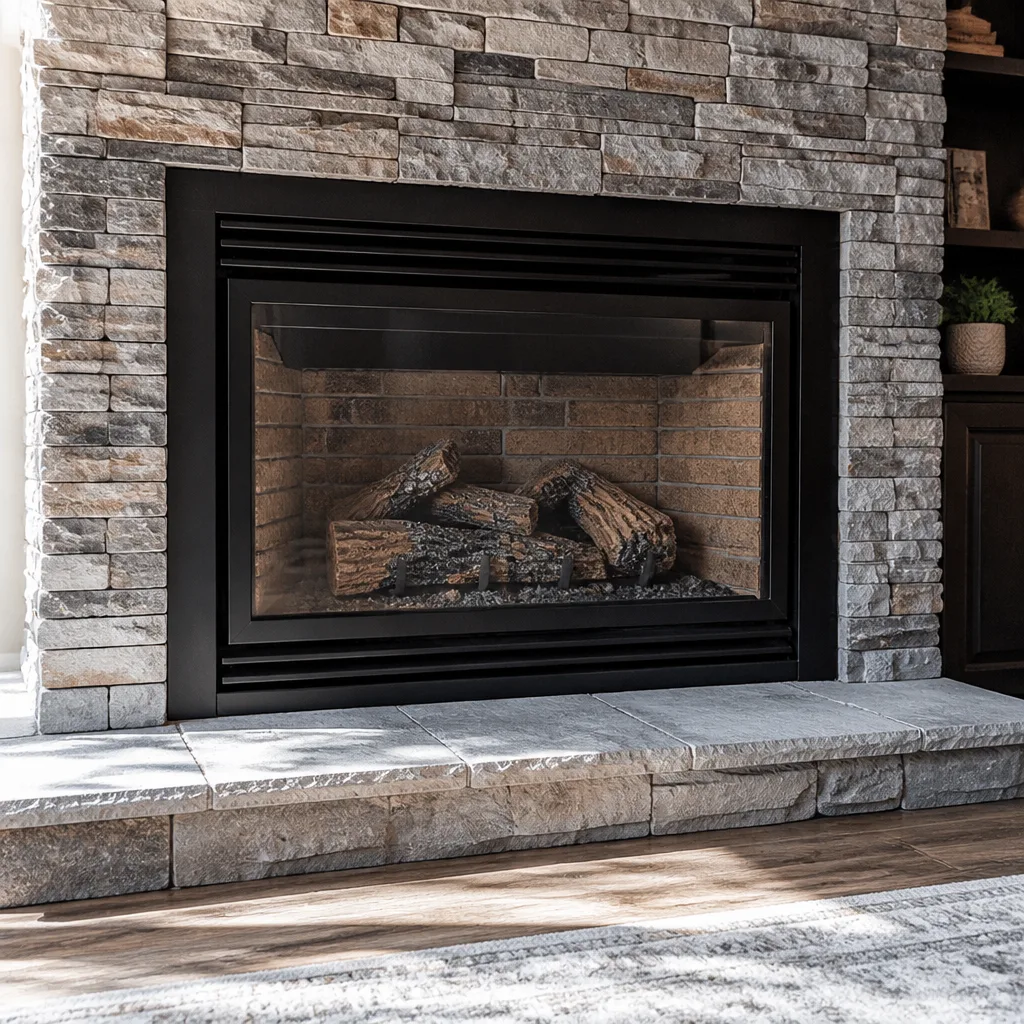 Gas fireplace service
Level 1 sweep and inspection to the NFPA 211 annual standard - flue, crown, cap, and flashing checked and photographed
Chimney sweep logs do not sweep chimneys. They loosen some creosote - which then falls where a brush and vacuum still have to collect it.
Chimney Sweep Maintenance Schedule: What to Do and When
Most homeowners treat a chimney sweep like an oil change: one visit a year, done, forget about it until next fall. That habit misses the bigger picture. In Provo, where winter swings above and below freezing more than a hundred times in a typical season, your chimney’s masonry and liner face a slow stress cycle that a single October sweep doesn’t address. Moisture gets into mortar joints, freezes, expands, and thaws, working small cracks into bigger ones between visits. A sweep in the fall tells you what your flue looked like after summer. It says nothing about what happened to your crown and joints by April. This guide gives you a working calendar for the whole year: when to sweep, when to inspect, which inspection level fits which situation, and how to read the warning signs between professional visits.
Quick Answer
Get your chimney swept and inspected once per year, ideally in late summer or early fall before you start burning, then schedule a post-season sweep and a masonry inspection in spring after the freeze-thaw cycle has done its work. Heavy wood burners, anyone burning green or pine wood, and households running a gas appliance should follow a tighter schedule. Dryer vents should be cleaned every six to twelve months, more often in winter when laundry loads climb.
Styles & brands we work with
- Sweep & inspection
- Caps & crowns
- Flue relining
- Masonry repair
- Gas fireplace service
Table of Contents
- Why One Annual Sweep Isn’t Enough
- Your Month-by-Month Chimney Maintenance Calendar
- Level 1, Level 2, and Level 3 Inspections Explained
- Where Dryer Vent Cleaning Fits the Schedule
- What to Check Between Professional Visits
- How Wood Type and Burn Habits Change Your Schedule
- Common Mistakes to Avoid
- When to Call a Professional
- Frequently Asked Questions
Why One Annual Sweep Isn’t Enough
Provo sits in a mountain valley where the freeze-thaw cycle is relentless. Every time moisture in unprotected brick or mortar freezes, it expands. When it thaws, it leaves a slightly larger gap. Repeat that cycle dozens of times between October and March and you get hairline cracks in the firebox, crumbling mortar at the crown, and spalling on exterior brick. None of that shows up in a pre-season sweep unless you’re specifically looking for it.
The same climate shapes how your flue liner behaves. Stainless steel liners like DuraFlex systems handle temperature swings well, but the joints and connections still need eyes on them. A cracked flue tile or a compromised liner seam that was fine in September can open up over a winter of heating and cooling. The point of a full maintenance schedule is to catch these changes before they turn into a repair that costs real money.
A single sweep still matters. It removes creosote, which is what every chimney fire feeds on. But a schedule that includes inspection and masonry assessment spreads the work across the year and matches each task to the season when that problem actually appears. If you’re searching for a chimney sweep in Provo, start by asking whether the service includes an inspection with the sweep. The ones that matter do.
One more reason the annual-only habit falls short: burn season here is long. Wood-burning fireplaces in Provo get used from October into March in many homes, which means creosote keeps building the whole time. A fall sweep clears what accumulated the year before. It doesn’t account for what a cold January adds.
Your Month-by-Month Chimney Maintenance Calendar
Here’s the schedule we recommend for a typical wood-burning home in the Provo area. Adjust the timing if you have a gas appliance, if you heat primarily with wood, or if your chimney hasn’t been serviced in a while.
- September: Pre-season inspection and sweep. This is the last window before burn season. Get the flue cleaned, check the damper, and confirm the cap and spark screen are intact. A Gelco or Famco cap installed correctly keeps rain, snow, and animals out.
- October through February: Burn season. No professional visit needed unless you notice a problem. Monitor creosote buildup through burn quality, check the firebox for fallen debris, and test the damper seal monthly.
- March: Post-season sweep. Clear the season’s creosote while it’s fresh and dry, before spring humidity sets in.
- April: Interior flue inspection. Look for new cracks in the firebox, damaged flue tiles, or a failing damper. This is when winter damage first shows.
- May: Exterior masonry inspection. This is the freeze-thaw payoff month. Check the crown, mortar joints, and flashing. HeatShield ceramic resurfacing can repair cracked mortar joints in the flue without a full rebuild.
- June through August: Dryer vent cleaning and any repair work discovered in spring. Light use months are the right time for relining or repointing, since there’s no burn season pressure.
You can see the logic: cleaning happens around the burn cycle, inspection and repair happen in the shoulder months. Spring matters as much as fall because that’s when Provo’s climate stress on masonry shows up.
Level 1, Level 2, and Level 3 Inspections Explained
NFPA 211 defines three inspection levels, and knowing which one you need prevents both overspending and missed problems. A sweep and a Level 1 inspection are not the same thing.
Level 1 Inspection
A Level 1 is the routine annual check. The technician inspects all accessible portions of the chimney, the firebox, the damper, and the visible flue. No tools that access hidden areas are needed. If you’ve burned the same appliance the same way for years with no changes, a Level 1 is usually appropriate. Most fall sweeps include one at no extra charge.
Level 2 Inspection
A Level 2 adds a camera inspection of the flue interior and covers the accessible parts of the chimney and connected appliance areas. You need a Level 2 in Provo when any of the following happens:
- You’re buying or selling a home and the inspection needs to be documented.
- You’ve changed fuel type, appliance, or the way the chimney is vented.
- An earthquake, chimney fire, or severe storm may have damaged the structure.
- A flue liner was recently installed and needs verification.
- An insurance review or home inspection flagged the chimney.
Camera inspection matters because you can see the video yourself. If a technician recommends a reline, the footage of a cracked or deteriorated flue is the evidence. Nothing should be recommended based on a verbal description alone.
Level 3 Inspection
A Level 3 is a diagnostic inspection that goes into concealed areas of the chimney, usually by removing part of the structure or masonry. It’s reserved for confirmed or suspected hazards: a chimney fire event, hidden damage behind a wall, or a problem a Level 1 or 2 couldn’t resolve. If a Level 2 camera inspection surfaces something serious, the Level 3 confirms it and tells you exactly what to fix.
Where Dryer Vent Cleaning Fits the Schedule
Dryer vent cleaning belongs on the same annual framework as chimney work, and it should run on its own clock, not piggybacked on a chimney visit. NFPA data lists dryer vent lint as one of the leading causes of residential structure fires in the U.S., and lint accumulates faster in winter for a straightforward reason: heavier loads. Sweaters, blankets, and outerwear get washed more often, and each cycle throws off lint.
Here’s the schedule we suggest for a Provo household:
- Twice a year as a baseline: late spring and late fall. If you do heavy laundry year-round, add a third clean in mid-winter.
- More often for large households: households with four or more people running loads daily should consider quarterly cleaning.
- More often for long vent runs: vents that travel more than ten feet or have multiple elbows trap lint faster and need cleaning on the shorter end of the interval.
Dryer vent cleaning in Provo is often handled as a single service when a technician is already on site for chimney work. Combining the two means one appointment, one professional’s assessment of both fire-risk systems, and one record of the visit for your own file. Homeowners who are on a serious preventive schedule treat their fireplace vent and their dryer vent like a matched pair, since both handle heat and both accumulate material that shouldn’t be ignored.
Signs you’re overdue on the dryer vent: clothes take longer to dry, the outside vent flap doesn’t open fully when the dryer runs, the laundry room feels humid, or the dryer itself feels hot to the touch. Any of those means it’s time.
What to Check Between Professional Visits
The maintenance calendar only covers the professional visits. What you do in between them makes the biggest difference in what the technician finds at the next appointment. Here’s a short list of monthly habits.
Firebox and Damper
Once a month during burn season, open the firebox door and look at the firebrick. Any new cracks, crumbling material, or fallen pieces are worth writing down and photographing. Then test the damper seal: with the damper closed and no fire burning, hold a lit match or a piece of paper near the damper. If smoke drifts up or you feel a steady draft, the seal may be failing, which means heat loss and poor draft control. Olympia Chimney and Copperfield damper components are common replacement parts when a seal does fail.
Efflorescence
Efflorescence is a white, chalky stain on masonry that signals moisture migrating through brick or mortar. In Provo’s climate it’s one of the clearest early warnings of a moisture problem or failing waterproofing. If you spot it on the exterior, note its location and mention it at your next inspection. The problem is fixable, but it needs professional diagnosis to figure out where the moisture is coming from.
Creosote Signals
You can see the first stages of creosote buildup just by looking up the flue with a flashlight. A thin black soot or a dull glaze near the top of the firebox is a mild sign. A shiny, hardened glaze means buildup is significant and it’s time to get it cleaned, not wait for the schedule. Glazed creosote is essentially concentrated fuel sitting inside the flue.
Cap and Screen
From a safe spot on the ground, do a visual check on your chimney cap and spark screen. A missing cap means rain, snow, or animals can enter the flue. Damaged screens let birds nest inside. Famco and Gelco caps are direct-fit replacements for most standard appliance configurations and install quickly when a problem shows up.
How Wood Type and Burn Habits Change Your Schedule
The calendar we laid out assumes a homeowner burning seasoned hardwood and running the fireplace a few nights a week. Change either variable and the schedule shifts.
Wood type matters most. Seasoned hardwood (oak, maple, ash, dried at least six months) burns cleanly and deposits modest creosote. Softwoods like pine and fir burn hot but deposit more creosote because of their resin content. “Green” wood that hasn’t seasoned adequately has the worst profile: it burns cool, smolders, and leaves high creosote deposits. If pine or green wood is your primary fuel, sweep twice per season instead of once.
Burn frequency matters next. A wood stove used as primary heat through a Provo winter produces far more creosote than a decorative fireplace lit on cold evenings. Homes in that category should plan on a mid-season sweep (typically January) in addition to the fall and spring sweeps.
Burn habits close the loop. Small, hot fires produce less creosote than large, smoldering fires. Dampers closed down too early starve the fire of oxygen and produce more deposits. Wet wood hisses and smolders. A homeowner who runs small, hot fires with dry wood will see less buildup than one running a long, damped-down burn every night, and the maintenance calendar should reflect the difference.
A Simple Rules-of-Thumb Summary
- Seasoned hardwood, a few fires a week: annual fall sweep plus spring inspection.
- Seasoned hardwood, daily winter use: fall sweep, mid-season sweep, spring inspection.
- Pine or green wood: spring sweep and fall sweep minimum, plus mid-season if there’s any glaze showing.
- Gas appliance: annual inspection, no sweep unless the appliance has been disturbed or a problem appears.
Common Mistakes to Avoid
- Skipping the spring inspection because “the fall sweep was fine.” Fall tells you about summer. Spring tells you what winter did. In Provo, that’s when freeze-thaw cracks surface.
- Treating a sweep as the same thing as an inspection. A sweep clears creosote. An inspection assesses the firebox, liner, damper, and masonry. You need both, and a good professional reports on both.
- Waiting for the “right time” to reline when the camera clearly shows a problem. If a Level 2 inspection shows a cracked flue, patching it isn’t fixing it. HeatShield resurfacing can repair mortar joint issues, but a fully failed liner usually needs replacement.
- Forgetting the dryer vent entirely. Many homeowners treat dryer vent cleaning as optional. NFPA data disagrees. It belongs on the same annual schedule as chimney work.
- Replacing a chimney cap with a generic hardware-store model. Fit and weather-tightness matter. Gelco and Famco caps size correctly for standard appliance configurations, which prevents wind-driven rain from finding its way inside.
- Burning garbage or treated wood in the fireplace. Paper and cardboard flare up and produce sudden creosote spikes; treated wood gives off compounds that deposit in the flue and aren’t worth the risk.
- Assuming the number of years in the home is the right maintenance history. If you bought a home last year and the chimney looks fine from the living room, that tells you nothing about the firebox, crown, or flue interior. Get a Level 2 inspection once, then start the calendar from there.
When to Call a Professional
Call for a professional inspection when any of these happen: you hear a loud roaring sound from the fireplace during a burn, you smell strong creosote odor in the room even when the fire isn’t burning, you find pieces of firebrick in the firebox, you see new efflorescence on the chimney exterior, you’re within a month of buying or selling the home, or your insurance carrier has flagged the chimney. Also call if it’s been more than a year since a sweep, even if everything looks fine from the outside. Small chimney problems get larger quietly, and the fix is far less work when it’s caught early.
Chimney Sweep Provo offers free estimates in Provo, and we handle chimney sweeping, chimney repair, and dryer vent cleaning as connected services. That means one visit can cover what’s safe to handle now and what can wait until spring. Our technicians have up to 15 years of experience, and we’re licensed and insured. Call (855) 340-2065 for an estimate.
Frequently Asked Questions
Once per year for most Provo households, but that’s the minimum, not a ceiling. Homes heating primarily with wood, burning pine or green wood, or running a fireplace many nights a week should sweep twice per season. If you see a hard, glazed creosote layer inside the flue, get it swept regardless of when the last visit was. Call (855) 340-2065 for an exact quote on your situation – estimates are free.
A sweep clears the flue; a Level 2 adds a camera inspection of the interior. You need a Level 2 when buying or selling a home, after any chimney fire, when fuel type or appliance changes, or when your insurer or a home inspection has flagged the chimney. Otherwise, the annual sweep with a Level 1 is usually sufficient. If a technician recommends a Level 2, ask for the reasoning before you agree.
Creosote keeps building whether or not you notice it, and the next burn season works with that much more fuel inside the flue. In Provo’s climate, unprotected masonry keeps taking on freeze-thaw stress without the inspection that would catch cracks early. Skipping a year won’t cause a problem in most homes, but skipping two or three raises the odds you find a repair instead of a cleaning. The cost of a spring inspection is small next to relining or repointing work it can prevent.
Late August through September, before you start burning for the season. You get a clean flue going into winter and time to schedule any repair work the inspection turns up. Spring, typically March or April, is the second best window for cleaning up after the season and catching winter damage before it grows.
Yes, but with a tighter individual interval. Chimney sweeping is annual for most homes. Dryer vent cleaning is every six to twelve months, more often in winter when laundry volume climbs and more often for long vent runs. Scheduling both on the same visit works well when you’re coordinating the annual chimney appointment. The technicians handle this under one roof, which means no second contractor for the dryer side.
A sweep clears creosote and gets a baseline look at the flue. A repair fixes what the sweep or inspection surfaces: a cracked flue tile, a failing damper, damaged mortar joints, a damaged crown, or a damaged liner. We work with HeatShield and DuraFlex for ceramic resurfacing and stainless relining respectively, and both are installed by technicians trained to those systems rather than patched with generic materials. If a repair is recommended, ask to see the camera footage first.
The Bottom Line
The schedule that keeps a Provo chimney safe isn’t a single autumn sweep, it’s a full year of coordinated work: pre-season sweep in September, post-season sweep in March, inspection in April, and masonry review in May, with dryer vent cleaning layered in on its own clock and monthly eyeball checks in between. Adjust the calendar up for pine, green wood, or heavy burning, and down only if your chimney has been recently assessed and verified. Every visit should include inspection, not just cleaning, and any repair recommendation should come with camera evidence you can see yourself. If you’re not sure where you are in the cycle, start with one inspection and build from there. The upfront few minutes of a professional’s time saves the bigger work later, and gives you a working schedule that actually fits how you heat your home.
We answer 24/7. Fast dispatch from 7am to 7pm, Sunday through Friday.
Written by the team at Chimney Sweep Provo.
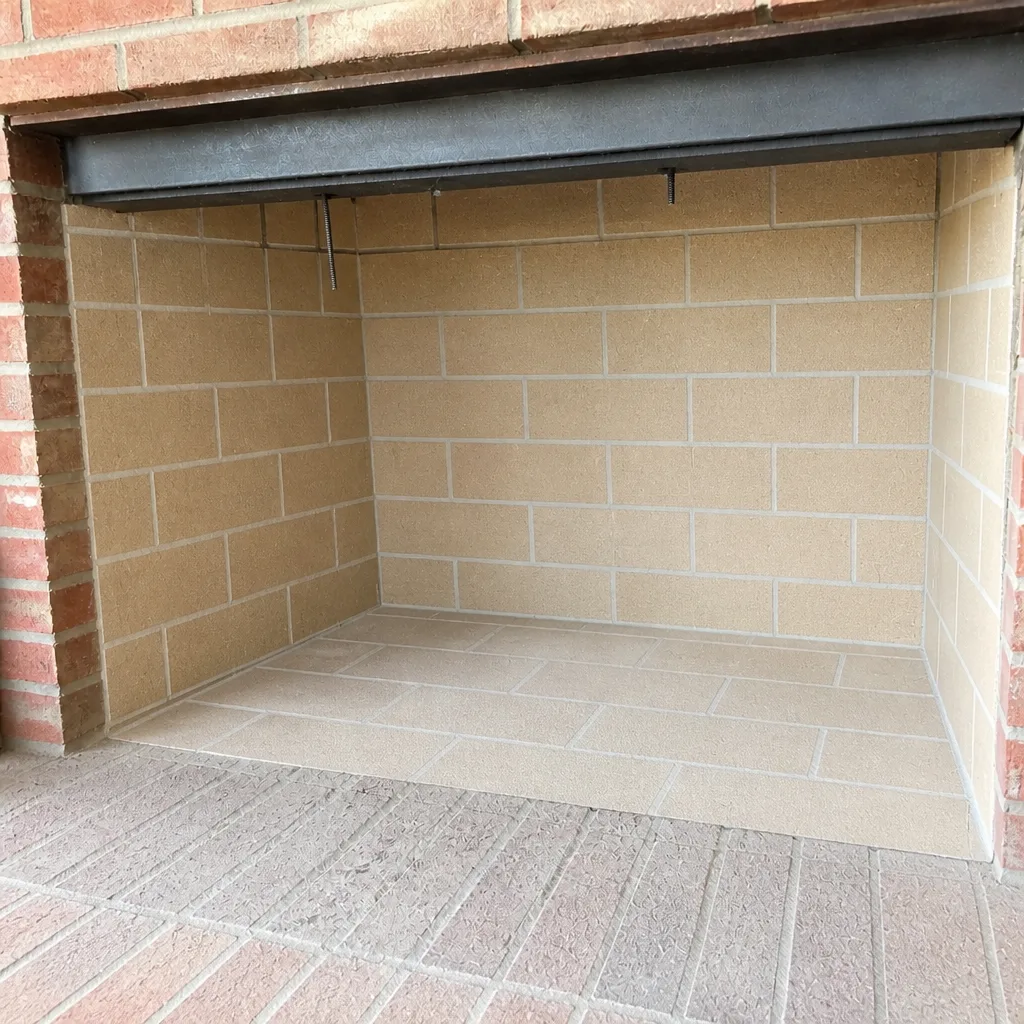
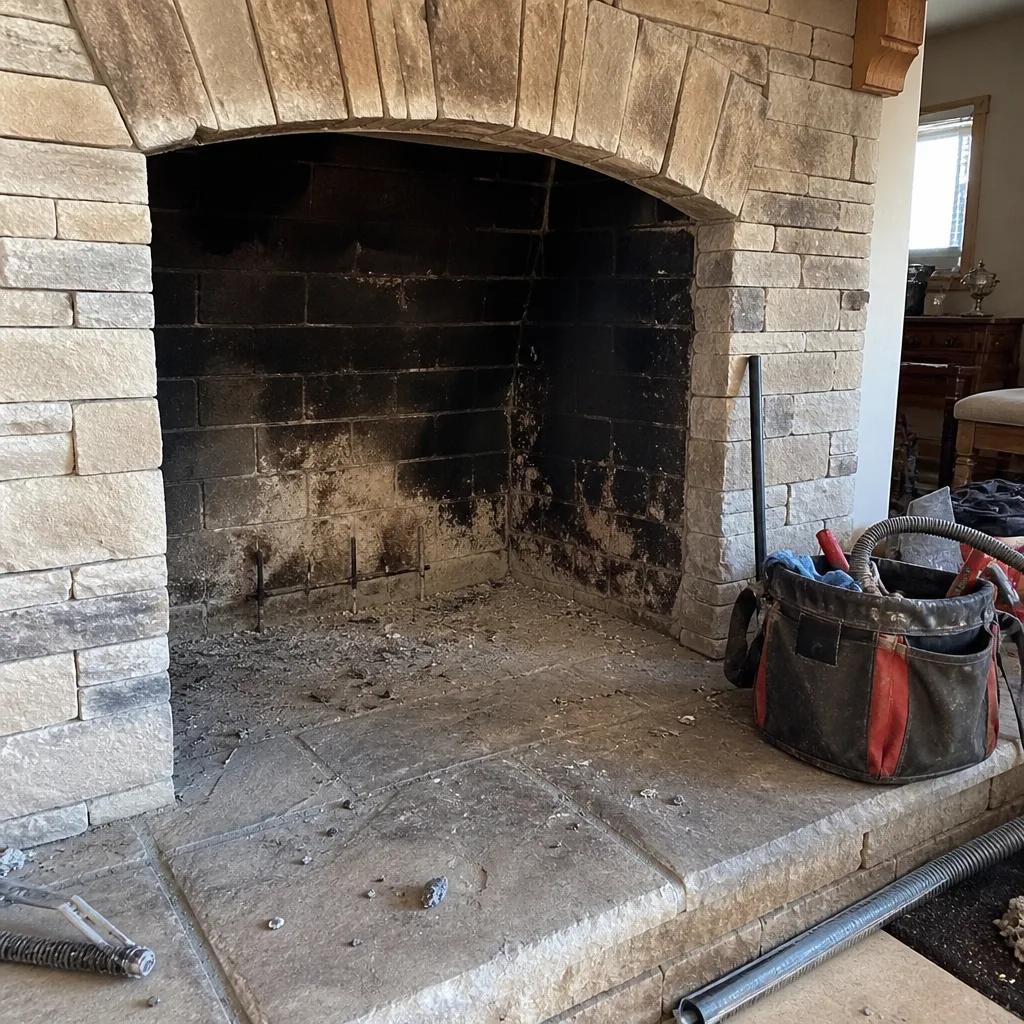
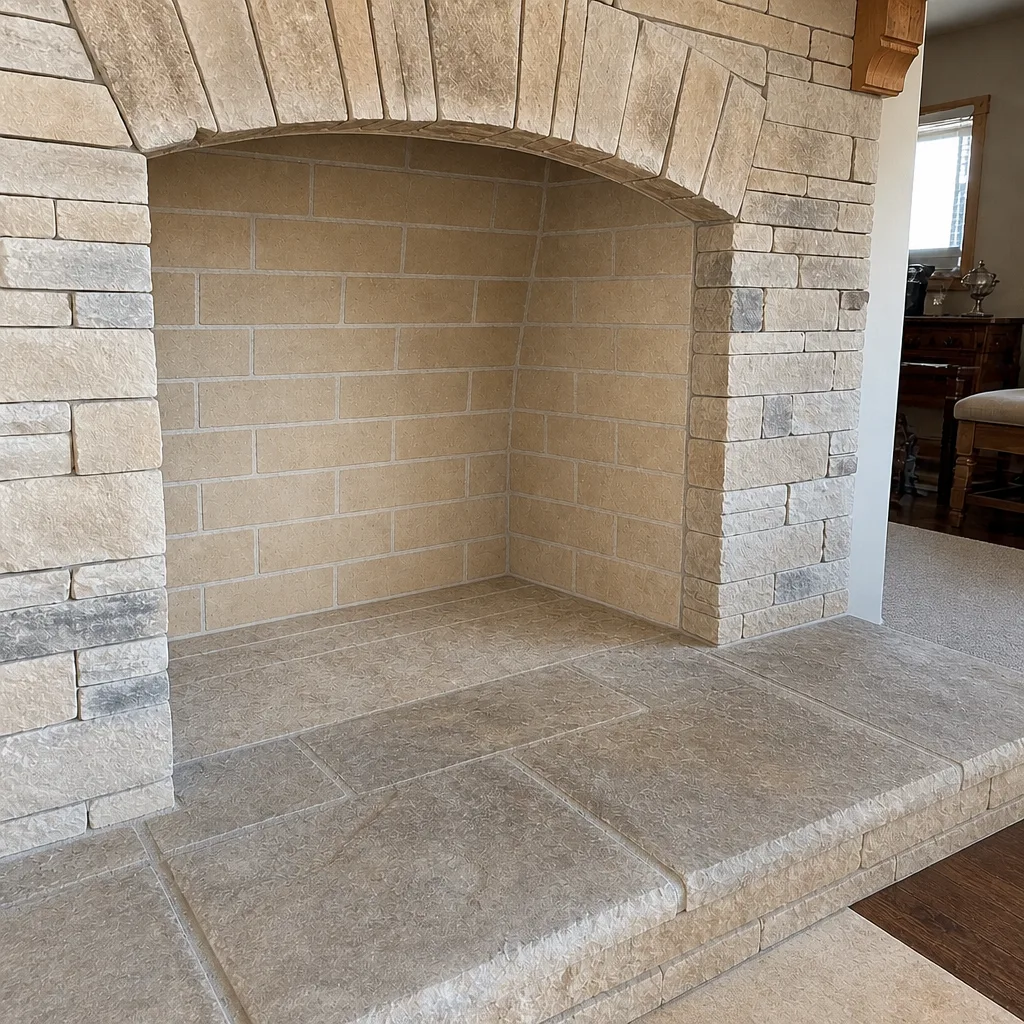
See the difference
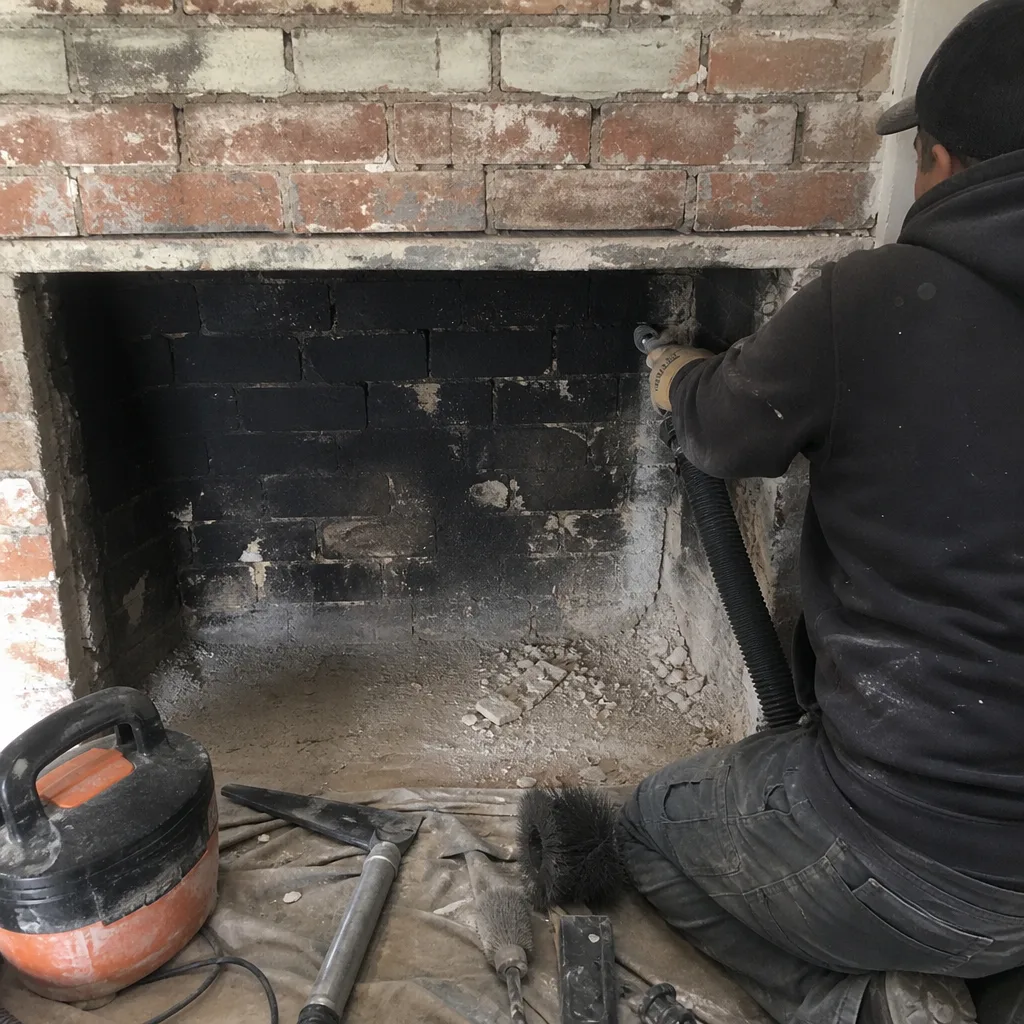 Before
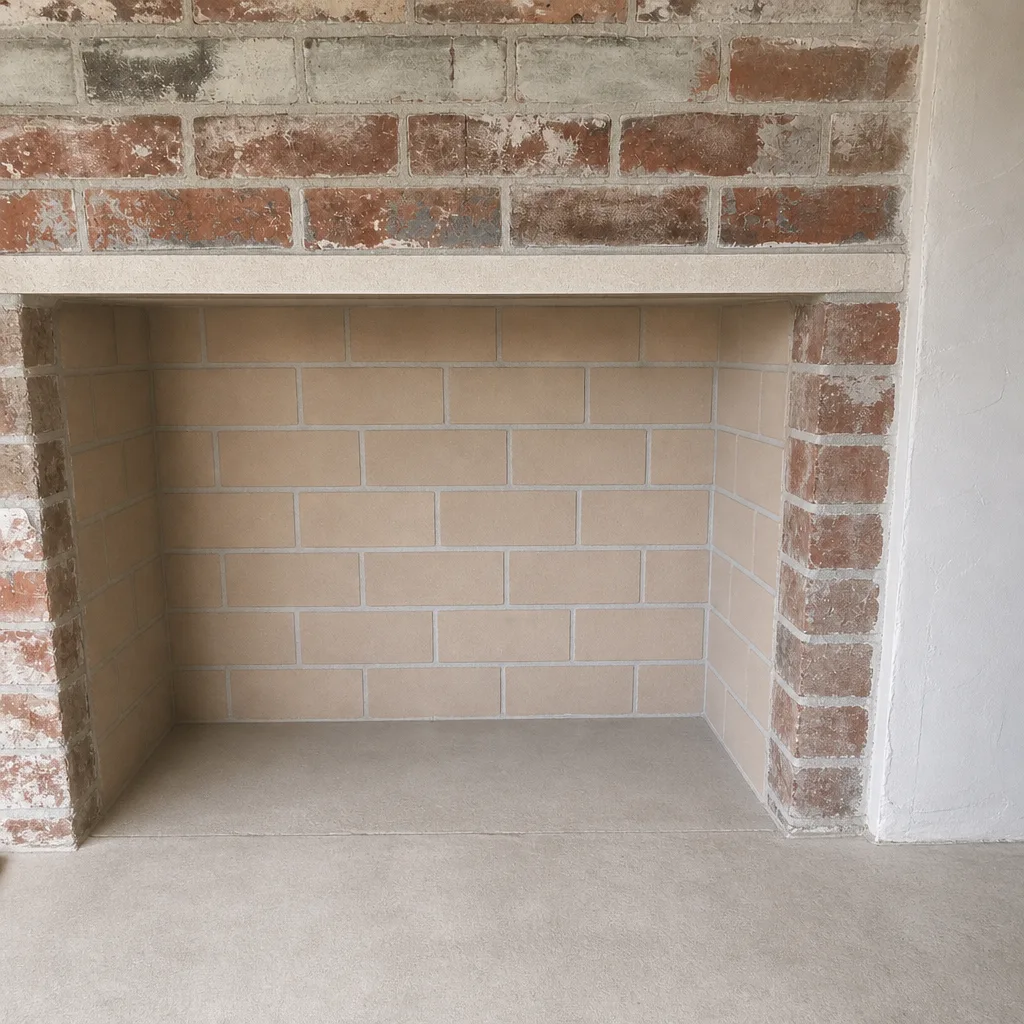 After
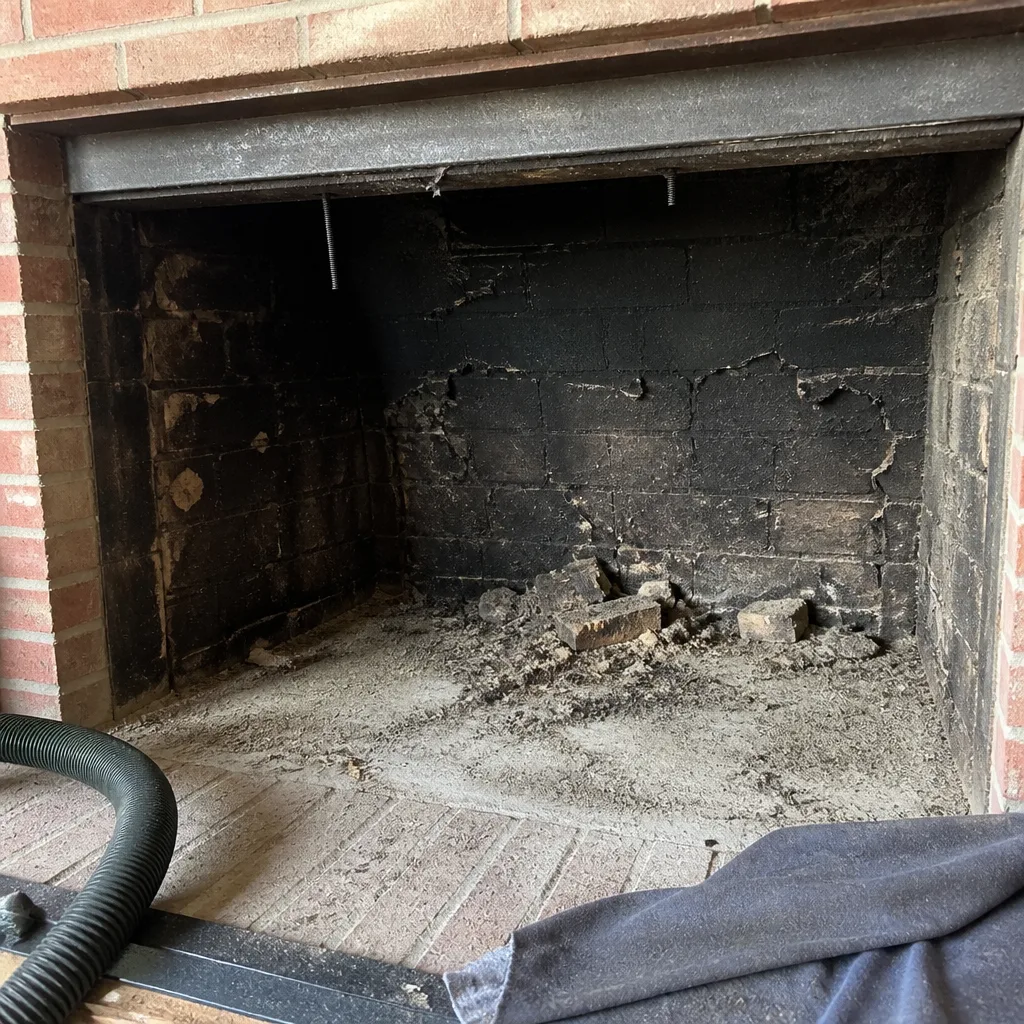 Before
 After
 Before
 After